
 Business License

Intelligent Analyzer Sample Contamination Fault: Cleaning & Prevention
Published on 2026-09-28
Introduction
Sample cross-contamination on intelligent analyzers distorts test data and leads to wrong quality judgment. This fault is common in multi-sample batch testing. This article explains contamination causes, cleaning and prevention strategies for B2B lab buyers.
H2: Industry Background & Core Challenges
ISA 2025 lab analytical instrument report states that 55% of abnormal analysis data is caused by sample cross contamination, not instrument hardware failure. Residual sample in flow cell, sampling tube and sensor surface mixes with next batch sample.
Common pain points for B2B buyers:
• Inaccurate test results cause product quality misjudgment
• Extra repeated testing increases labor and reagent cost
• Difficult to confirm whether deviation comes from sample cross-contamination
H2: How to Fix Intelligent Analyzer Sample Contamination
Root causes
1. Residual sample remains inside sampling pipeline and flow cell.
2. Insufficient flushing between different sample batches.
3. Adsorption of organic or heavy metal substances on sensor surface.
4. Improper cleaning solvent selected.
Practical solutions
• Run automatic flushing sequence after every sample batch.
• Select suitable cleaning solvent matching sample property.
• Regular deep cleaning for flow cell and sampling pipeline.
• Set blank control test after high-concentration sample measurement.
H2: Step-by-step Operation Guide: How to Remove Sample Residue and Avoid Cross Contamination
(Long-tail keyword: How to clean lab intelligent analyzer to prevent sample cross contamination)
1. Finish sample testing, discharge remaining sample liquid completely.
2. Use matched cleaning solvent to flush sampling pipeline and flow cell.
3. Run blank sample test to verify no residual interference signal.
4. If heavy adsorption occurs, perform manual deep disassembly cleaning.
5. Record cleaning log and set regular maintenance schedule.
H2: Real Customer Case
A beverage quality control lab in Malaysia got unstable analysis readings. High-sugar sample residue stuck in flow cell. Adding dedicated alkaline flushing procedure after high sugar samples, cross-contamination error reduced 80%, repeat test volume cut significantly.
FAQ
Q1: Can pure water clean all sample residues?
A: Pure water works for simple water-soluble samples. Organic or high-viscosity samples need dedicated solvent.
Q2: How frequent should deep cleaning of flow cell be?
A: Depends on sample matrix; heavy adsorption samples need deep cleaning weekly.
Q3: What blank control used for cross-contamination verification?
A: Blank solvent same as sample dilution liquid is recommended for blank test.
Conclusion
Standard flushing workflow effectively controls cross-contamination of analytical analyzers. Contact Schleina (Guangzhou) Trading Co., Ltd. to get analyzer maintenance protocol and reagent matching suggestion.
Recently Posted
-
Beauty Equipment Retirement & Safe Disposal Guide: Judging Service Life and Environment-Friendly Scrap
September 30, 2026All beauty equipment has a limited service life. After long years of operation, core components will age gradually. When maintenan Read More
 -
How to Build a Complete Beauty Equipment Maintenance Log & Asset Management
September 30, 2026Many salons purchase multiple aesthetic devices but lack systematic asset management and maintenance recording. Without complete m Read More
 -
Operator Standard Operation Specification (SOP) to Reduce Man-Made Equipment Failures
September 29, 2026Most beauty equipment failures in daily salon operation are not caused by equipment quality problems or natural aging, but by non- Read More
 -
Seasonal Maintenance Guide: Summer Heat Prevention & Winter Moisture-Proof for Beauty Devices
September 29, 2026Beauty salon equipment is greatly affected by seasonal temperature and humidity changes. High temperature in summer easily causes Read More

Contact Us
Recommended Products
-
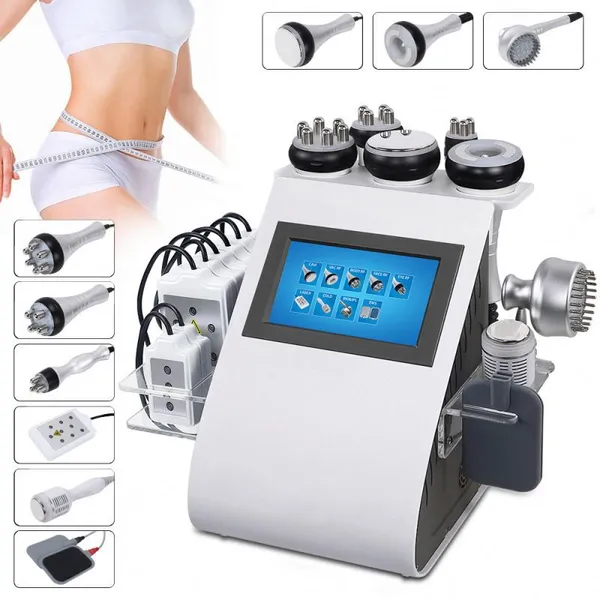
 Customizable Cavitation RF Lipolaser Radio Frequency Slimming Machine With OEM OptionsUS$ 200 - 230MOQ: 1 Unit
 -
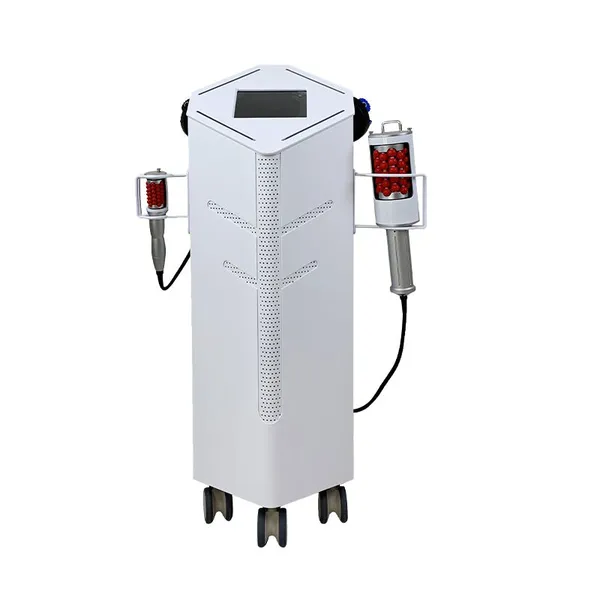
Endosphere Roller Massage Machine With 8 Massage Heads for Body Slimming TherapyUS$ 1200 - 1350MOQ: 1 Unit
-
Home Use Anti-Aging and Fat Reduction Device With Cryolipolysis Technology, CE Approved 220VUS$ 1300 - 1500MOQ: 1 Unit
-
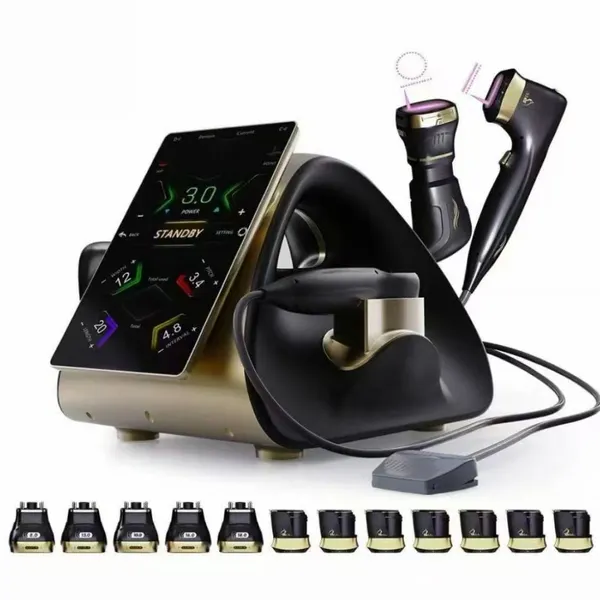
Salon-Grade 22D Max HIFU Device With FDA Cleared Technology for Non-Invasive Ultherapy & Liposonix EffectsUS$ 700 - 800MOQ: 1 Unit
-
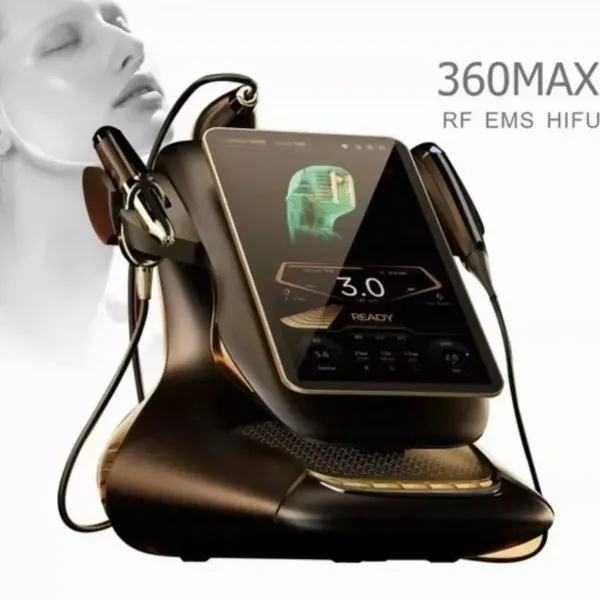
Multi-Technology Facial Device: HIFU, RF, and EMS for Comprehensive Anti-Aging TreatmentsUS$ 1150 - 1250MOQ: 1 Unit
-
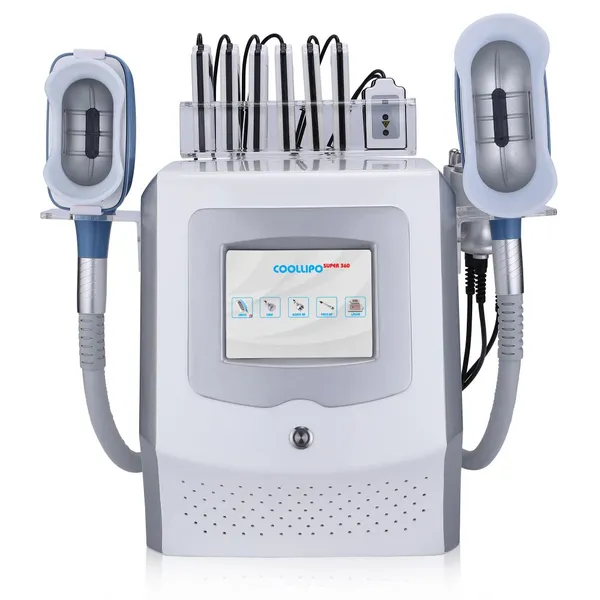
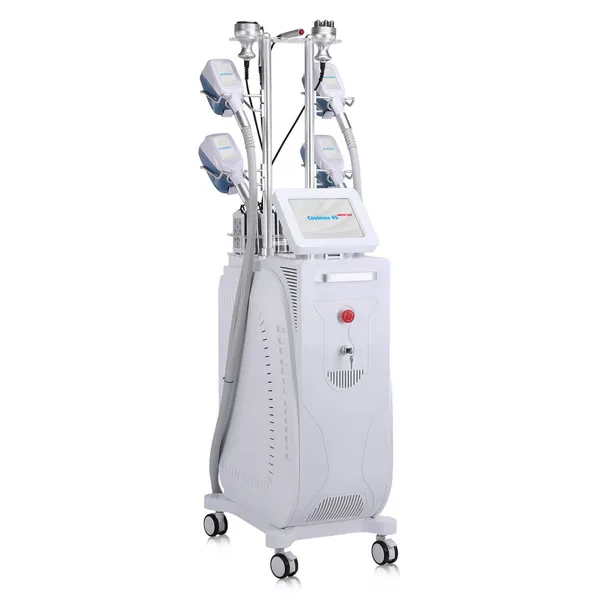
CE/FDA/ROHS Compliant Cryolipolysis Machine With 40K Cavitation & RF for Salon & Spa TreatmentsUS$ 1500 - 1700MOQ: 1 Set
-
CE Marked Cryolipolysis Fat Freezing Apparatus 220V High Cooling Power for Studio Stubborn Fat RemovalUS$ 1500 - 1700MOQ: 1 Unit
-
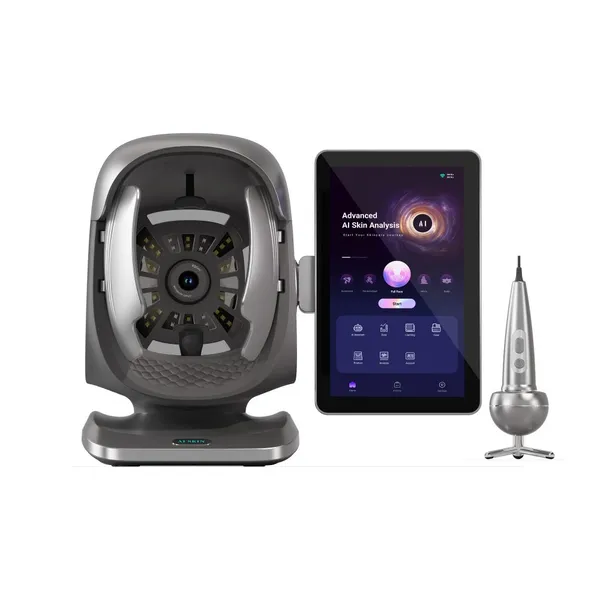
Latest Ai 3D Facial Scanner Skin Analysis Hair & Scalp Analyzer Salon Equipment Factory PriceUS$ 850 - 950MOQ: 1 Unit
-
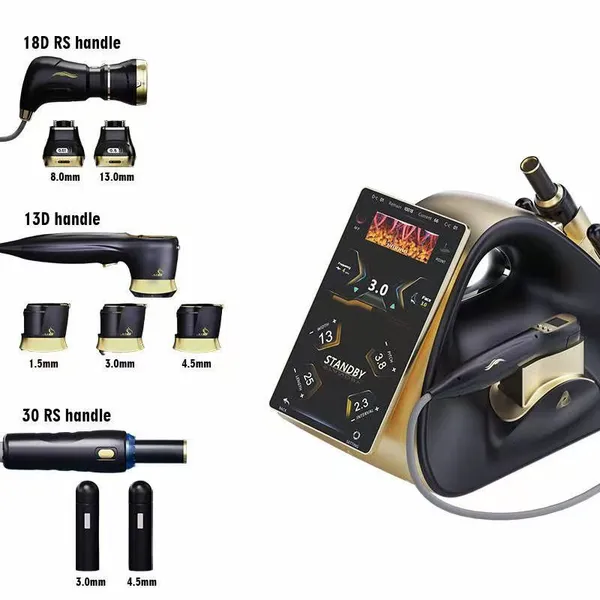
Latest 22D Ultramax Hifu Machine With Three Handles for Vaginal Rejuvenation Facelift Fat RemovalUS$ 1200 - 1250MOQ: 1 Unit
-
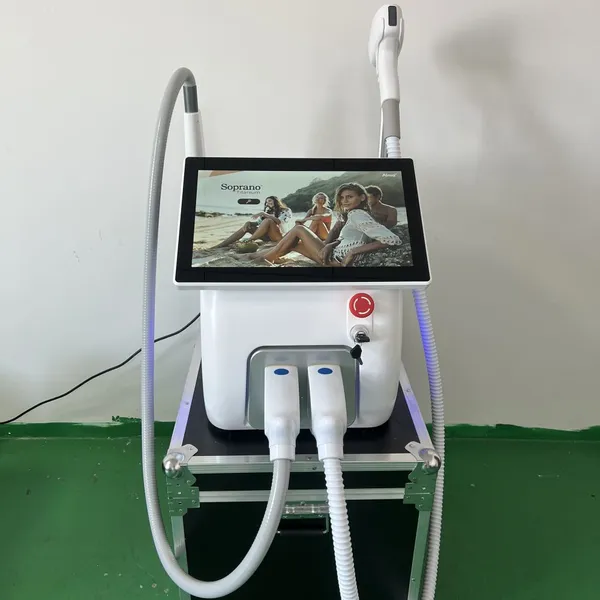
New 2 in 1 ND YAG Laser Three Wavelengths 808nm 755nm 1064nm Diode Laser Permanent Painfree Hair Removal Tattoo Removal MachineUS$ 900 - 950MOQ: 1 Unit
-
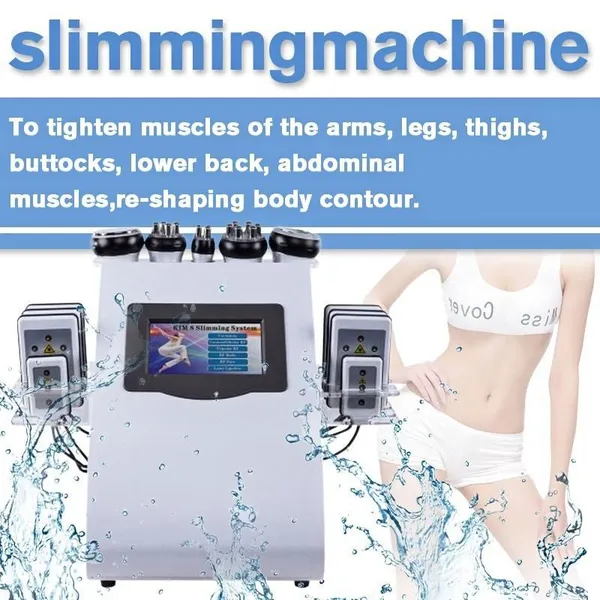
6-in-1 Body Shaping Machine With Technical Support and One-Year Warranty for Spa BusinessUS$ 200 - 250MOQ: 1 Unit
-
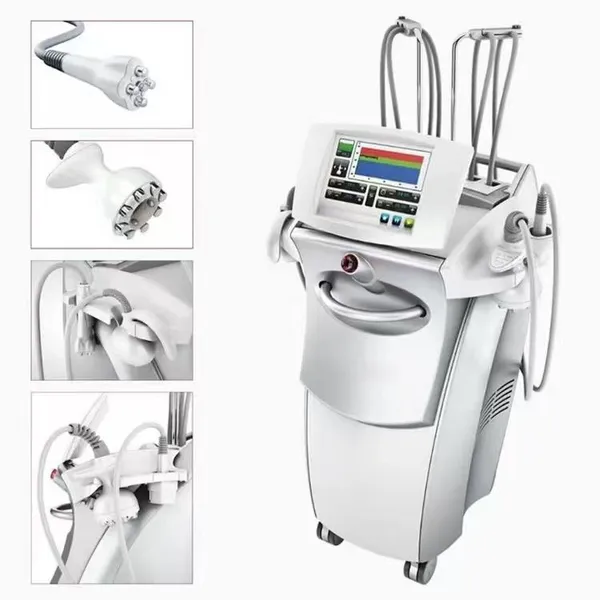
Venus Legacy Skin Tightening Machine Featuring 6 Applicator Heads for Full BodyUS$ 1600 - 1650MOQ: 1 Unit
-
Onda CoolWave Therapy for Targeted Adipose Tissue ReductionUS$ 1800 - 2000MOQ: 1 Unit
-
Skin Scanner With Scalp Analyzer for Dermatology Clinics and TrainingUS$ 800 - 900MOQ: 1 Unit
-
Portable TENS EMS Russian Wave Machine for Home Use With Rechargeable BatteryUS$ 85 - 90MOQ: 1 Unit
-
Industrial-Grade Portable Fractional CO2 Laser With Adjustable Pulse Energy 100-500mJUS$ 1500 - 1800MOQ: 1 Unit
-
6-in-1 Multi-Functional Slimming Equipment for Aesthetic Clinics: RF & Cavitation & UltrasoundUS$ 200 - 250MOQ: 1 Unit
-
Portable Infrared Physiotherapy Unit for Home Use, 50W OutputUS$ 400 - 460MOQ: 1 Unit
-
Industrial Grade Pneumatic Shockwave Machine for Physical Therapy Pain ReliefUS$ 750 - 830MOQ: 1 Unit
-
Endolaser Machine for Lipolysis Featuring 980nm and 1470nm WavelengthsUS$ 1700 - 1800MOQ: 1 Unit