
 Business License

Portable Measuring Instrument Battery Failure: Low Power & Short Runtime
Published on 2026-09-28
Introduction
Battery failure of portable measuring instruments causes sudden power-off during field measurement, interrupting data collection. Short runtime, charging failure and fast self-discharge are typical battery faults. This article shares troubleshooting and battery maintenance tips.
H2: Industry Background & Core Challenges
ASTM 2025 portable electronic device reliability report shows lithium battery capacity decays after repeated charge cycles. High or low ambient temperature accelerates aging; 63% portable instrument field shutdown incidents relate to battery degradation.
Common pain points for B2B buyers:
• Sudden power cut during field measurement, losing test data
• Battery runtime drops quickly after several months of use
• Unsure if fault comes from battery or instrument charging circuit
H2: How to Solve Portable Instrument Battery Failure
Root causes
1. Lithium battery aging after many charge-discharge cycles.
2. Extreme temperature during charging or storage.
3. Deep discharge damages internal battery cells.
4. Dirty charging contacts cause poor charging connection.
Practical solutions
• Avoid fully draining battery power before recharge.
• Charge and store battery within 10℃ ~30℃ environment.
• Clean metal charging contacts regularly.
• Replace battery when capacity falls below 80% of original rating.
H2: Step-by-step Operation Guide: How to Diagnose Portable Instrument Battery & Charging Fault
(Long-tail keyword: How to diagnose short runtime and charging failure of portable measuring instrument battery)
1. Fully charge battery and record continuous working duration.
2. Inspect charging metal contacts for dirt or oxidation.
3. Check environment temperature during charging.
4. Swap with spare battery to distinguish battery fault or instrument charging circuit fault.
5. If capacity drops heavily, replace with compatible battery pack.
H2: Real Customer Case
A field inspection team in Thailand used portable thickness gauges. Battery runtime decreased sharply in outdoor high-temperature environment. By changing storage rule: store spare batteries at room temperature and avoid deep discharge, battery service life extended by 2.3 times, battery procurement frequency reduced 65%.
FAQ
Q1: Can portable instrument lithium battery be stored with zero charge?
A: No. Long-term storage at zero charge will cause irreversible cell damage. Keep 40%~60% charge for storage.
Q2: What temperature damages lithium battery most?
A: High temperature above 35℃ accelerates capacity attenuation much faster than low temperature.
Q3: Can non-original batteries be used for portable measuring instruments?
A: Must select certified compatible batteries. Low-quality batteries bring safety risk and unstable power output.
Conclusion
Proper battery maintenance extends portable instrument working time. Contact Schleina (Guangzhou) Trading Co., Ltd. for compatible instrument battery selection and spare supply.
Recently Posted
-
Beauty Equipment Retirement & Safe Disposal Guide: Judging Service Life and Environment-Friendly Scrap
September 30, 2026All beauty equipment has a limited service life. After long years of operation, core components will age gradually. When maintenan Read More
 -
How to Build a Complete Beauty Equipment Maintenance Log & Asset Management
September 30, 2026Many salons purchase multiple aesthetic devices but lack systematic asset management and maintenance recording. Without complete m Read More
 -
Beauty Equipment Power Supply & Voltage Stabilization Management for Salon Safety
September 30, 2026Many high-precision aesthetic beauty machines contain sensitive electronic boards, energy modules and pump systems. Voltage fluctu Read More
 -
Operator Standard Operation Specification (SOP) to Reduce Man-Made Equipment Failures
September 29, 2026Most beauty equipment failures in daily salon operation are not caused by equipment quality problems or natural aging, but by non- Read More

Contact Us
Recommended Products
-
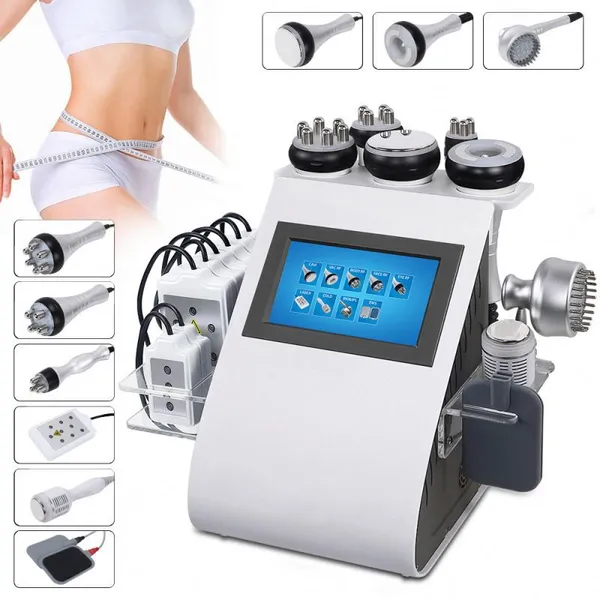
 Customizable Cavitation RF Lipolaser Radio Frequency Slimming Machine With OEM OptionsUS$ 200 - 230MOQ: 1 Unit
 -
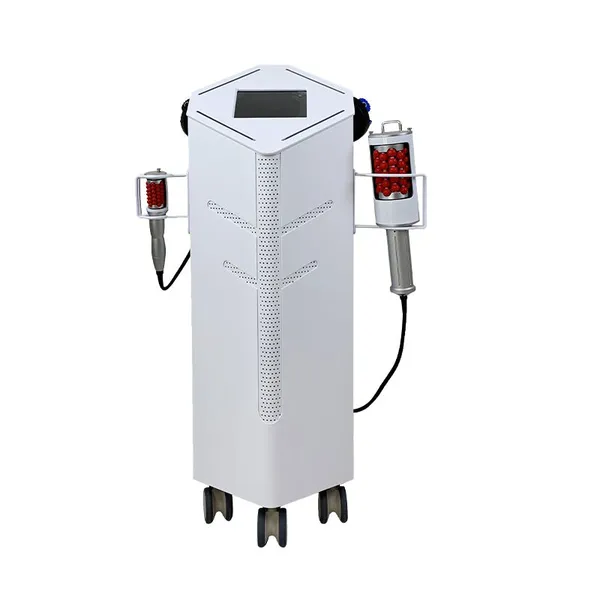
Endosphere Roller Massage Machine With 8 Massage Heads for Body Slimming TherapyUS$ 1200 - 1350MOQ: 1 Unit
-
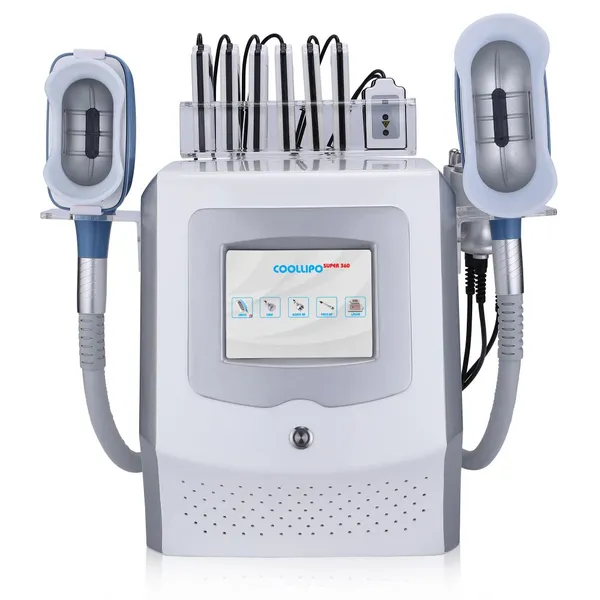
Home Use Anti-Aging and Fat Reduction Device With Cryolipolysis Technology, CE Approved 220VUS$ 1300 - 1500MOQ: 1 Unit
-
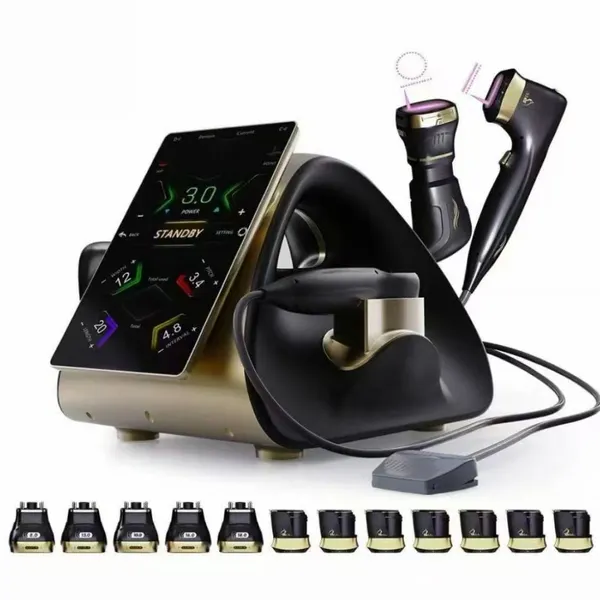
Salon-Grade 22D Max HIFU Device With FDA Cleared Technology for Non-Invasive Ultherapy & Liposonix EffectsUS$ 700 - 800MOQ: 1 Unit
-
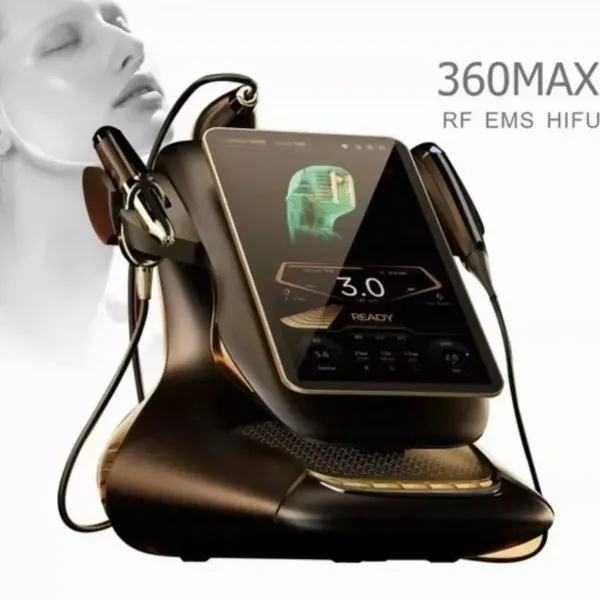
Multi-Technology Facial Device: HIFU, RF, and EMS for Comprehensive Anti-Aging TreatmentsUS$ 1150 - 1250MOQ: 1 Unit
-
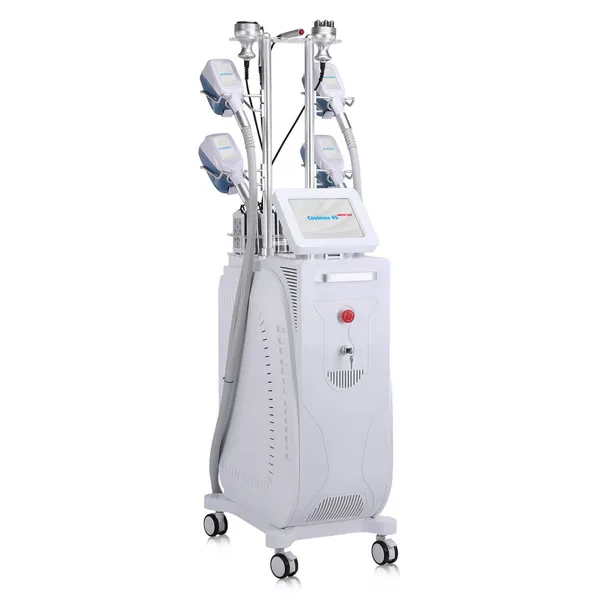
CE/FDA/ROHS Compliant Cryolipolysis Machine With 40K Cavitation & RF for Salon & Spa TreatmentsUS$ 1500 - 1700MOQ: 1 Set
-
CE Marked Cryolipolysis Fat Freezing Apparatus 220V High Cooling Power for Studio Stubborn Fat RemovalUS$ 1500 - 1700MOQ: 1 Unit
-
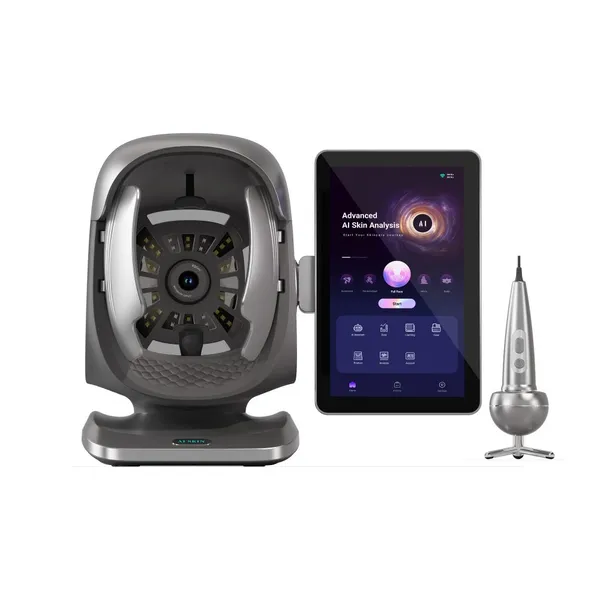
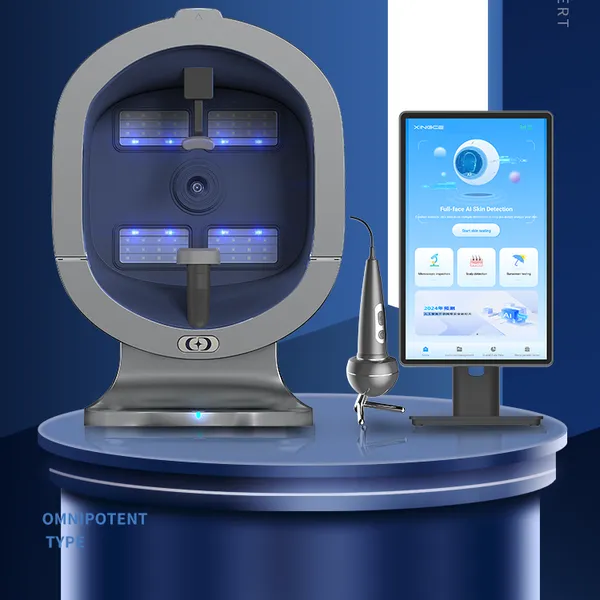
Latest Ai 3D Facial Scanner Skin Analysis Hair & Scalp Analyzer Salon Equipment Factory PriceUS$ 850 - 950MOQ: 1 Unit
-
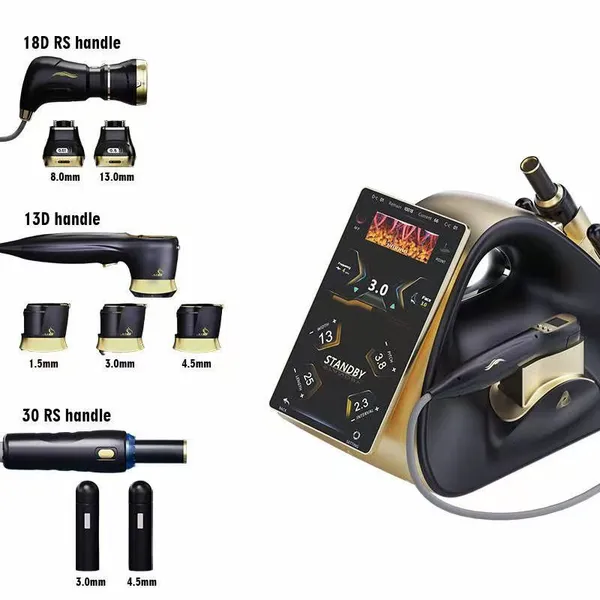
Latest 22D Ultramax Hifu Machine With Three Handles for Vaginal Rejuvenation Facelift Fat RemovalUS$ 1200 - 1250MOQ: 1 Unit
-
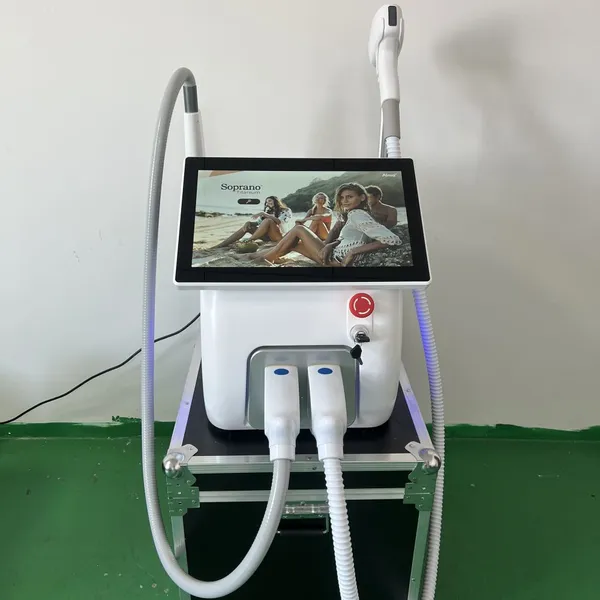
New 2 in 1 ND YAG Laser Three Wavelengths 808nm 755nm 1064nm Diode Laser Permanent Painfree Hair Removal Tattoo Removal MachineUS$ 900 - 950MOQ: 1 Unit
-
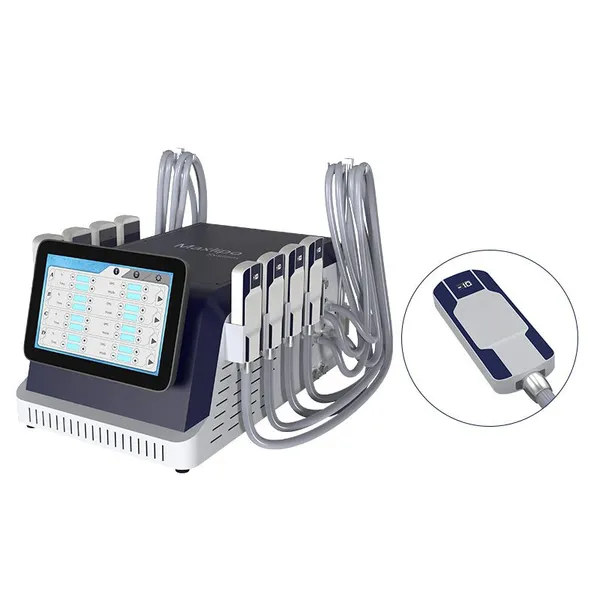
6-in-1 Body Shaping Machine With Technical Support and One-Year Warranty for Spa BusinessUS$ 200 - 250MOQ: 1 Unit
-
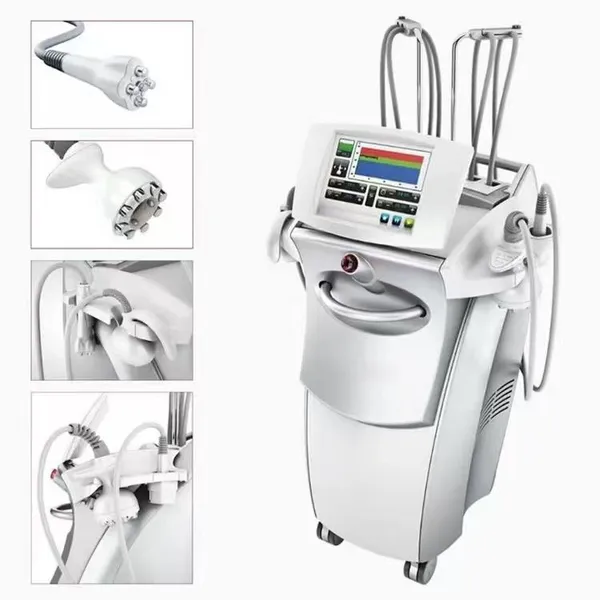
Venus Legacy Skin Tightening Machine Featuring 6 Applicator Heads for Full BodyUS$ 1600 - 1650MOQ: 1 Unit
-
Onda CoolWave Therapy for Targeted Adipose Tissue ReductionUS$ 1800 - 2000MOQ: 1 Unit
-
Skin Scanner With Scalp Analyzer for Dermatology Clinics and TrainingUS$ 800 - 900MOQ: 1 Unit
-
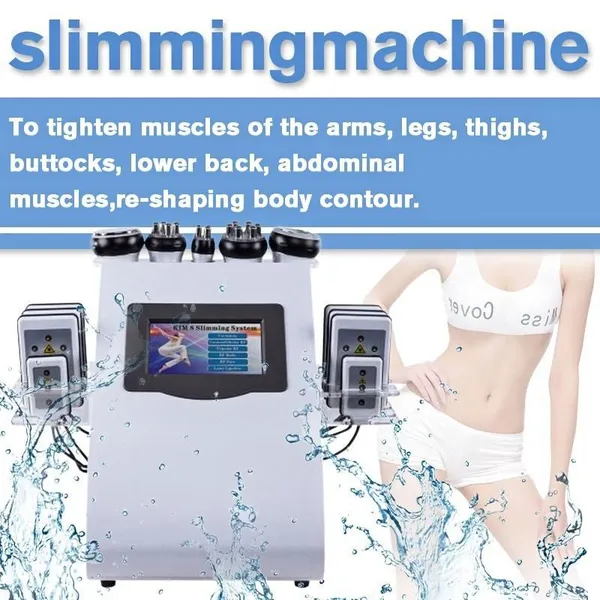
Portable TENS EMS Russian Wave Machine for Home Use With Rechargeable BatteryUS$ 85 - 90MOQ: 1 Unit
-
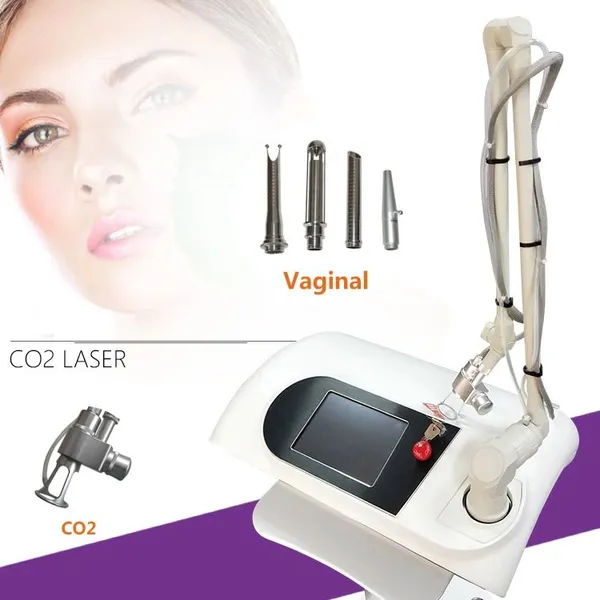
Industrial-Grade Portable Fractional CO2 Laser With Adjustable Pulse Energy 100-500mJUS$ 1500 - 1800MOQ: 1 Unit
-
6-in-1 Multi-Functional Slimming Equipment for Aesthetic Clinics: RF & Cavitation & UltrasoundUS$ 200 - 250MOQ: 1 Unit
-
Portable Infrared Physiotherapy Unit for Home Use, 50W OutputUS$ 400 - 460MOQ: 1 Unit
-
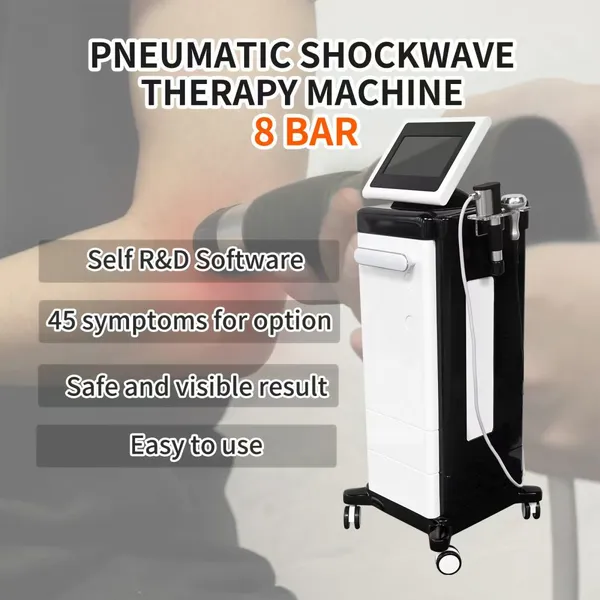
Industrial Grade Pneumatic Shockwave Machine for Physical Therapy Pain ReliefUS$ 750 - 830MOQ: 1 Unit
-
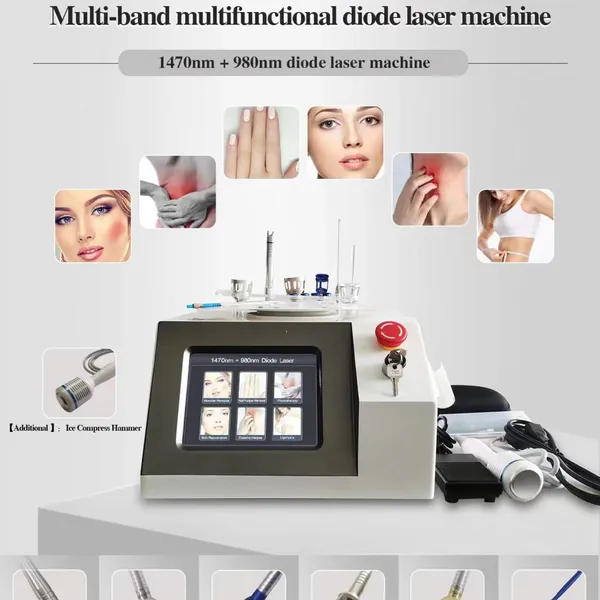
Endolaser Machine for Lipolysis Featuring 980nm and 1470nm WavelengthsUS$ 1700 - 1800MOQ: 1 Unit