
 Business License

Seasonal Maintenance Guide: Summer Heat Prevention & Winter Moisture-Proof for Beauty Devices
Beauty salon equipment is greatly affected by seasonal temperature and humidity changes. High temperature in summer easily causes equipment overheating, fan overload and circuit thermal aging; low temperature and high humidity in winter lead to slow system startup, condensed water inside the machine and circuit oxidation. Most salons adopt unified maintenance standards throughout the year, ignoring seasonal environmental differences, resulting in frequent seasonal equipment faults. This guide provides targeted summer and winter seasonal maintenance schemes for beauty equipment, adapting to different climatic environments to ensure stable operation all year round.
Industry Background & Challenges
The CIDESCO 2025 Aesthetic Device Maintenance Whitepaper records that 42% of seasonal beauty equipment faults are related to inappropriate seasonal maintenance. Summer high temperature and heat accumulation cause overheating shutdown and energy output instability; winter cold and moisture lead to pipeline water condensation, touch screen slow response and internal component mildew. Seasonal climate changes bring obvious operational challenges for salon equipment maintenance, especially for stores in extreme temperature and humidity regions.
Targeted Seasonal Maintenance Core Solutions
Different seasonal maintenance strategies can precisely solve seasonal equipment faults:
• Summer heat prevention: Reduce equipment heat accumulation, avoid overheating protection and thermal aging of circuits
• Winter moisture-proof and cold-proof: Eliminate condensed water, prevent component oxidation and slow startup failure
• Adapt to regional climate differences, realize all-weather stable operation of equipment
• Reduce seasonal concentrated faults and stabilize salon daily business output
2.Further extend the service life of precision aesthetic equipment
Summer & Winter Seasonal Maintenance Step-by-Step Guide
Long-tail keyword: How to maintain salon beauty machines in summer high temperature and winter humid cold weather
Summer High-Temperature Maintenance Steps
1. Ensure the equipment working area is well ventilated, avoid placing the machine in direct sunlight or closed high-temperature corners.
2. Increase the frequency of ventilation port and fan dust cleaning, implement deep dust removal every week to ensure unobstructed heat dissipation.
3. Avoid continuous high-load operation for a long time; pause the machine for 5-10 minutes after 2 hours of continuous work to dissipate heat.
4. Check the equipment temperature and fan running status in real time during peak business hours, and stop using it immediately if overheating alarm occurs.
5. Regularly check the power circuit to avoid line aging and burnout caused by high-temperature heat accumulation.
Winter Low-Temperature & High-Humidity Maintenance Steps
1. Preheat the equipment for 3-5 minutes after startup every day, and start formal treatment after the system and components run stably.
2. Strengthen daily moisture-proof work, wipe the condensed water on the machine surface in time, and keep the equipment environment dry.
3. Drain the residual water of water circulation equipment in time after daily work to avoid pipeline icing and mildew caused by low temperature.
4. Check the sealing performance of machine covers and interfaces to prevent cold humid air from entering the interior and causing component oxidation.
5. Reduce the use of wet cleaning methods, and use dry dust removal and wiping as the main daily maintenance methods in winter.
Real Client Case
A northern beauty salon in China faced frequent equipment slow startup and pipeline condensation faults in winter, and overheating shutdown in summer. After adopting Schleina’s seasonal differentiated maintenance scheme, seasonal equipment faults were reduced by 73%, and the equipment maintained stable operation throughout the year.
FAQ
Q1: Why do beauty machines need preheating in winter?A: Low temperature will cause slow response of electronic components and unstable energy output. Preheating can stabilize system operation and avoid treatment effect deviation.
Q2: How to avoid equipment overheating in summer peak business hours?
A: Ensure ventilation and heat dissipation, clean dust regularly, and avoid long-term uninterrupted high-load operation to prevent heat accumulation.
Q3: Do tropical and frigid zone stores need adjusted seasonal maintenance?
A: Yes. Tropical areas focus on long-term heat prevention and moisture-proof; frigid areas strengthen winter preheating and cold-proof maintenance to adapt to local climate.
Conclusion
Seasonal temperature and humidity changes are important factors affecting the stable operation of beauty equipment. Differentiated summer heat prevention and winter moisture-proof maintenance can effectively solve seasonal concentrated faults. Schleina (Guangzhou) Trading Co., Ltd provides customized seasonal maintenance schemes for global customers according to regional climatic characteristics, ensuring that beauty equipment adapts to various environments and operates stably all year round.
Recently Posted
-
Beauty Equipment Retirement & Safe Disposal Guide: Judging Service Life and Environment-Friendly Scrap
September 30, 2026All beauty equipment has a limited service life. After long years of operation, core components will age gradually. When maintenan Read More
 -
How to Build a Complete Beauty Equipment Maintenance Log & Asset Management
September 30, 2026Many salons purchase multiple aesthetic devices but lack systematic asset management and maintenance recording. Without complete m Read More
 -
Beauty Equipment Power Supply & Voltage Stabilization Management for Salon Safety
September 30, 2026Many high-precision aesthetic beauty machines contain sensitive electronic boards, energy modules and pump systems. Voltage fluctu Read More
 -
Operator Standard Operation Specification (SOP) to Reduce Man-Made Equipment Failures
September 29, 2026Most beauty equipment failures in daily salon operation are not caused by equipment quality problems or natural aging, but by non- Read More

Contact Us
Recommended Products
-
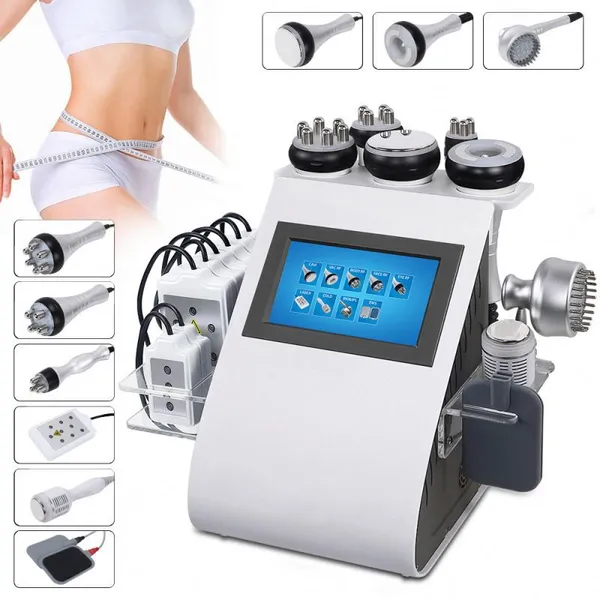
 Customizable Cavitation RF Lipolaser Radio Frequency Slimming Machine With OEM OptionsUS$ 200 - 230MOQ: 1 Unit
 -
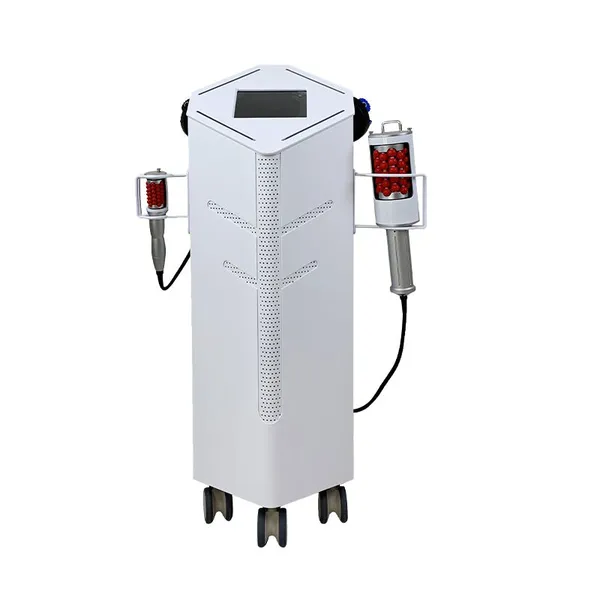
Endosphere Roller Massage Machine With 8 Massage Heads for Body Slimming TherapyUS$ 1200 - 1350MOQ: 1 Unit
-
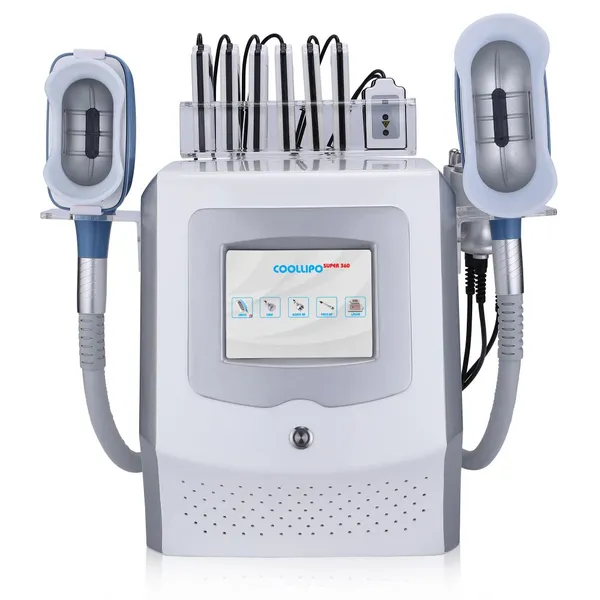
Home Use Anti-Aging and Fat Reduction Device With Cryolipolysis Technology, CE Approved 220VUS$ 1300 - 1500MOQ: 1 Unit
-
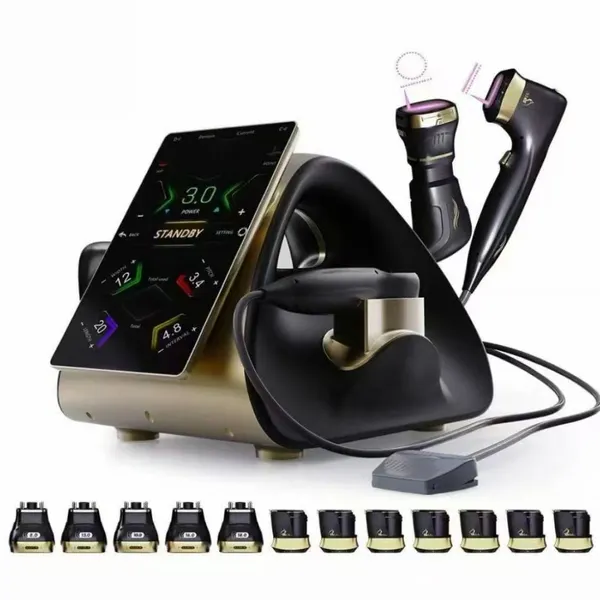
Salon-Grade 22D Max HIFU Device With FDA Cleared Technology for Non-Invasive Ultherapy & Liposonix EffectsUS$ 700 - 800MOQ: 1 Unit
-
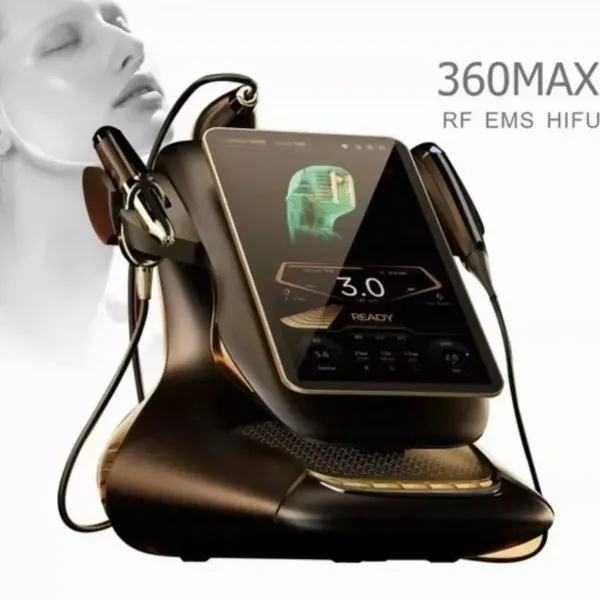
Multi-Technology Facial Device: HIFU, RF, and EMS for Comprehensive Anti-Aging TreatmentsUS$ 1150 - 1250MOQ: 1 Unit
-
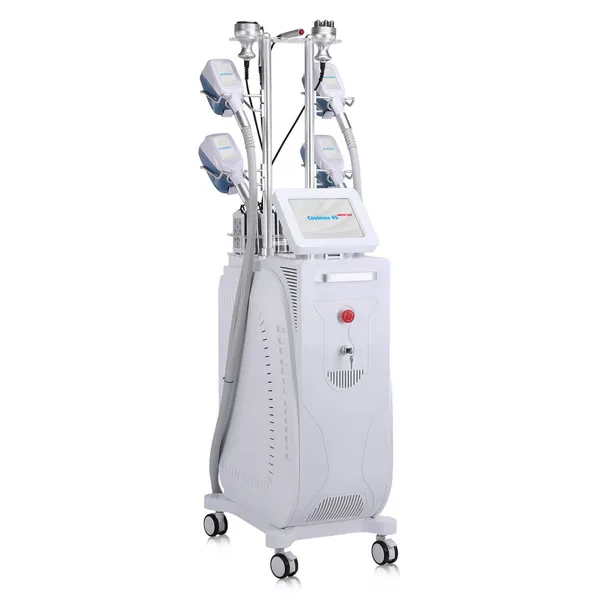
CE/FDA/ROHS Compliant Cryolipolysis Machine With 40K Cavitation & RF for Salon & Spa TreatmentsUS$ 1500 - 1700MOQ: 1 Set
-
CE Marked Cryolipolysis Fat Freezing Apparatus 220V High Cooling Power for Studio Stubborn Fat RemovalUS$ 1500 - 1700MOQ: 1 Unit
-
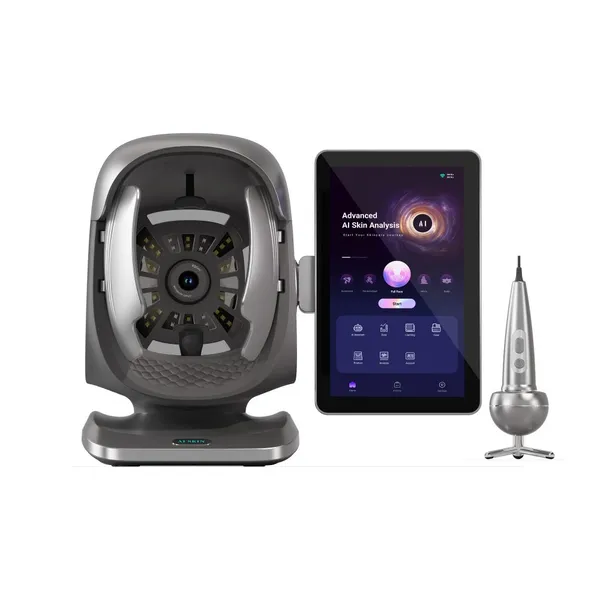
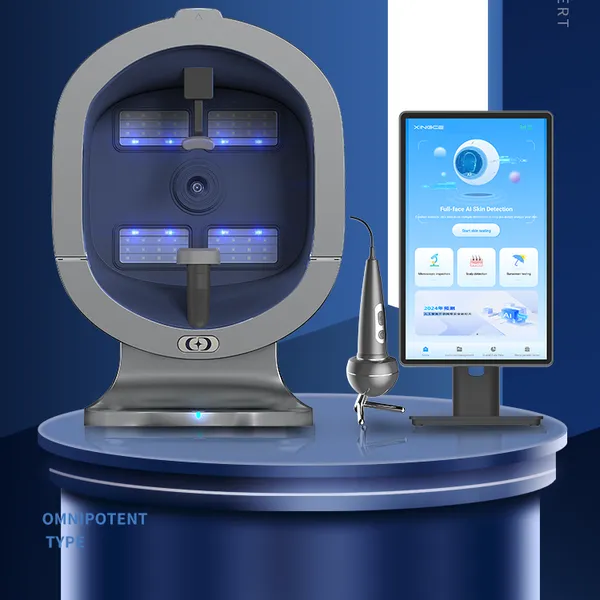
Latest Ai 3D Facial Scanner Skin Analysis Hair & Scalp Analyzer Salon Equipment Factory PriceUS$ 850 - 950MOQ: 1 Unit
-
Latest 22D Ultramax Hifu Machine With Three Handles for Vaginal Rejuvenation Facelift Fat RemovalUS$ 1200 - 1250MOQ: 1 Unit
-
New 2 in 1 ND YAG Laser Three Wavelengths 808nm 755nm 1064nm Diode Laser Permanent Painfree Hair Removal Tattoo Removal MachineUS$ 900 - 950MOQ: 1 Unit
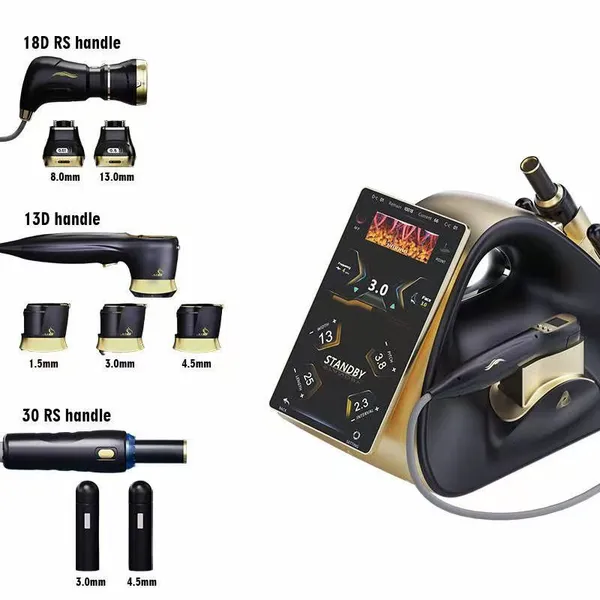
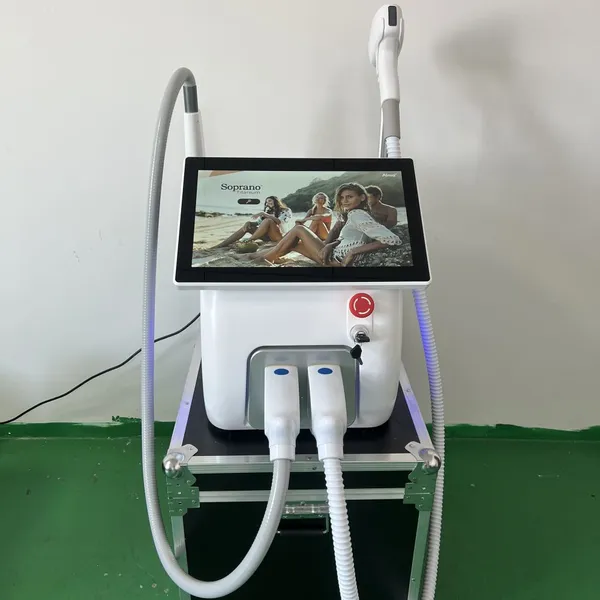
-
6-in-1 Body Shaping Machine With Technical Support and One-Year Warranty for Spa BusinessUS$ 200 - 250MOQ: 1 Unit
-
Venus Legacy Skin Tightening Machine Featuring 6 Applicator Heads for Full BodyUS$ 1600 - 1650MOQ: 1 Unit
-
Onda CoolWave Therapy for Targeted Adipose Tissue ReductionUS$ 1800 - 2000MOQ: 1 Unit
-
Skin Scanner With Scalp Analyzer for Dermatology Clinics and TrainingUS$ 800 - 900MOQ: 1 Unit
-
Portable TENS EMS Russian Wave Machine for Home Use With Rechargeable BatteryUS$ 85 - 90MOQ: 1 Unit
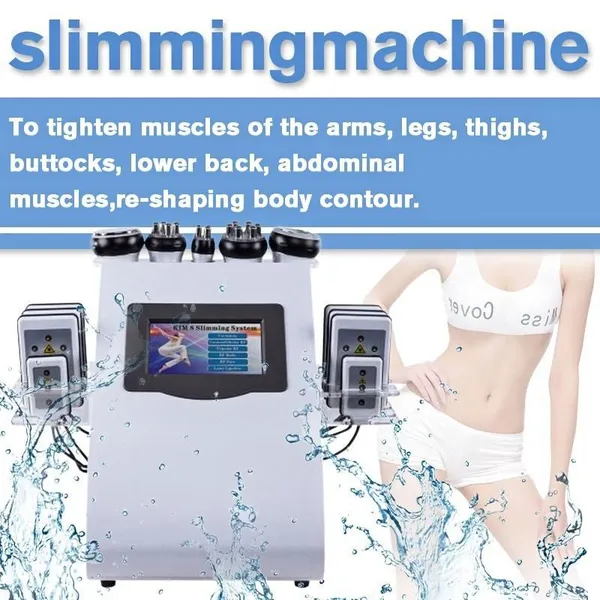
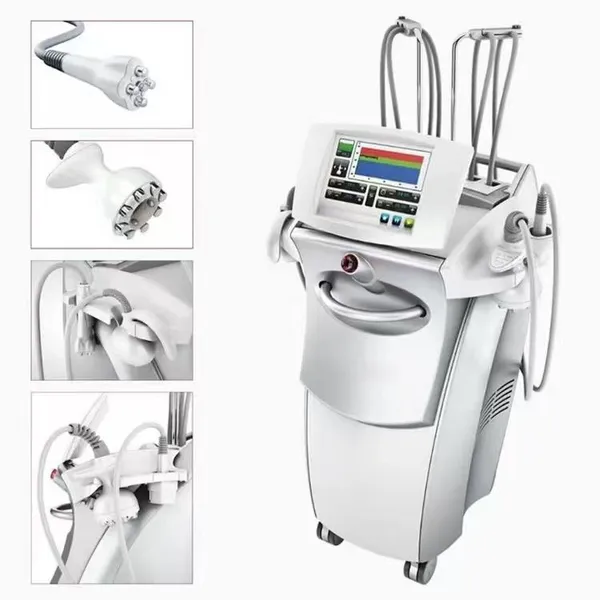
-
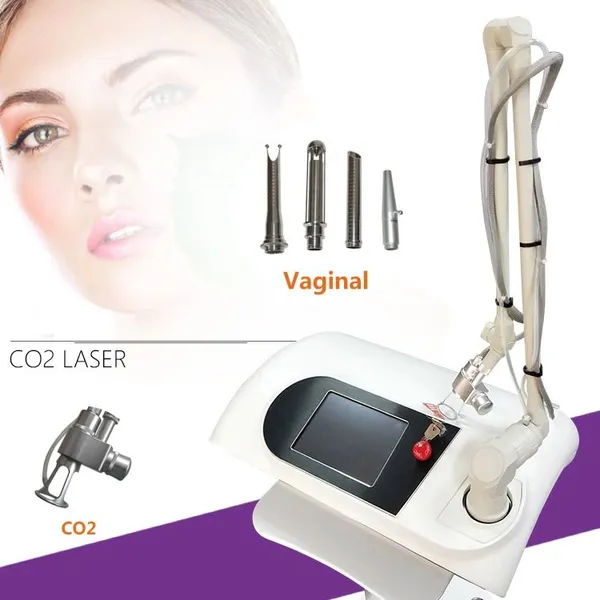
Industrial-Grade Portable Fractional CO2 Laser With Adjustable Pulse Energy 100-500mJUS$ 1500 - 1800MOQ: 1 Unit
-
6-in-1 Multi-Functional Slimming Equipment for Aesthetic Clinics: RF & Cavitation & UltrasoundUS$ 200 - 250MOQ: 1 Unit
-
Portable Infrared Physiotherapy Unit for Home Use, 50W OutputUS$ 400 - 460MOQ: 1 Unit
-
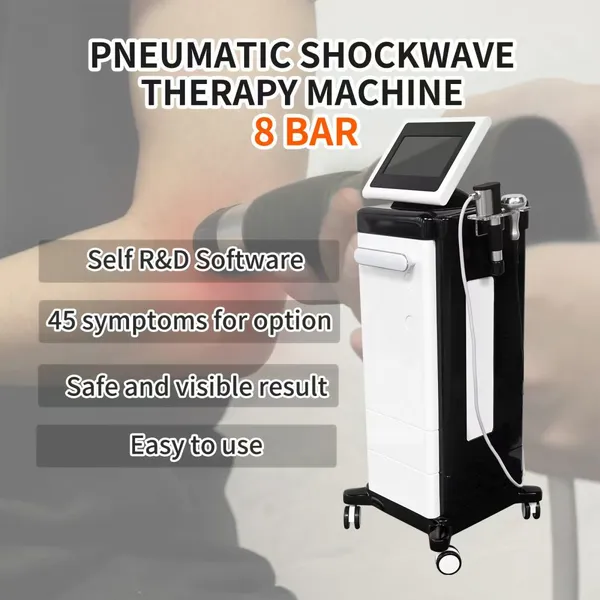
Industrial Grade Pneumatic Shockwave Machine for Physical Therapy Pain ReliefUS$ 750 - 830MOQ: 1 Unit
-
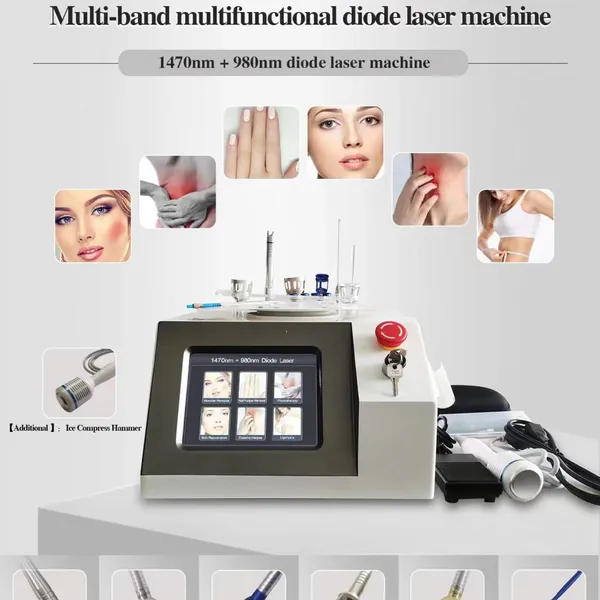
Endolaser Machine for Lipolysis Featuring 980nm and 1470nm WavelengthsUS$ 1700 - 1800MOQ: 1 Unit