
 Business License

Optical Instrument Light Source Failure: Diagnosis & Replacement Guide
Published on 2026-09-28
Introduction
Light source failure makes optical instruments unable to complete spectrum, imaging and color measurement. Light intensity attenuation or no light output is common aging fault. This article covers light source fault diagnosis and safe replacement steps.
H2: Industry Background & Core Challenges
NIST 2025 optical component lifespan report: continuous operation shortens lamp life; 65% light source faults come from aging and improper on-off cycling, not manufacturing defect. Light intensity drops gradually before complete lamp burnout.
Common pain points for B2B buyers:
• Instrument cannot start measurement after light source failure
• Early light attenuation leads to inaccurate test results
• Improper lamp replacement damages internal optical alignment
H2: How to Resolve Optical Instrument Light Source Failure
Root causes
1. Lamp aging: filament or discharge tube degrades after long running hours.
2. Frequent power on/off accelerates light source wear.
3. Overheating burns lamp and damages power driver board.
4. Wrong lamp model installed, mismatched electrical parameters.
Practical solutions
• Follow recommended lamp working lifetime and schedule replacement.
• Avoid frequent short-cycle power on/off.
• Keep light source compartment well ventilated.
• Only use compatible lamp model specified in instrument manual.
H2: Step-by-step Operation Guide: How to Safely Replace Optical Instrument Light Source Lamp
(Long-tail keyword: How to safely replace aging light source lamp inside optical measuring instruments)
1. Shut down instrument and cut power; wait lamp fully cool.
2. Open light source housing carefully, do not touch optical mirrors.
3. Remove old lamp with clean gloves, avoid fingerprint contamination.
4. Install new compatible lamp; do not touch bulb glass surface.
5. Close housing, power on, run light intensity calibration.
H2: Real Customer Case
A textile color testing lab in Indonesia had frequent spectrometer light source burnout. Operators turned instrument on/off many times per day. After changing to keep standby mode instead of frequent shutdown, lamp service life increased 2.4 times, lamp purchase cost reduced 58%.
FAQ
Q1: Can I touch lamp glass surface by bare hand?
A: No. Skin oil leaves residue, causes hot spot and premature lamp failure. Wear gloves during replacement.
Q2: How do I know light source lamp is aging before burnout?
A: Gradual reduction of light intensity and increasing baseline noise indicate lamp aging.
Q3: Can I use non-original alternative lamp?
A: Only verified compatible lamp is allowed. Wrong lamp may damage instrument power supply and optical path.
Conclusion
Planned light source replacement and stable operation extend optical instrument lifespan. Contact Schleina (Guangzhou) Trading Co., Ltd. for optical light source spare supply and replacement guidance.
Recently Posted
-
Beauty Machine Selection: Maximize Resale Value & Reduce Long-Term Depreciation Loss 【English Blog】
September 29, 2026Most B2B buyers only focus on upfront procurement cost and ignore equipment depreciation and resale value. Low-quality beauty mach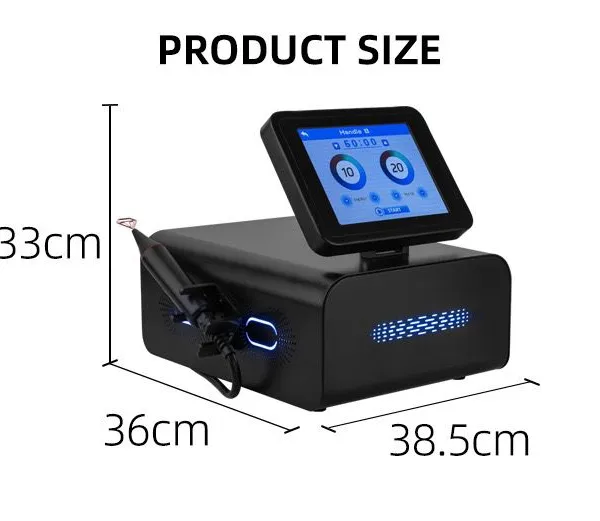 Read More
 -
Low Noise Beauty Machine Selection: Improve Salon Client Experience & Retention
September 29, 2026Equipment noise is a hidden factor affecting salon client satisfaction and repurchase rate. High-decibel beauty machines cause cli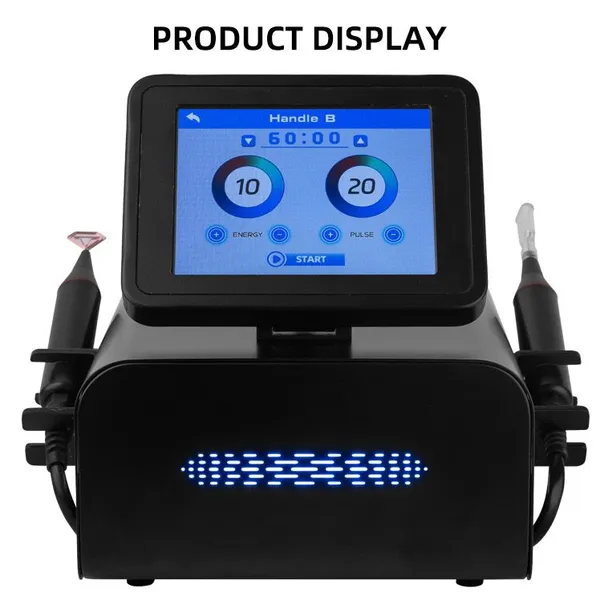 Read More
 -
Beauty Machine Selection: Why Touch Screen UI Usability Impacts Salon Revenue
September 29, 2026Most B2B buyers prioritize hardware parameters while ignoring touch screen interface usability during beauty machine selection. Co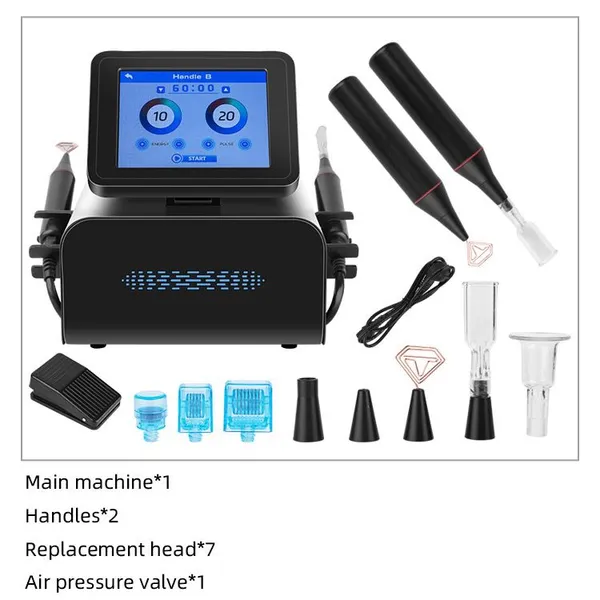 Read More
 -
Beauty Machine Selection: How to Evaluate Production Lead Time & Delivery Schedule
September 29, 2026Production lead time directly affects salon opening plan and distributor inventory turnover. Many suppliers promise short lead tim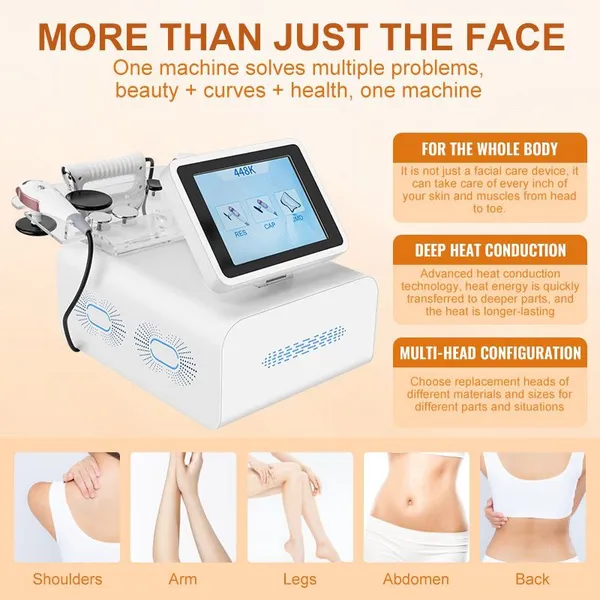 Read More

Contact Us
Recommended Products
-
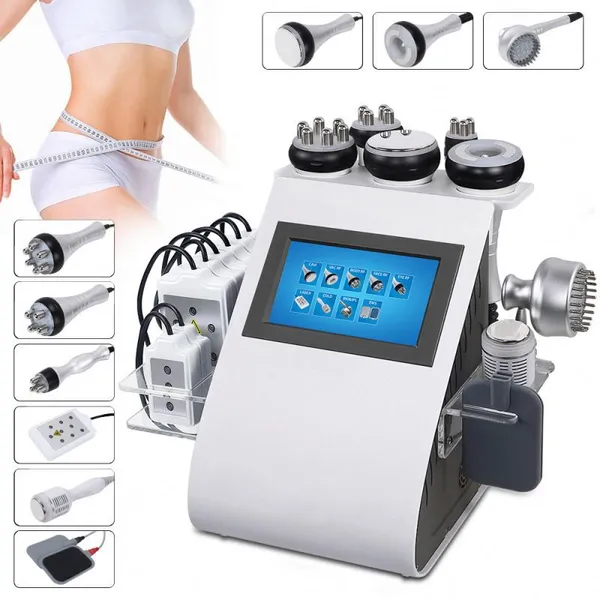
 Customizable Cavitation RF Lipolaser Radio Frequency Slimming Machine With OEM OptionsUS$ 200 - 230MOQ: 1 Unit
 -
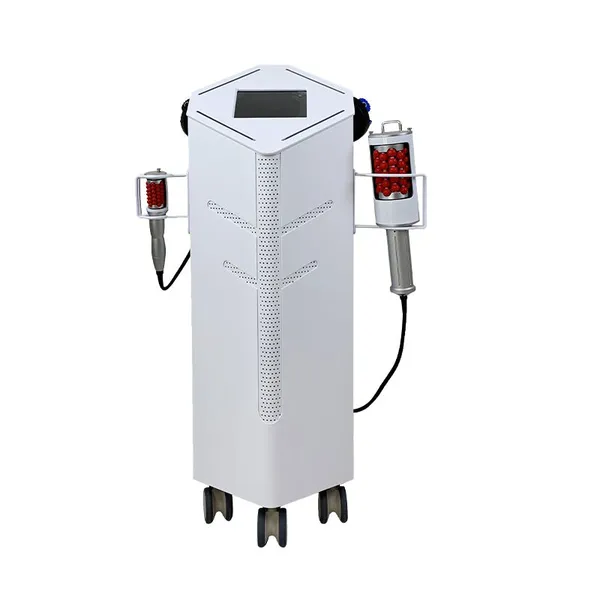
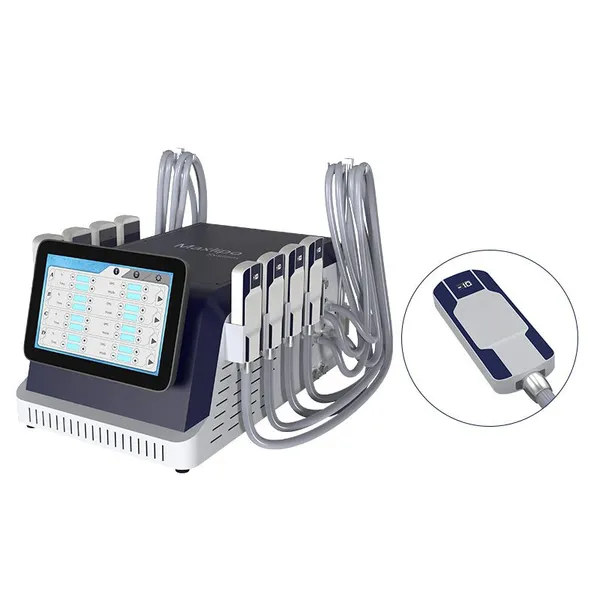
Endosphere Roller Massage Machine With 8 Massage Heads for Body Slimming TherapyUS$ 1200 - 1350MOQ: 1 Unit
-
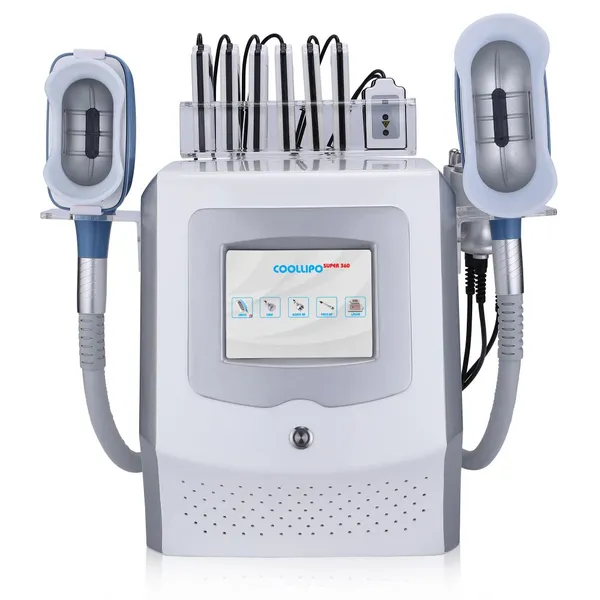
Home Use Anti-Aging and Fat Reduction Device With Cryolipolysis Technology, CE Approved 220VUS$ 1300 - 1500MOQ: 1 Unit
-
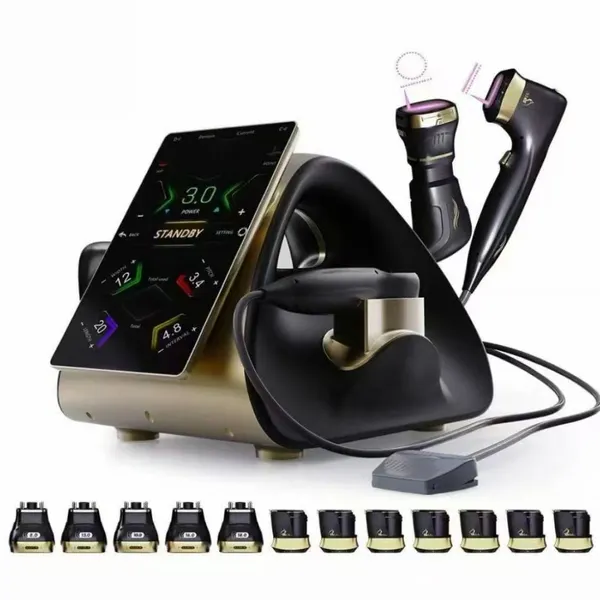
Salon-Grade 22D Max HIFU Device With FDA Cleared Technology for Non-Invasive Ultherapy & Liposonix EffectsUS$ 700 - 800MOQ: 1 Unit
-
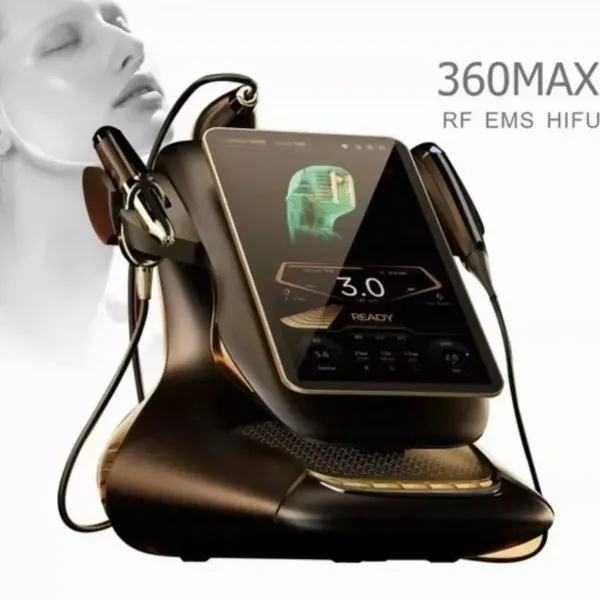
Multi-Technology Facial Device: HIFU, RF, and EMS for Comprehensive Anti-Aging TreatmentsUS$ 1150 - 1250MOQ: 1 Unit
-
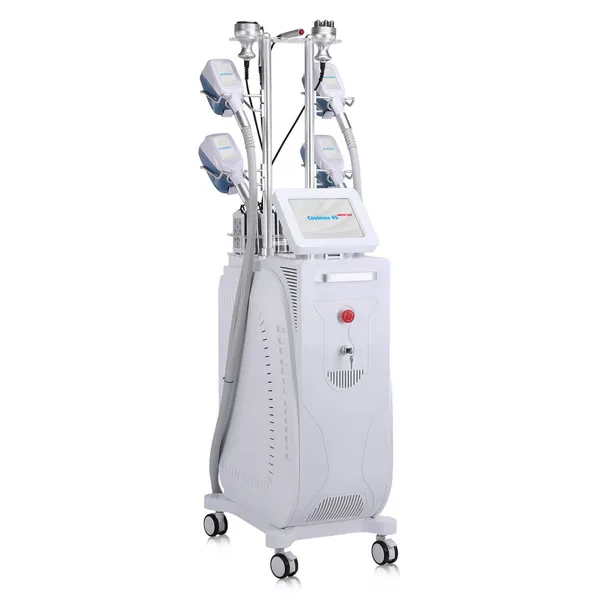
CE/FDA/ROHS Compliant Cryolipolysis Machine With 40K Cavitation & RF for Salon & Spa TreatmentsUS$ 1500 - 1700MOQ: 1 Set
-
CE Marked Cryolipolysis Fat Freezing Apparatus 220V High Cooling Power for Studio Stubborn Fat RemovalUS$ 1500 - 1700MOQ: 1 Unit
-
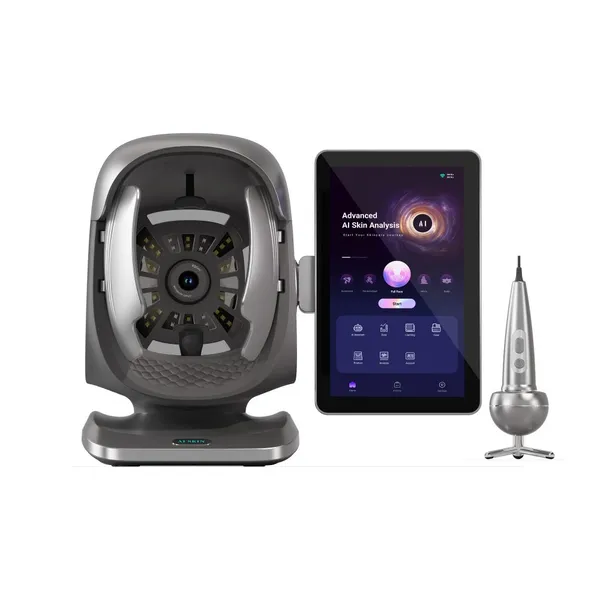
Latest Ai 3D Facial Scanner Skin Analysis Hair & Scalp Analyzer Salon Equipment Factory PriceUS$ 850 - 950MOQ: 1 Unit
-
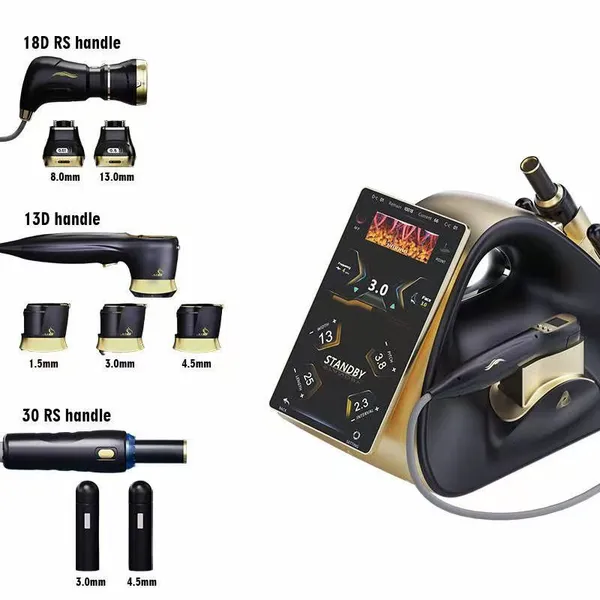
Latest 22D Ultramax Hifu Machine With Three Handles for Vaginal Rejuvenation Facelift Fat RemovalUS$ 1200 - 1250MOQ: 1 Unit
-
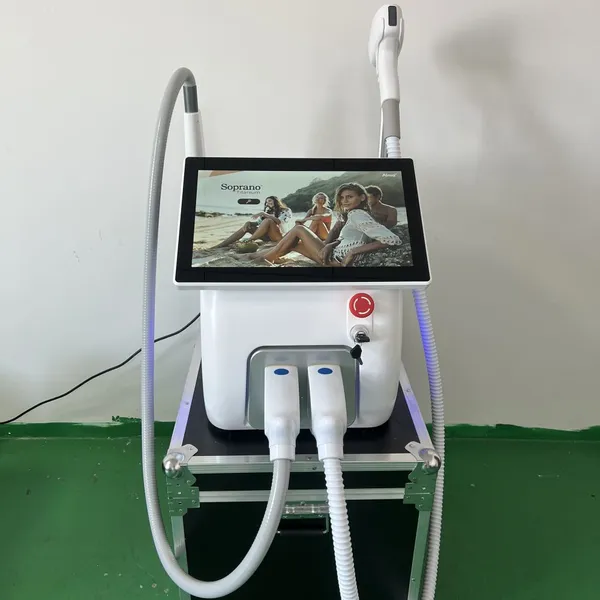
New 2 in 1 ND YAG Laser Three Wavelengths 808nm 755nm 1064nm Diode Laser Permanent Painfree Hair Removal Tattoo Removal MachineUS$ 900 - 950MOQ: 1 Unit
-
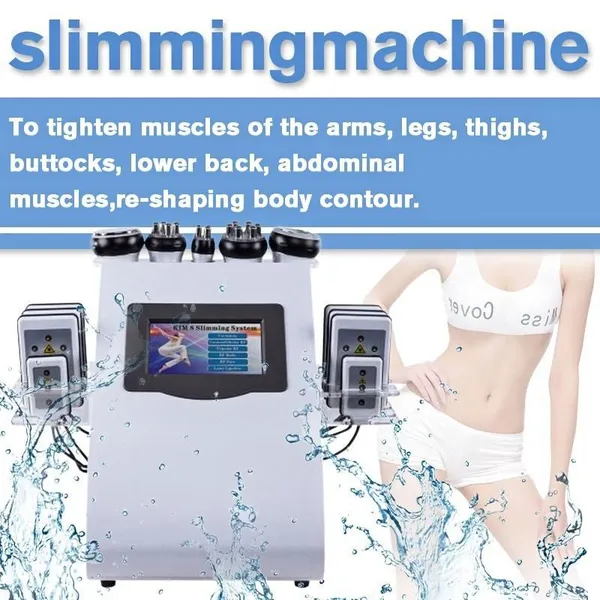
6-in-1 Body Shaping Machine With Technical Support and One-Year Warranty for Spa BusinessUS$ 200 - 250MOQ: 1 Unit
-
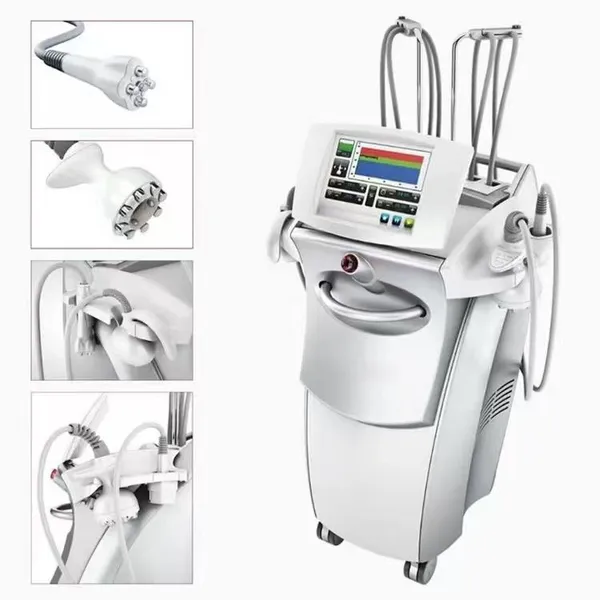
Venus Legacy Skin Tightening Machine Featuring 6 Applicator Heads for Full BodyUS$ 1600 - 1650MOQ: 1 Unit
-
Onda CoolWave Therapy for Targeted Adipose Tissue ReductionUS$ 1800 - 2000MOQ: 1 Unit
-
Skin Scanner With Scalp Analyzer for Dermatology Clinics and TrainingUS$ 800 - 900MOQ: 1 Unit
-
Portable TENS EMS Russian Wave Machine for Home Use With Rechargeable BatteryUS$ 85 - 90MOQ: 1 Unit
-
Industrial-Grade Portable Fractional CO2 Laser With Adjustable Pulse Energy 100-500mJUS$ 1500 - 1800MOQ: 1 Unit
-
6-in-1 Multi-Functional Slimming Equipment for Aesthetic Clinics: RF & Cavitation & UltrasoundUS$ 200 - 250MOQ: 1 Unit
-
Portable Infrared Physiotherapy Unit for Home Use, 50W OutputUS$ 400 - 460MOQ: 1 Unit
-
Industrial Grade Pneumatic Shockwave Machine for Physical Therapy Pain ReliefUS$ 750 - 830MOQ: 1 Unit
-
Endolaser Machine for Lipolysis Featuring 980nm and 1470nm WavelengthsUS$ 1700 - 1800MOQ: 1 Unit