
 Business License

Optical Instrument Lens Fogging: Troubleshooting & Maintenance Guide
Lens fogging is a common malfunction of optical instruments, causing blurred imaging and inaccurate reading. Humid working environment, improper storage and surface oil contamination are primary triggers. This article explains fogging types and maintenance solutions for B2B optical instrument buyers.
Industry Background & Core Challenges
According to NIST 2025 optical metrology report, 61% of optical instrument return complaints relate to lens fogging. Condensation fog is reversible, while chemical film fog caused by volatile organics leads to permanent optical damage. Fog reduces light transmittance and measurement precision.
Common pain points for B2B buyers:
• Optical reading drift after lens fogging
• Short service cycle of precision optical components
• Unsure whether fogging can be cleaned or lens needs replacement
How to Resolve Optical Instrument Lens Fogging
Root causes
1. Temperature difference causes water condensation on lens surface.
2. Volatile organic vapor forms permanent chemical film on coating.
3. Fingerprint oil contamination from improper manual operation.
4. Seal aging, moisture penetrates inside optical assembly.
Practical solutions
• Stabilize working environment temperature and humidity.
• Use dry nitrogen purge for sealed optical chambers.
• Clean lens only with professional optical wiping paper.
• Replace aging sealing rings to stop moisture infiltration.
Step-by-step Operation Guide: How to Clean Fogged Optical Lens Safely
(Long-tail keyword: How to safely remove condensation fog from precision optical instrument lens)
1. Power off the optical device and wait until temperature stabilizes.
2. Blow loose dust off lens surface with dry rubber air blower.
3. Fold professional optical wiping paper, add tiny amount of lens cleaning solvent.
4. Wipe lens in one-way gentle stroke; do not circular rub.
5. Dry lens naturally, inspect imaging effect before restarting measurement.
Real Customer Case
A precision inspection factory in Vietnam suffered frequent lens fogging on optical comparator. Workshop humidity fluctuated greatly, and internal sealing degraded. After replacing seal rings and installing constant humidity cabinet for instrument storage, lens fogging failure reduced 84%, lens replacement frequency cut by 70%.
FAQ
Q1: Can chemical film fog be fully removed?
A: Condensation fog can be cleaned. Once permanent chemical film forms on anti-reflection coating, lens replacement is required.
Q2: Can normal tissue paper be used for optical lens cleaning?
A: Ordinary paper contains wood fiber and abrasive particles, will scratch optical coating, only optical wiping paper is allowed.
Q3: What humidity level is recommended for optical instrument storage?
A: 40%~55% RH is the optimal storage humidity for most precision optical instruments.
Conclusion
Lens fogging can be managed by humidity control, good sealing and standardized cleaning. Contact Schleina (Guangzhou) Trading Co., Ltd. for optical instrument maintenance recommendation and spare part support.
Recently Posted
-
Beauty Device Water Cooling Loop Fault: Overheat & Coolant Circulation Failure
October 30, 2026IntroductionMany high-power beauty devices rely on a water cooling loop to protect internal components. Coolant circulation failur Read More
-
Beauty Equipment Foot Switch Fault: Unresponsive Pedal & Stuck Switch
October 30, 2026IntroductionFoot switches control power and function on many beauty devices. Unresponsive pedals, stuck switches and intermittent Read More
-
Meso Gun / Derma Pen Injection Depth Abnormal: Slow Response & Leakage
October 30, 2026IntroductionMeso gun and derma pen devices deliver serum through microneedling injection. Abnormal injection depth, slow response Read More
-
Cryo Ice Hammer / Cold Hammer Device Weak Cooling: Ice Compress Fault
October 30, 2026IntroductionCryo ice hammer device provides cold compress and skin tightening through a low-temperature tip. Weak cooling, insuffi Read More

Contact Us
Recommended Products
-
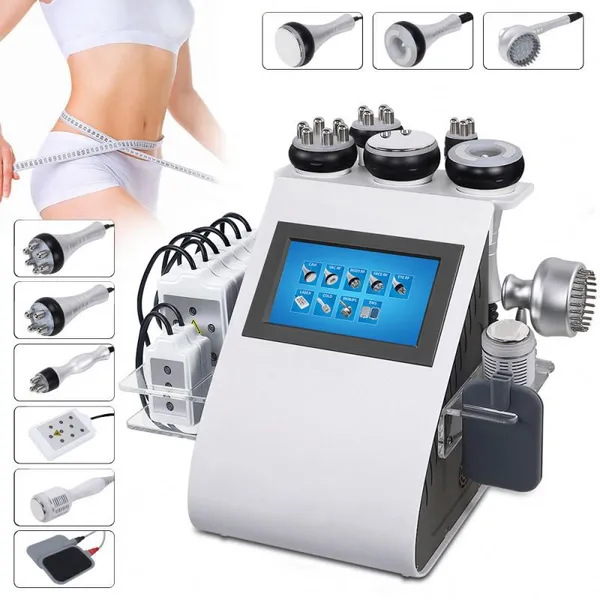
 Customizable Cavitation RF Lipolaser Radio Frequency Slimming Machine With OEM OptionsUS$ 200 - 230MOQ: 1 Unit
-
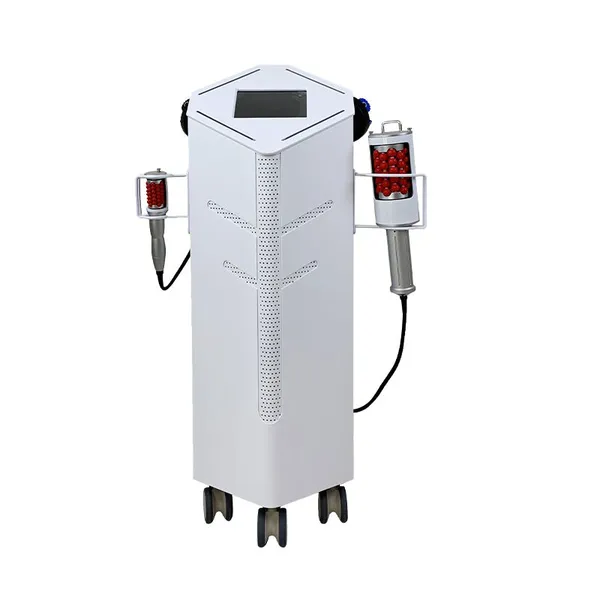
Endosphere Roller Massage Machine With 8 Massage Heads for Body Slimming TherapyUS$ 1200 - 1350MOQ: 1 Unit
-
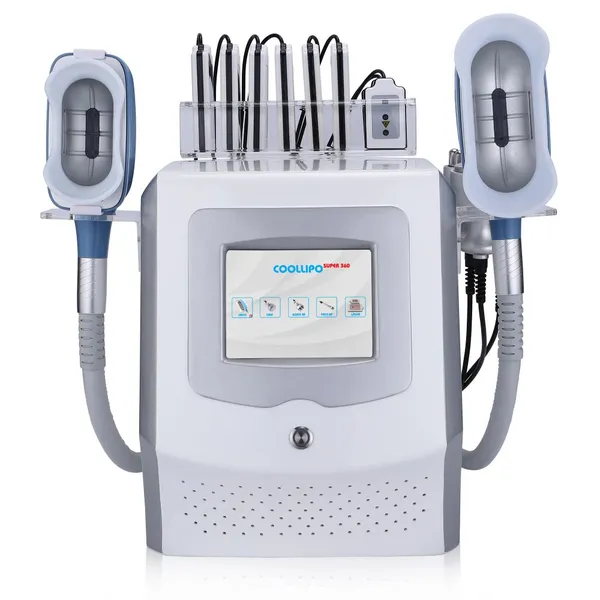
Home Use Anti-Aging and Fat Reduction Device With Cryolipolysis Technology, CE Approved 220VUS$ 1300 - 1500MOQ: 1 Unit
-
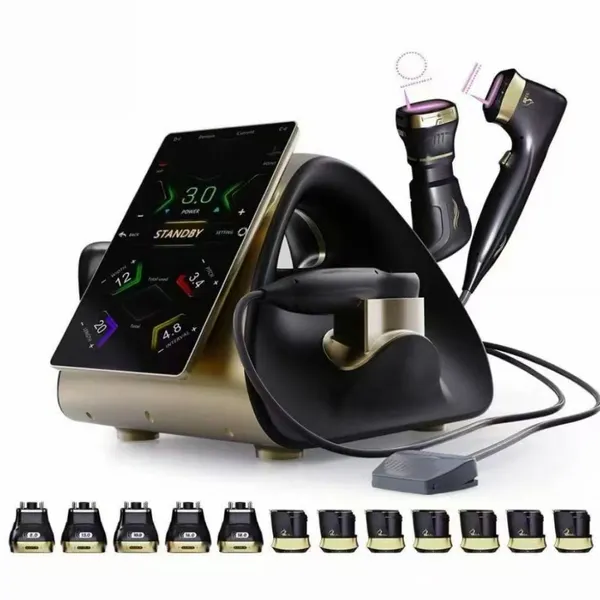
Salon-Grade 22D Max HIFU Device With FDA Cleared Technology for Non-Invasive Ultherapy & Liposonix EffectsUS$ 700 - 800MOQ: 1 Unit
-
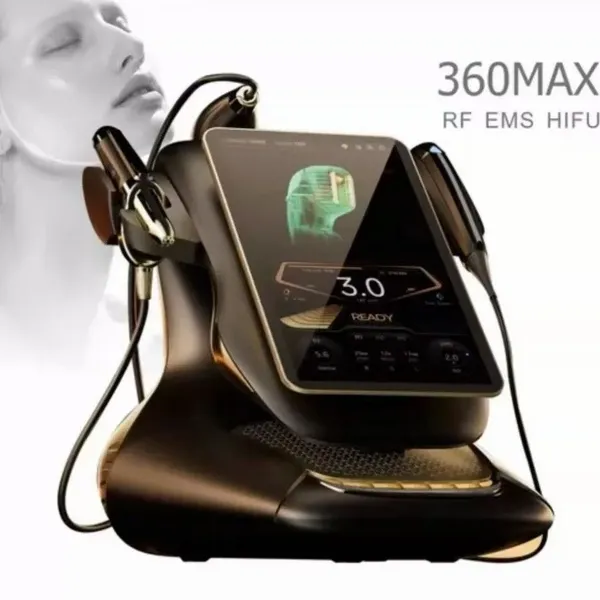
Multi-Technology Facial Device: HIFU, RF, and EMS for Comprehensive Anti-Aging TreatmentsUS$ 1150 - 1250MOQ: 1 Unit
-
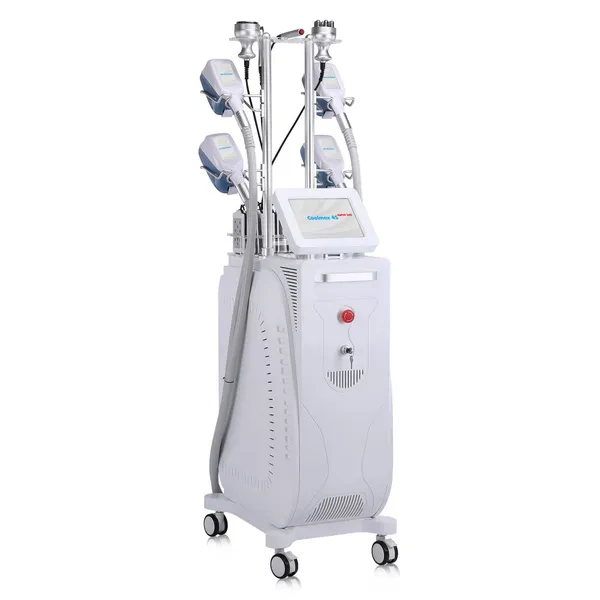
CE/FDA/ROHS Compliant Cryolipolysis Machine With 40K Cavitation & RF for Salon & Spa TreatmentsUS$ 1500 - 1700MOQ: 1 Set
-
CE Marked Cryolipolysis Fat Freezing Apparatus 220V High Cooling Power for Studio Stubborn Fat RemovalUS$ 1500 - 1700MOQ: 1 Unit
-
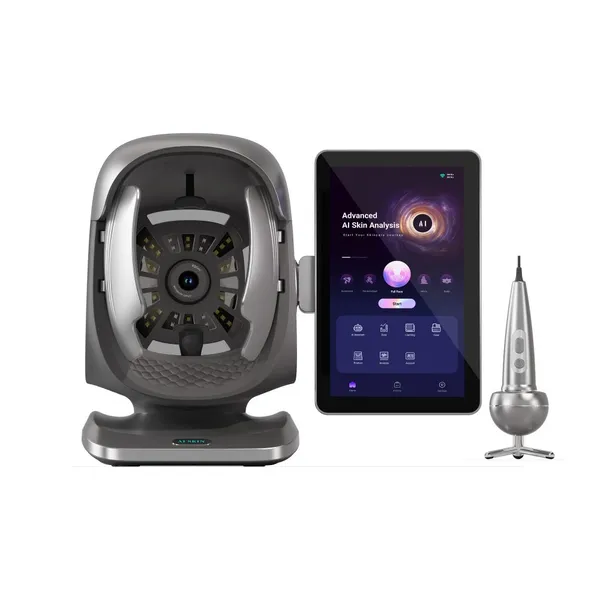
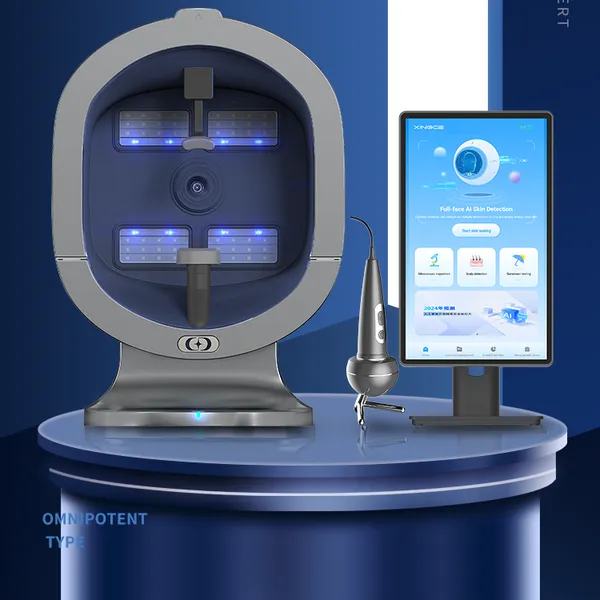
Latest Ai 3D Facial Scanner Skin Analysis Hair & Scalp Analyzer Salon Equipment Factory PriceUS$ 850 - 950MOQ: 1 Unit
-
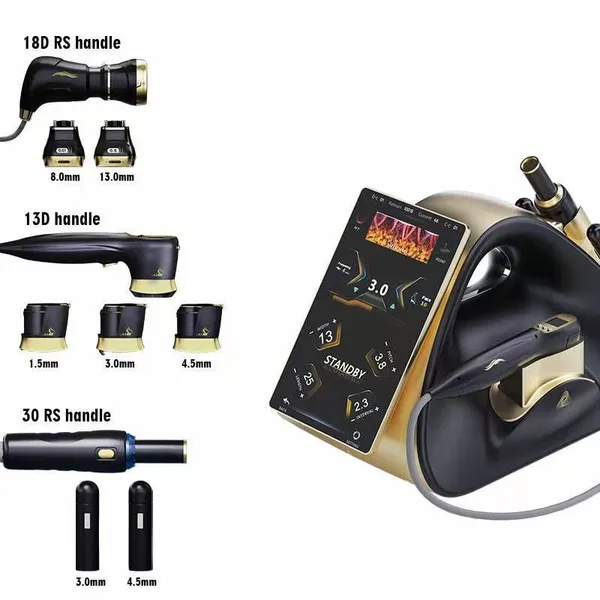
Latest 22D Ultramax Hifu Machine With Three Handles for Vaginal Rejuvenation Facelift Fat RemovalUS$ 1200 - 1250MOQ: 1 Unit
-
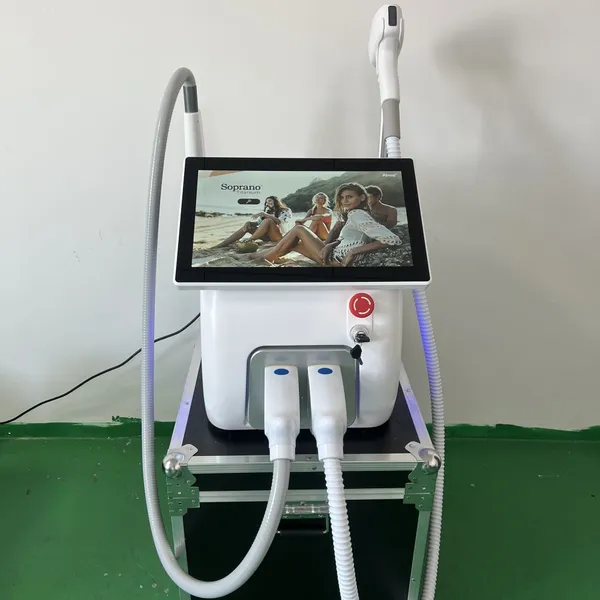
New 2 in 1 ND YAG Laser Three Wavelengths 808nm 755nm 1064nm Diode Laser Permanent Painfree Hair Removal Tattoo Removal MachineUS$ 900 - 950MOQ: 1 Unit
-
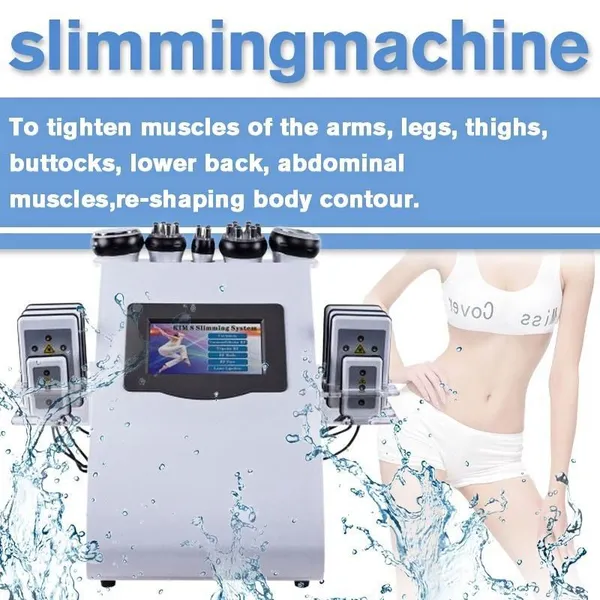
6-in-1 Body Shaping Machine With Technical Support and One-Year Warranty for Spa BusinessUS$ 200 - 250MOQ: 1 Unit
-
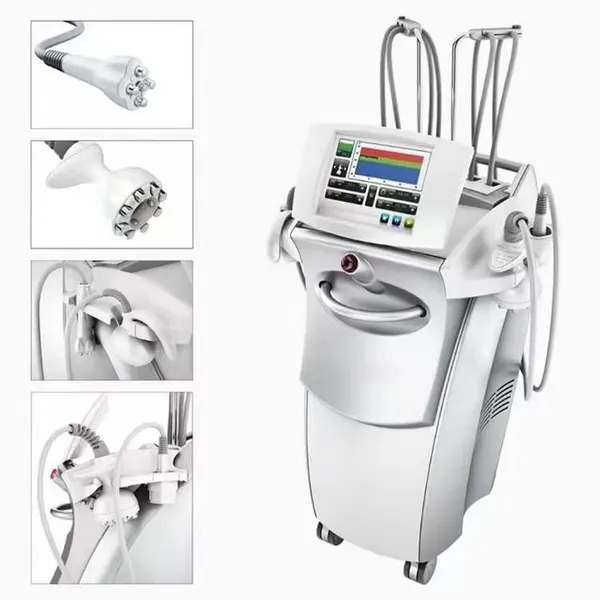
Venus Legacy Skin Tightening Machine Featuring 6 Applicator Heads for Full BodyUS$ 1600 - 1650MOQ: 1 Unit
-
Onda CoolWave Therapy for Targeted Adipose Tissue ReductionUS$ 1800 - 2000MOQ: 1 Unit
-
Skin Scanner With Scalp Analyzer for Dermatology Clinics and TrainingUS$ 800 - 900MOQ: 1 Unit
-
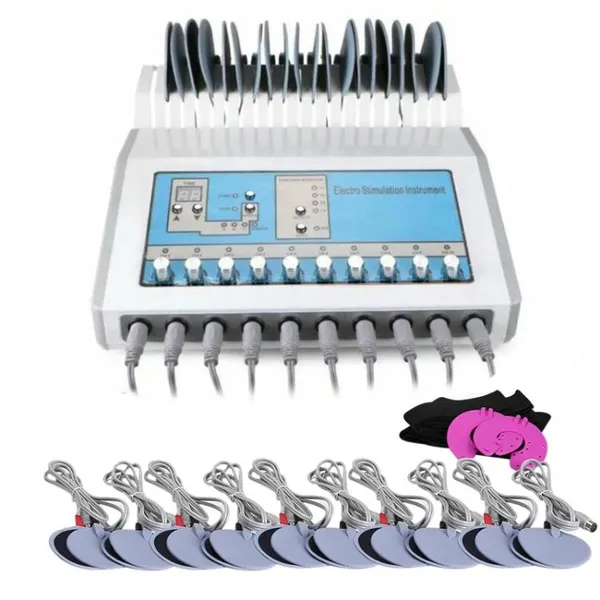
Portable TENS EMS Russian Wave Machine for Home Use With Rechargeable BatteryUS$ 85 - 90MOQ: 1 Unit
-
Industrial-Grade Portable Fractional CO2 Laser With Adjustable Pulse Energy 100-500mJUS$ 1500 - 1800MOQ: 1 Unit
-
6-in-1 Multi-Functional Slimming Equipment for Aesthetic Clinics: RF & Cavitation & UltrasoundUS$ 200 - 250MOQ: 1 Unit
-
Portable Infrared Physiotherapy Unit for Home Use, 50W OutputUS$ 400 - 460MOQ: 1 Unit
-
Industrial Grade Pneumatic Shockwave Machine for Physical Therapy Pain ReliefUS$ 750 - 830MOQ: 1 Unit
-
Endolaser Machine for Lipolysis Featuring 980nm and 1470nm WavelengthsUS$ 1700 - 1800MOQ: 1 Unit