
 Business License

Laboratory Glass Instrument Crack: Causes & Troubleshooting Guide
Unexpected cracks on lab glass instruments bring safety risks and sample contamination, which troubles many lab procurement managers. Most buyers only replace broken glassware without finding root causes. This article analyzes glass cracking triggers and preventive solutions for industrial and research laboratories.
Industry Background & Core Challenges
According to ISA International 2025 laboratory safety report, thermal shock accounts for 74% of laboratory glass instrument cracking incidents. Rapid temperature change creates uneven thermal expansion stress, leading to invisible micro-cracks and sudden rupture. Improper clamping, mechanical impact and aging glass are secondary failure factors.
Common pain points for B2B buyers:
• Frequent glassware breakage increases recurring procurement expense
• Broken glass causes sample loss and lab safety hazards
• Hard to tell if cracks are product defect or improper operation
How to Solve Laboratory Glass Instrument Crack
Root causes
1. Thermal shock: Rapid heating or cooling creates temperature difference on glass wall.
2. Mechanical stress: Over-tight clamps scratch and squeeze glass components.
3. Surface micro-scratches: Tiny scratches expand under temperature cycling.
4. Aging glass: Long-time chemical corrosion weakens glass structure.
Practical solutions
• Gradually heat or cool glassware to avoid abrupt temperature shift.
• Use soft PTFE gaskets when clamping glass instruments; do not over tighten.
• Inspect glass surface before use, discard items with visible scratches.
• Replace glassware regularly if used for strong acid / alkali sample testing.
Step-by-step Operation Guide: How to Prevent Thermal Crack of Lab Glassware
(Long-tail keyword: How to avoid thermal shock cracks on laboratory glass instruments)
1. Preheat glass instrument before putting it into high-temperature heating equipment.
2. Do not place hot glass directly on cold metal or stone countertop.
3. Check for scratches, chips before loading samples.
4. Avoid direct flame contact on glass wall; use asbestos mesh for heating.
5. After experiment, let glassware cool naturally at room temperature, no cold water quenching.
Real Customer Case
A chemical research institute in Singapore had high glass breakage rate. After audit, lab staff poured cold solvent into hot glass reactor directly. By implementing gradual cooling rules and visual pre-use inspection, glass cracking incidents dropped 76%, annual glass procurement cost reduced by 63%.
FAQ
Q1: Can glass with tiny surface scratches still be used?
A: Minor surface scratches may expand under thermal cycling. For high-pressure or heating tests, scratched glass instruments should be retired.
Q2: Is glass crack always manufacturing defect?
A: Most cracks come from thermal shock or mechanical impact, not factory defect. Check operation process first.
Q3: What glass material has best thermal shock resistance?
A: Borosilicate glass has much better thermal stability than ordinary soda-lime glass.
Conclusion
Lab glass cracking can be controlled by standardized operation and proper material selection. Before bulk purchase, communicate your heating/cooling working conditions with Schleina (Guangzhou) Trading Co., Ltd. Get glassware specification recommendation for your lab application.
Recently Posted
-
Beauty Device Water Cooling Loop Fault: Overheat & Coolant Circulation Failure
October 30, 2026IntroductionMany high-power beauty devices rely on a water cooling loop to protect internal components. Coolant circulation failur Read More
-
Beauty Equipment Foot Switch Fault: Unresponsive Pedal & Stuck Switch
October 30, 2026IntroductionFoot switches control power and function on many beauty devices. Unresponsive pedals, stuck switches and intermittent Read More
-
Meso Gun / Derma Pen Injection Depth Abnormal: Slow Response & Leakage
October 30, 2026IntroductionMeso gun and derma pen devices deliver serum through microneedling injection. Abnormal injection depth, slow response Read More
-
Cryo Ice Hammer / Cold Hammer Device Weak Cooling: Ice Compress Fault
October 30, 2026IntroductionCryo ice hammer device provides cold compress and skin tightening through a low-temperature tip. Weak cooling, insuffi Read More

Contact Us
Recommended Products
-
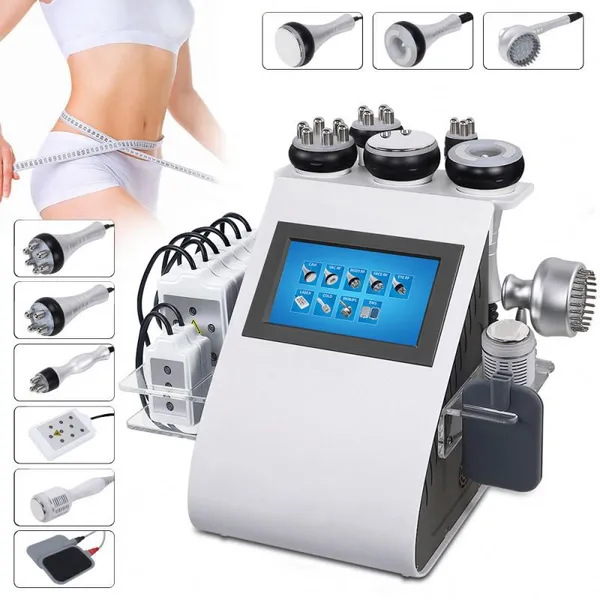
 Customizable Cavitation RF Lipolaser Radio Frequency Slimming Machine With OEM OptionsUS$ 200 - 230MOQ: 1 Unit
-
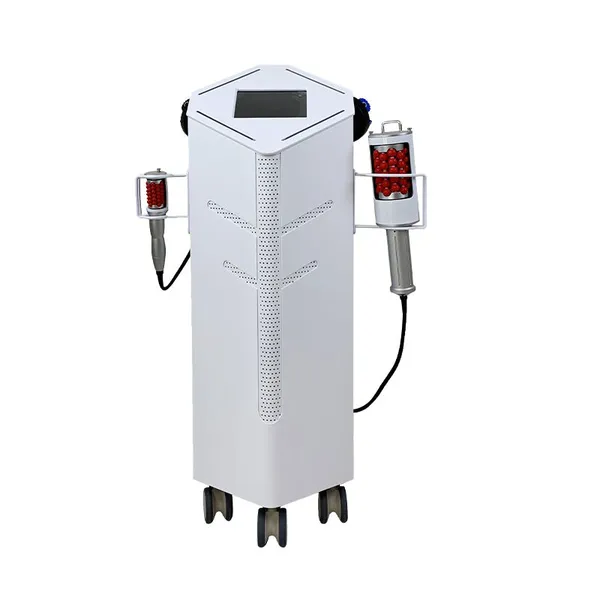
Endosphere Roller Massage Machine With 8 Massage Heads for Body Slimming TherapyUS$ 1200 - 1350MOQ: 1 Unit
-
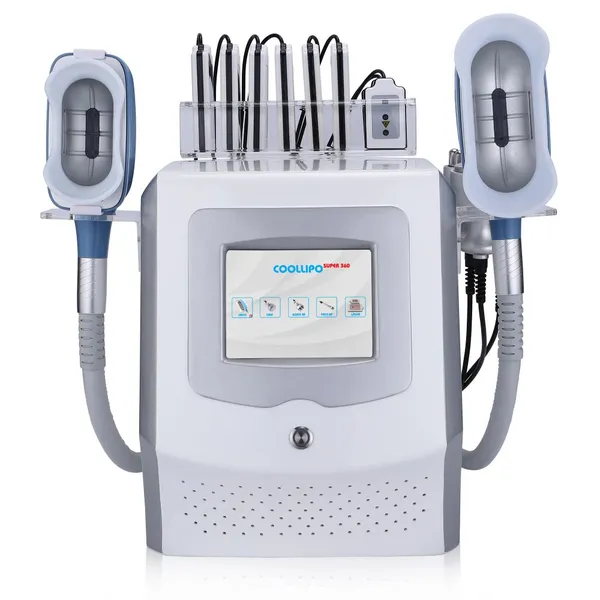
Home Use Anti-Aging and Fat Reduction Device With Cryolipolysis Technology, CE Approved 220VUS$ 1300 - 1500MOQ: 1 Unit
-
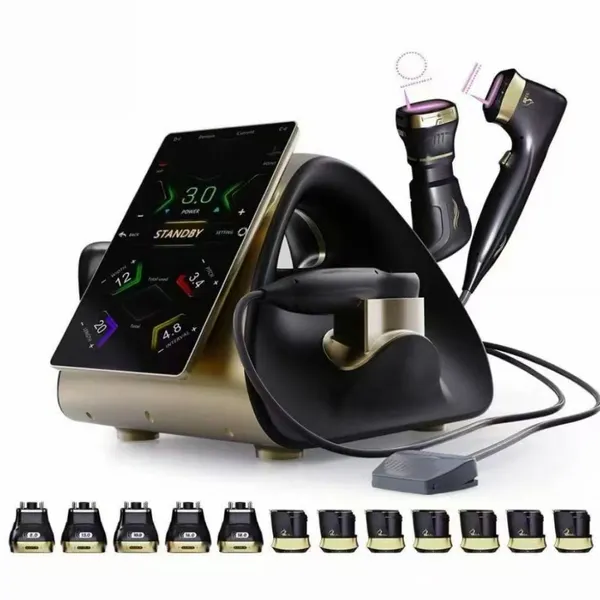
Salon-Grade 22D Max HIFU Device With FDA Cleared Technology for Non-Invasive Ultherapy & Liposonix EffectsUS$ 700 - 800MOQ: 1 Unit
-
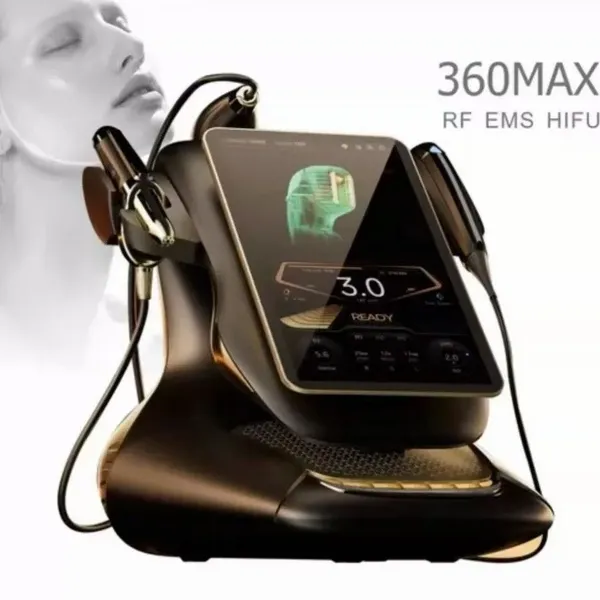
Multi-Technology Facial Device: HIFU, RF, and EMS for Comprehensive Anti-Aging TreatmentsUS$ 1150 - 1250MOQ: 1 Unit
-
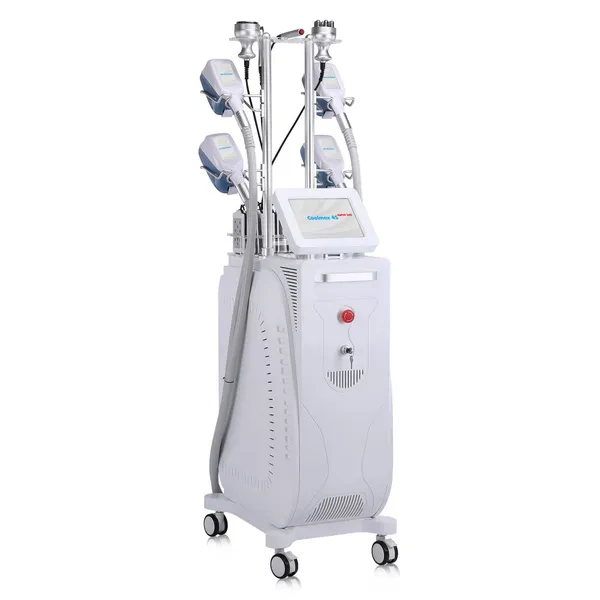
CE/FDA/ROHS Compliant Cryolipolysis Machine With 40K Cavitation & RF for Salon & Spa TreatmentsUS$ 1500 - 1700MOQ: 1 Set
-
CE Marked Cryolipolysis Fat Freezing Apparatus 220V High Cooling Power for Studio Stubborn Fat RemovalUS$ 1500 - 1700MOQ: 1 Unit
-
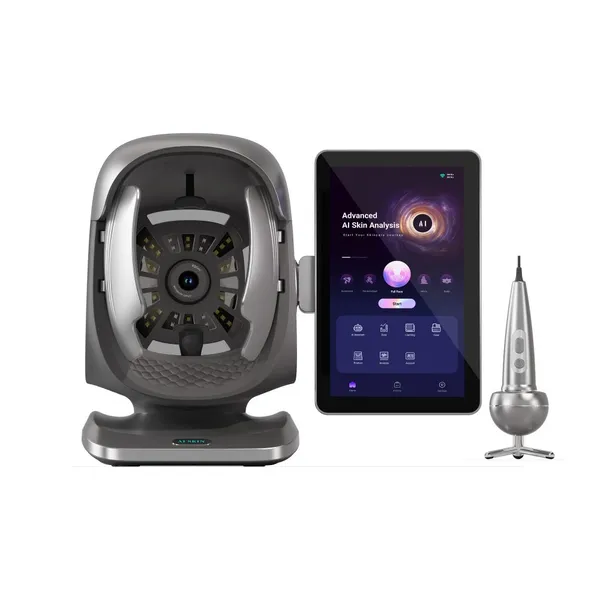
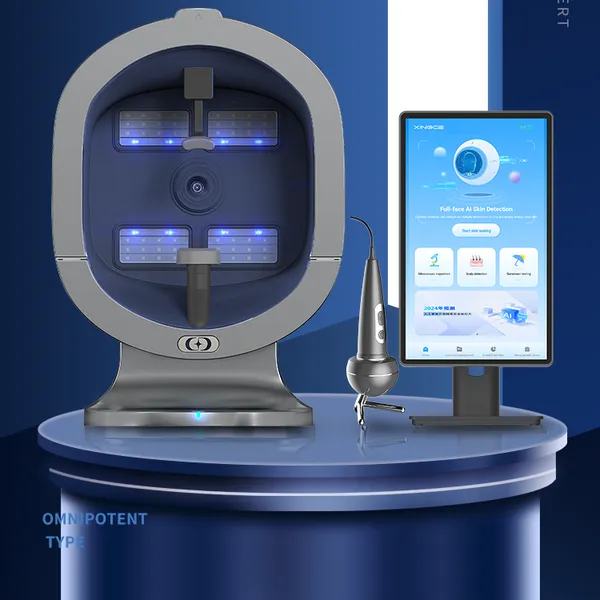
Latest Ai 3D Facial Scanner Skin Analysis Hair & Scalp Analyzer Salon Equipment Factory PriceUS$ 850 - 950MOQ: 1 Unit
-
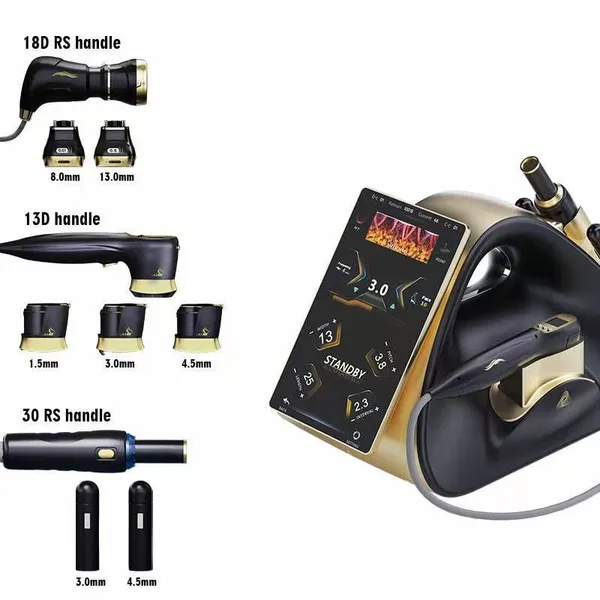
Latest 22D Ultramax Hifu Machine With Three Handles for Vaginal Rejuvenation Facelift Fat RemovalUS$ 1200 - 1250MOQ: 1 Unit
-
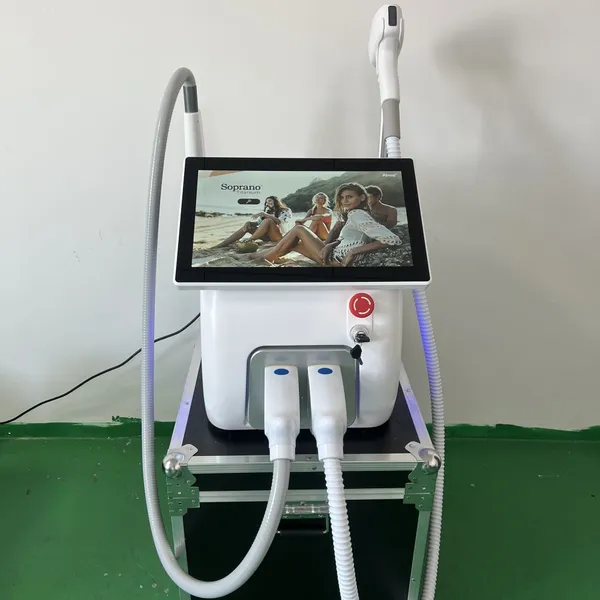
New 2 in 1 ND YAG Laser Three Wavelengths 808nm 755nm 1064nm Diode Laser Permanent Painfree Hair Removal Tattoo Removal MachineUS$ 900 - 950MOQ: 1 Unit
-
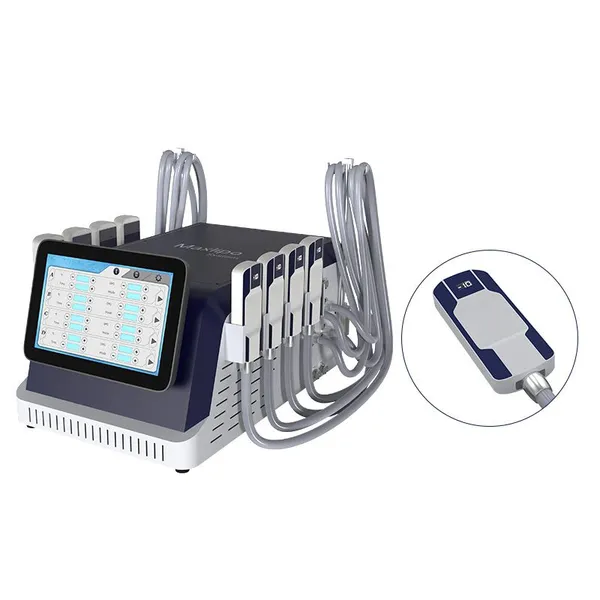
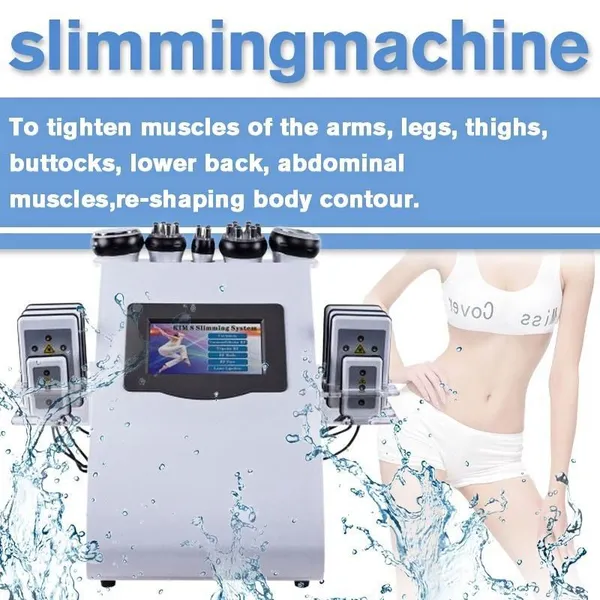
6-in-1 Body Shaping Machine With Technical Support and One-Year Warranty for Spa BusinessUS$ 200 - 250MOQ: 1 Unit
-
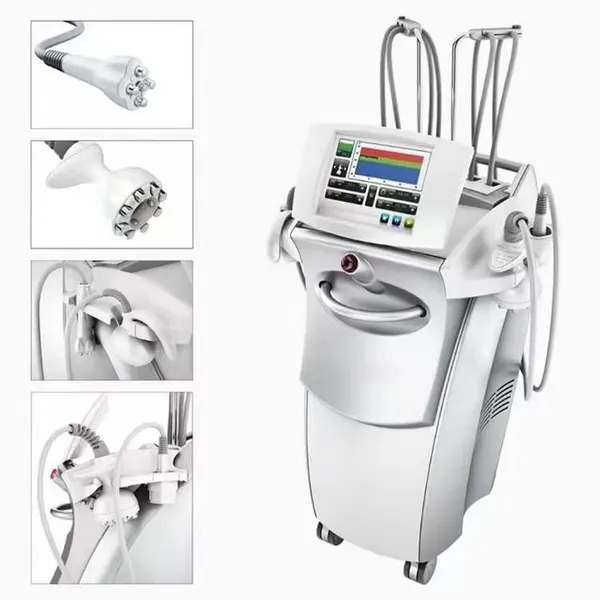
Venus Legacy Skin Tightening Machine Featuring 6 Applicator Heads for Full BodyUS$ 1600 - 1650MOQ: 1 Unit
-
Onda CoolWave Therapy for Targeted Adipose Tissue ReductionUS$ 1800 - 2000MOQ: 1 Unit
-
Skin Scanner With Scalp Analyzer for Dermatology Clinics and TrainingUS$ 800 - 900MOQ: 1 Unit
-
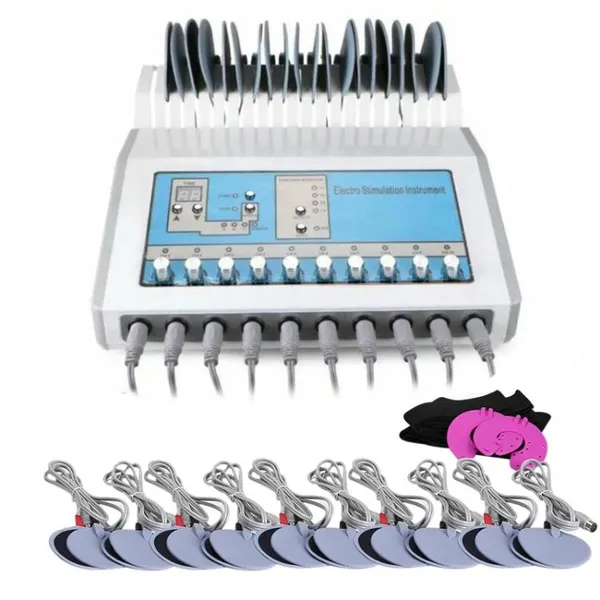
Portable TENS EMS Russian Wave Machine for Home Use With Rechargeable BatteryUS$ 85 - 90MOQ: 1 Unit
-
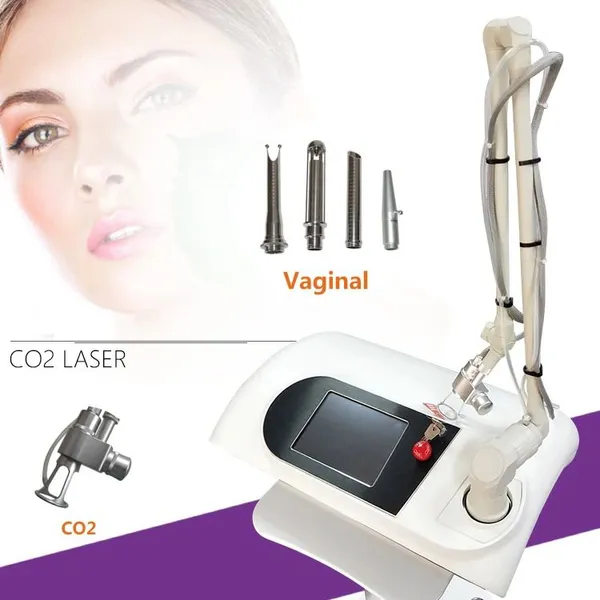
Industrial-Grade Portable Fractional CO2 Laser With Adjustable Pulse Energy 100-500mJUS$ 1500 - 1800MOQ: 1 Unit
-
6-in-1 Multi-Functional Slimming Equipment for Aesthetic Clinics: RF & Cavitation & UltrasoundUS$ 200 - 250MOQ: 1 Unit
-
Portable Infrared Physiotherapy Unit for Home Use, 50W OutputUS$ 400 - 460MOQ: 1 Unit
-
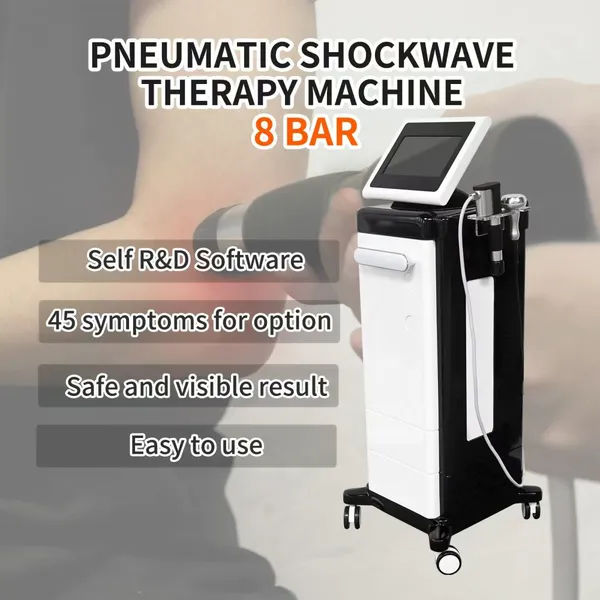
Industrial Grade Pneumatic Shockwave Machine for Physical Therapy Pain ReliefUS$ 750 - 830MOQ: 1 Unit
-
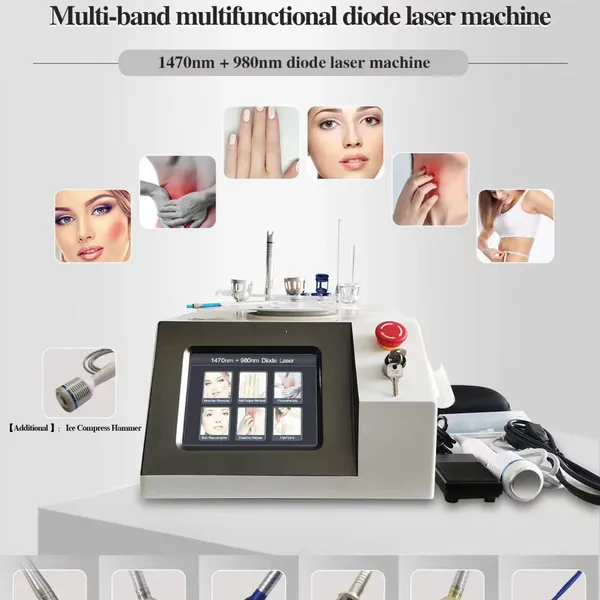
Endolaser Machine for Lipolysis Featuring 980nm and 1470nm WavelengthsUS$ 1700 - 1800MOQ: 1 Unit