
 Business License

Glass Instrument Pressure Burst: Risk Control & Preventive Measures
Introduction
Pressure burst of glass pressure instruments is a serious lab safety hazard. Overpressure, hidden microcracks and wrong assembly may lead to sudden rupture. This article analyzes burst risk and preventive controls for glass pressure lab equipment.
Industry Background & Core Challenges
NIST 2025 laboratory pressure safety guideline shows 69% glass pressure vessel accidents happen under hidden microcrack plus overpressure. Even tiny invisible cracks propagate quickly under internal pressure and cause burst.
Common pain points for B2B buyers:
• Safety accident risk during pressure testing
• Difficult to detect invisible pre-existing microcracks
• Unclear pressure rating limits of imported glass pressure instruments
How to Prevent Glass Instrument Pressure Burst
Root causes
1. Operation pressure exceeds rated maximum working pressure.
2. Undetected microcracks on glass wall before pressurization.
3. Uneven clamping force creates extra mechanical stress.
4. Thermal stress superimposed with internal pressure load.
Practical solutions
• Never exceed marked maximum working pressure.
• Complete visual inspection before every pressure test.
• Apply uniform, moderate clamping force.
• Avoid temperature change while glass vessel is pressurized.
Step-by-step Operation Guide: Pre-check Procedure Before Glass Pressure Instrument Test
(Long-tail keyword: How to inspect glass pressure instrument before pressure experiment to avoid burst)
1. Visually check glass body for chips, scratches and cracks.
2. Confirm pressure rating mark matches experiment requirement.
3. Assemble and tighten clamps evenly, no over-tightening.
4. Increase pressure slowly, do rapid pressurization prohibited.
5. Keep safety shield in place during pressurized experiment.
Real Customer Case
A material research lab in Australia experienced small glass reactor burst incident. Hidden micro-scratches ignored during pre-check plus fast pressure rising. After enforcing pre-use inspection and slow pressurization SOP, zero burst incidents occurred in 12 months.
FAQ
Q1: Can glass pressure vessel work at its maximum rated pressure continuously?
A: Rated max pressure is limit value. Long-term continuous operation should keep working pressure below 70% of max rating.
Q2: Can microcrack be seen by naked eyes?
A: Many microcracks are invisible, strong light inspection is recommended before pressurization.
Q3: Is safety shield mandatory for glass pressure test?
A: Yes, safety shield is required as protection against flying glass fragments.
Conclusion
Glass pressure burst risk can be controlled via pre-inspection and standardized pressurization. Contact Schleina (Guangzhou) Trading Co., Ltd. to get glass pressure instrument specification and safety operation suggestions.
Recently Posted
-
Beauty Device Water Cooling Loop Fault: Overheat & Coolant Circulation Failure
October 30, 2026IntroductionMany high-power beauty devices rely on a water cooling loop to protect internal components. Coolant circulation failur Read More
-
Beauty Equipment Foot Switch Fault: Unresponsive Pedal & Stuck Switch
October 30, 2026IntroductionFoot switches control power and function on many beauty devices. Unresponsive pedals, stuck switches and intermittent Read More
-
Meso Gun / Derma Pen Injection Depth Abnormal: Slow Response & Leakage
October 30, 2026IntroductionMeso gun and derma pen devices deliver serum through microneedling injection. Abnormal injection depth, slow response Read More
-
Cryo Ice Hammer / Cold Hammer Device Weak Cooling: Ice Compress Fault
October 30, 2026IntroductionCryo ice hammer device provides cold compress and skin tightening through a low-temperature tip. Weak cooling, insuffi Read More

Contact Us
Recommended Products
-
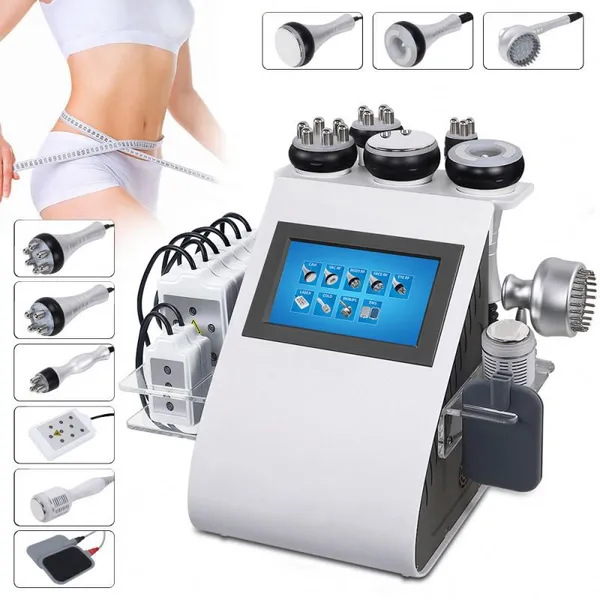
 Customizable Cavitation RF Lipolaser Radio Frequency Slimming Machine With OEM OptionsUS$ 200 - 230MOQ: 1 Unit
-
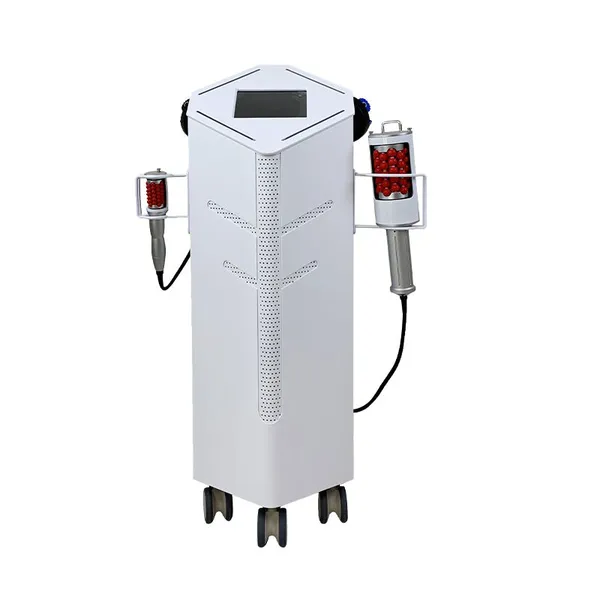
Endosphere Roller Massage Machine With 8 Massage Heads for Body Slimming TherapyUS$ 1200 - 1350MOQ: 1 Unit
-
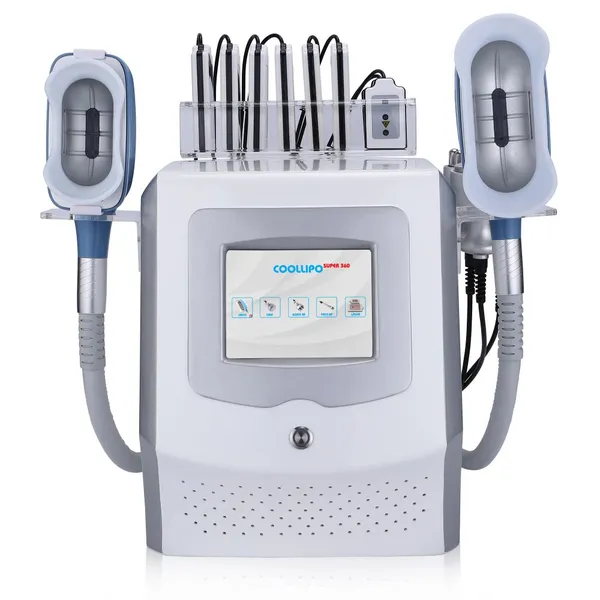
Home Use Anti-Aging and Fat Reduction Device With Cryolipolysis Technology, CE Approved 220VUS$ 1300 - 1500MOQ: 1 Unit
-
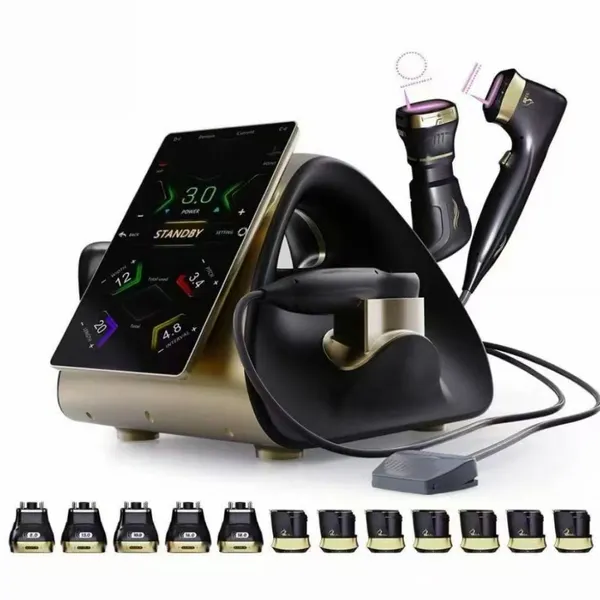
Salon-Grade 22D Max HIFU Device With FDA Cleared Technology for Non-Invasive Ultherapy & Liposonix EffectsUS$ 700 - 800MOQ: 1 Unit
-
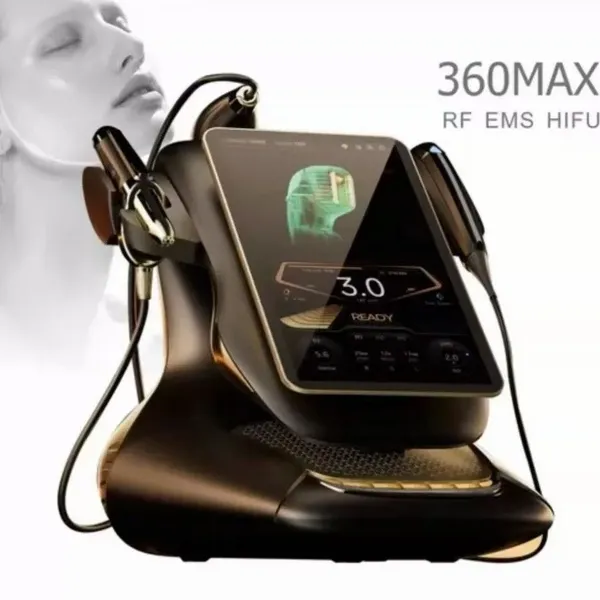
Multi-Technology Facial Device: HIFU, RF, and EMS for Comprehensive Anti-Aging TreatmentsUS$ 1150 - 1250MOQ: 1 Unit
-
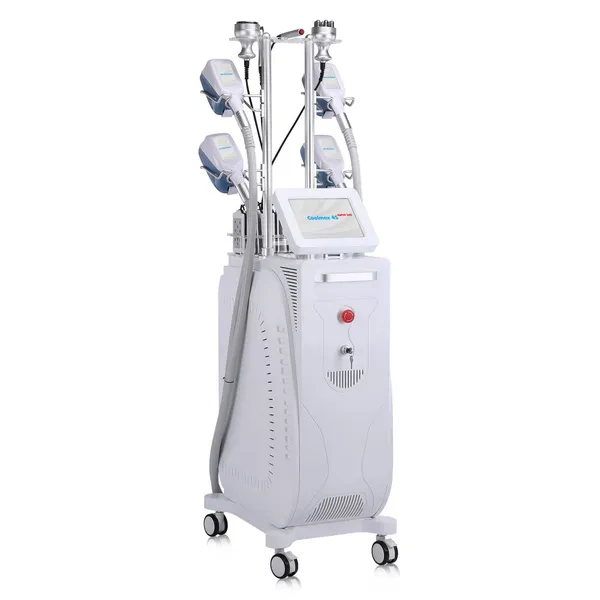
CE/FDA/ROHS Compliant Cryolipolysis Machine With 40K Cavitation & RF for Salon & Spa TreatmentsUS$ 1500 - 1700MOQ: 1 Set
-
CE Marked Cryolipolysis Fat Freezing Apparatus 220V High Cooling Power for Studio Stubborn Fat RemovalUS$ 1500 - 1700MOQ: 1 Unit
-
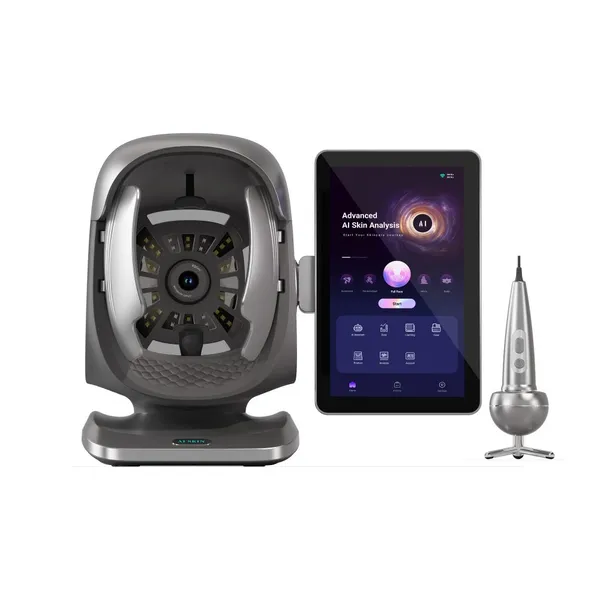
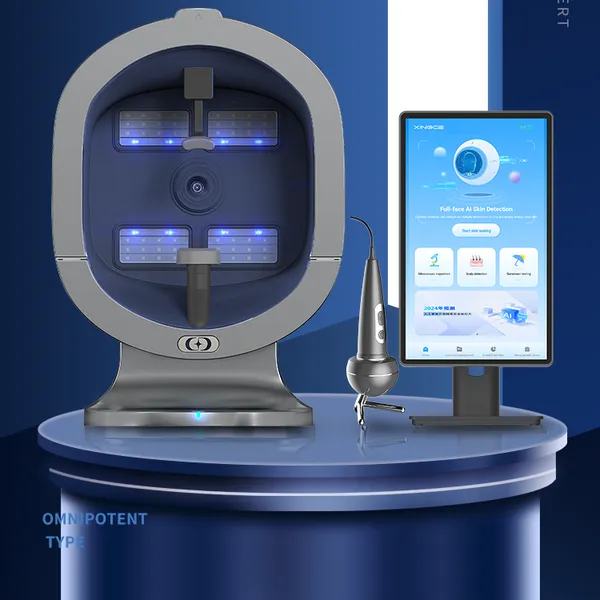
Latest Ai 3D Facial Scanner Skin Analysis Hair & Scalp Analyzer Salon Equipment Factory PriceUS$ 850 - 950MOQ: 1 Unit
-
Latest 22D Ultramax Hifu Machine With Three Handles for Vaginal Rejuvenation Facelift Fat RemovalUS$ 1200 - 1250MOQ: 1 Unit
-
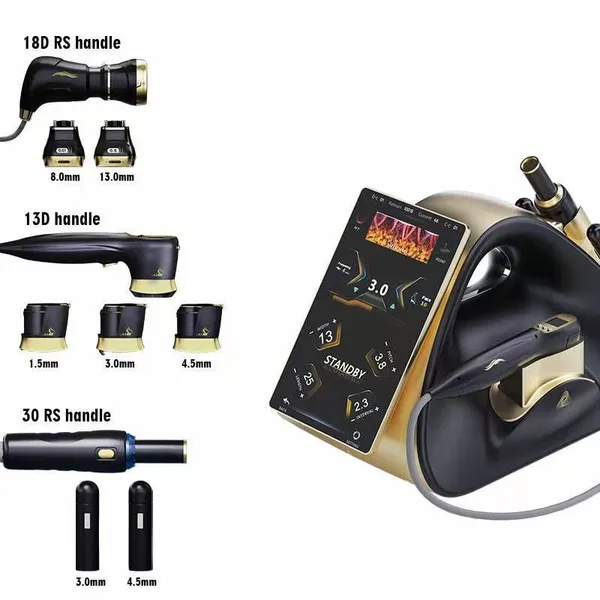
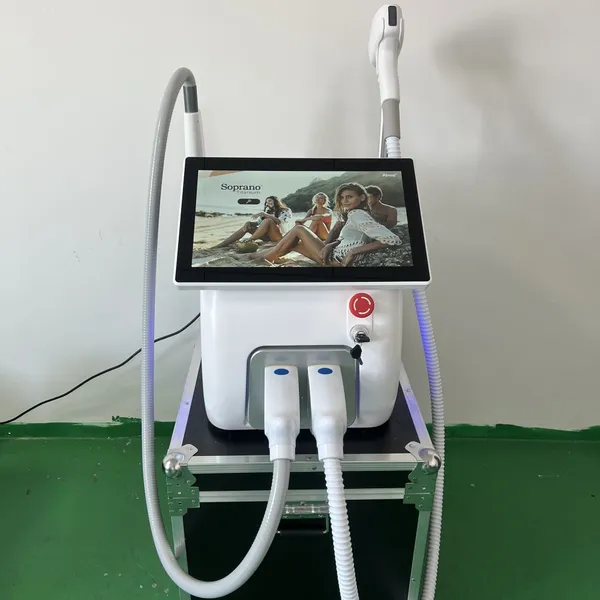
New 2 in 1 ND YAG Laser Three Wavelengths 808nm 755nm 1064nm Diode Laser Permanent Painfree Hair Removal Tattoo Removal MachineUS$ 900 - 950MOQ: 1 Unit
-
6-in-1 Body Shaping Machine With Technical Support and One-Year Warranty for Spa BusinessUS$ 200 - 250MOQ: 1 Unit
-
Venus Legacy Skin Tightening Machine Featuring 6 Applicator Heads for Full BodyUS$ 1600 - 1650MOQ: 1 Unit
-
Onda CoolWave Therapy for Targeted Adipose Tissue ReductionUS$ 1800 - 2000MOQ: 1 Unit
-
Skin Scanner With Scalp Analyzer for Dermatology Clinics and TrainingUS$ 800 - 900MOQ: 1 Unit
-
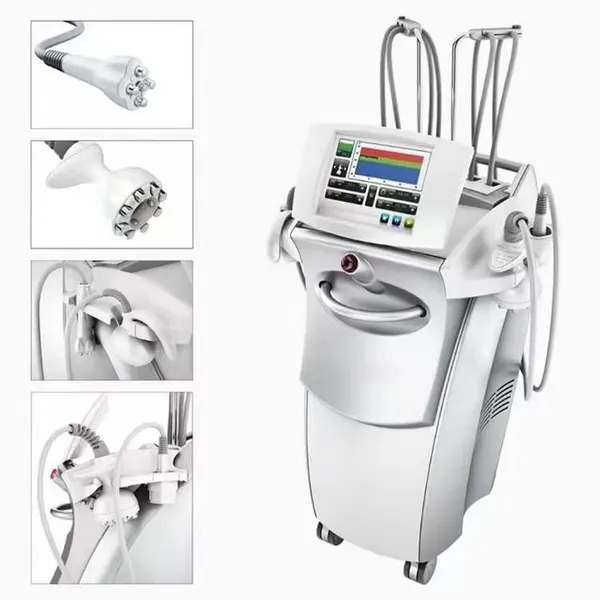
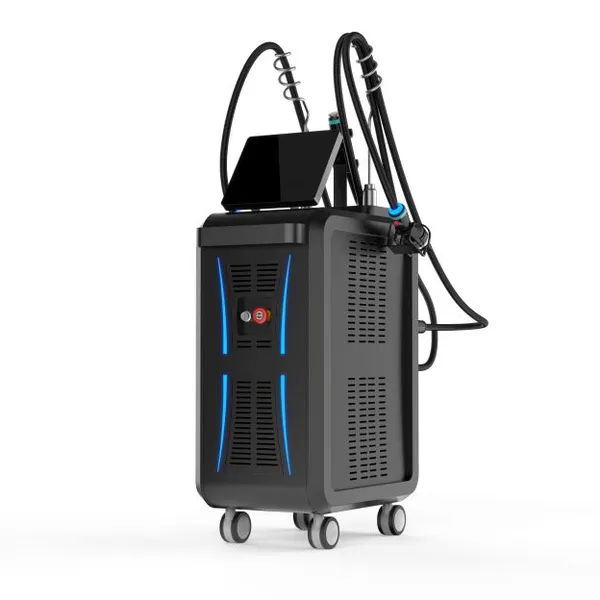
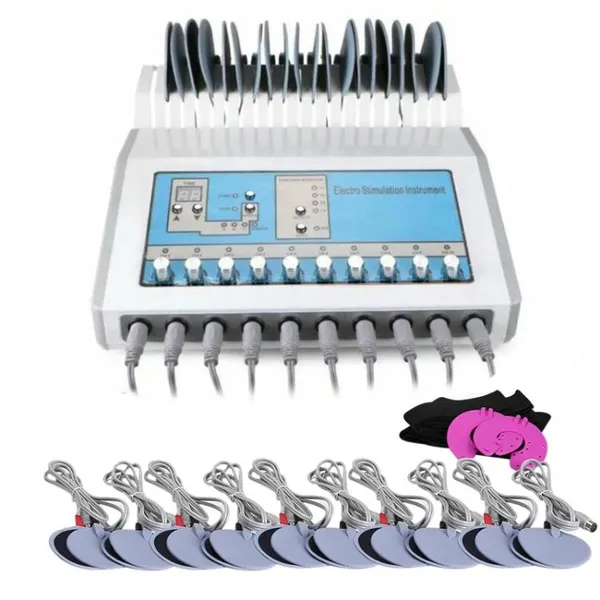
Portable TENS EMS Russian Wave Machine for Home Use With Rechargeable BatteryUS$ 85 - 90MOQ: 1 Unit

-
Industrial-Grade Portable Fractional CO2 Laser With Adjustable Pulse Energy 100-500mJUS$ 1500 - 1800MOQ: 1 Unit
-
6-in-1 Multi-Functional Slimming Equipment for Aesthetic Clinics: RF & Cavitation & UltrasoundUS$ 200 - 250MOQ: 1 Unit
-
Portable Infrared Physiotherapy Unit for Home Use, 50W OutputUS$ 400 - 460MOQ: 1 Unit
-
Industrial Grade Pneumatic Shockwave Machine for Physical Therapy Pain ReliefUS$ 750 - 830MOQ: 1 Unit
-
Endolaser Machine for Lipolysis Featuring 980nm and 1470nm WavelengthsUS$ 1700 - 1800MOQ: 1 Unit