
 Business License

Operator Standard Operation Specification (SOP) to Reduce Man-Made Equipment Failures
Most beauty equipment failures in daily salon operation are not caused by equipment quality problems or natural aging, but by non-standard manual operation. Unreasonable parameter setting, irregular handpiece use, wrong startup and shutdown steps, and random moving of running equipment will cause cumulative damage to precision components. Formulating and implementing unified operator SOP (Standard Operation Procedure) is the most effective way to reduce man-made faults and extend equipment service life. This article sorts out the full set of standard operation specifications for daily use of salon beauty equipment.
Industry Background & Challenges
According to the ISPA 2025 Salon Equipment Maintenance Report, 60% of beauty equipment premature failures are attributed to man-made non-standard operation. Different operators have different usage habits, resulting in inconsistent equipment operation standards. New employees lack systematic training and are prone to misoperation, which brings hidden dangers to equipment safety. For B2B distributors, man-made faults are also the main cause of after-sales warranty disputes.
Core Benefits of Implementing Operator SOP
Standardized operation procedures bring multiple benefits for salon management and equipment protection:
3. Reduce human error and cut down man-caused equipment breakdowns significantly
4. Unify operation habits of all technicians, avoid inconsistent parameter adjustment
5. Lower warranty disputes between distributors and salon clients
6. Protect precision internal parts from improper operation damage
7. Shorten new staff training cycle and reduce operation learning cost
Full Set of Standard Operation SOP for Beauty Equipment
Long-tail keyword: What SOP should salon technicians follow to avoid man-made damage to beauty machines
• Pre-operation inspection: Check power supply, cable integrity, handpiece appearance, liquid level and filter status before powering on. Do not start the machine if any abnormality is found.
• Standard startup sequence: Check all connections, turn on the main power, wait for system self-check to complete, and then set treatment parameters step by step. Never skip the self-check process.
• Parameter setting rules: Start from low energy level for each new client. Adjust parameters gradually according to customer feedback; do not directly set maximum power blindly.
• Handpiece operation norms: Avoid heavy impact, pulling or twisting handpiece cables during treatment. Do not drag the handpiece on the client’s skin with excessive pressure.
• In-use monitoring: Watch equipment real-time prompts during treatment. Stop operation immediately once warning messages, strange noise or abnormal heat occurs.
2. Post-treatment steps: Reduce energy output to zero, exit treatment program, follow formal shutdown sequence. Clean probes and handpieces before storage.
3. Machine moving rules: Never move the equipment when powered on. Empty water tanks first for water-type devices before relocation to prevent liquid spillage.
4. Record keeping: Log each treatment, equipment status and abnormal phenomenon in the daily operation log for traceability.
Real Client Case
A beauty chain in Malaysia had high equipment damage rate due to frequent staff turnover and irregular operation. After rolling out Schleina’s unified operator SOP and regular training, man-made failures dropped by 82%. Warranty-related complaints were greatly reduced, and the service life of all equipment increased obviously.
FAQ
Q1: Is it necessary to write down SOP and post it beside each machine?A: Yes. Printed SOP posted next to the device helps technicians check operation steps at any time, especially for new employees. Regular training and assessment are also required.
Q2: Can experienced technicians skip pre-operation inspection?
A: No. Even senior beauticians must complete pre-use inspection every time. Hidden faults such as internal line wear cannot be identified by experience alone.
Q3: What is the most common man-made fault in salons?
A: Blindly raising energy parameters, pulling handpiece wires and shutting down the machine directly by cutting off power instead of following the normal shutdown process.
Conclusion
Standard operation SOP is the first line of defense to prevent man-made damage of aesthetic devices. A complete, executable operation manual can effectively reduce unnecessary faults and after-sales conflicts. Schleina (Guangzhou) Trading Co., Ltd provides customized SOP documents and online training courses for global salons and distributors, helping clients standardize team operation and protect equipment investment.
Recently Posted
-
Risk of Ignoring Grounding and Environment Requirement for High-power Beauty Salon Devices
October 12, 2026High-power beauty devices including diode laser, cryolipolysis and multi-functional RF machines have strict requirement for site g Read More
 -
How to Evaluate After-sales Technical Team Strength of Beauty Machine Manufacturer
October 12, 2026Many buyers only pay attention to product price and appearance, ignoring the scale and professional capability of manufacturer' Read More
 -
Hidden Risks of Using Copy-Paste Marketing Contents for Beauty Machine Promotion
October 12, 2026Many beauty equipment distributors directly copy supplier-provided marketing pictures, videos and text for local website and socia Read More
 -
How to Distinguish OEM Service from ODM Service for Beauty Equipment Sourcing
October 12, 2026Many global buyers confuse OEM and ODM when custom-ordering beauty salon machines. Misunderstanding these two modes often leads to Read More

Contact Us
Recommended Products
-
 Customizable Cavitation RF Lipolaser Radio Frequency Slimming Machine With OEM OptionsUS$ 200 - 230MOQ: 1 Unit
 -
Endosphere Roller Massage Machine With 8 Massage Heads for Body Slimming TherapyUS$ 1200 - 1350MOQ: 1 Unit
-
Home Use Anti-Aging and Fat Reduction Device With Cryolipolysis Technology, CE Approved 220VUS$ 1300 - 1500MOQ: 1 Unit
-
Salon-Grade 22D Max HIFU Device With FDA Cleared Technology for Non-Invasive Ultherapy & Liposonix EffectsUS$ 700 - 800MOQ: 1 Unit
-
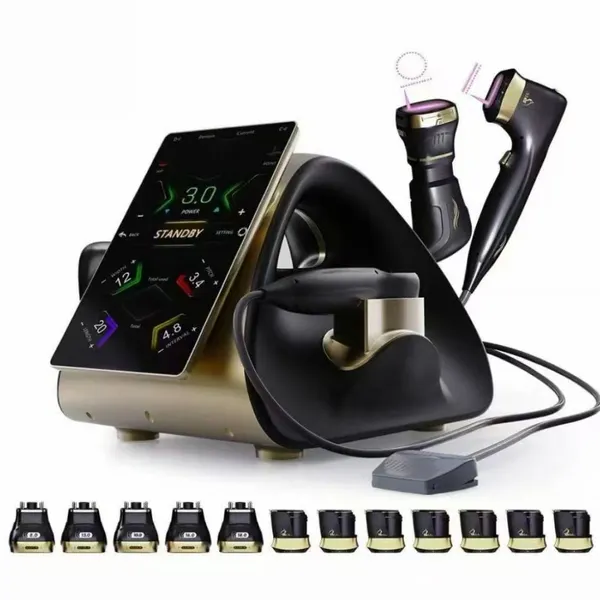
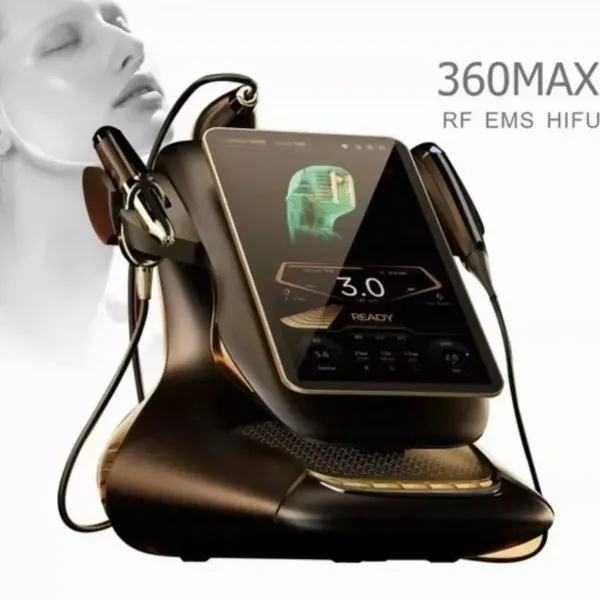
Multi-Technology Facial Device: HIFU, RF, and EMS for Comprehensive Anti-Aging TreatmentsUS$ 1150 - 1250MOQ: 1 Unit
-
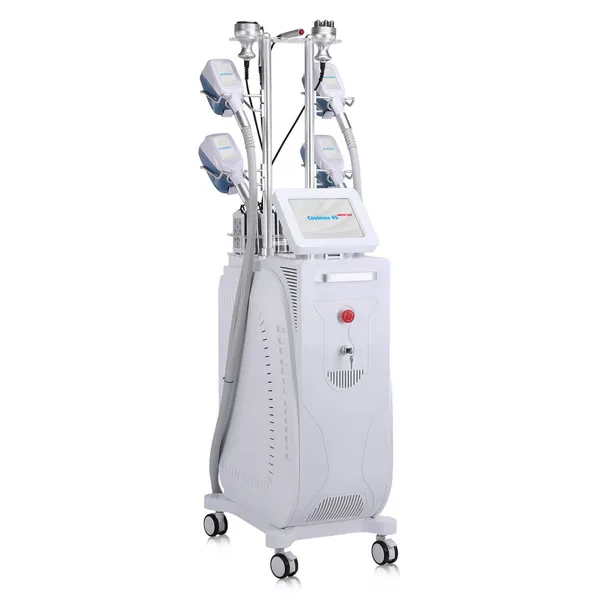
CE/FDA/ROHS Compliant Cryolipolysis Machine With 40K Cavitation & RF for Salon & Spa TreatmentsUS$ 1500 - 1700MOQ: 1 Set
-
CE Marked Cryolipolysis Fat Freezing Apparatus 220V High Cooling Power for Studio Stubborn Fat RemovalUS$ 1500 - 1700MOQ: 1 Unit
-
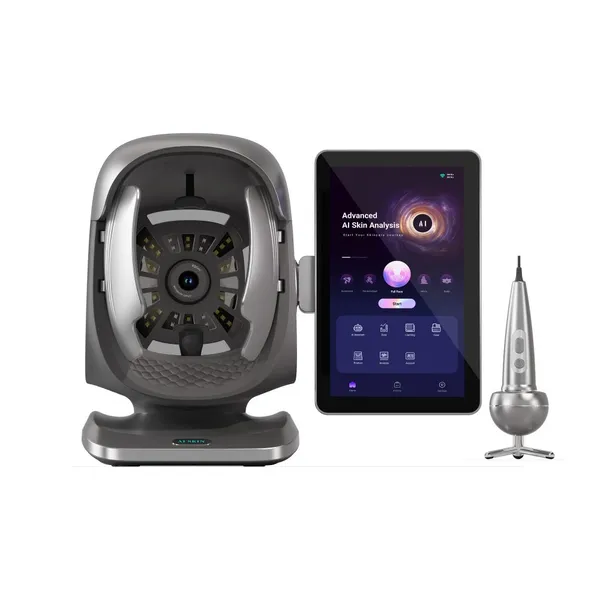
Latest Ai 3D Facial Scanner Skin Analysis Hair & Scalp Analyzer Salon Equipment Factory PriceUS$ 850 - 950MOQ: 1 Unit
-
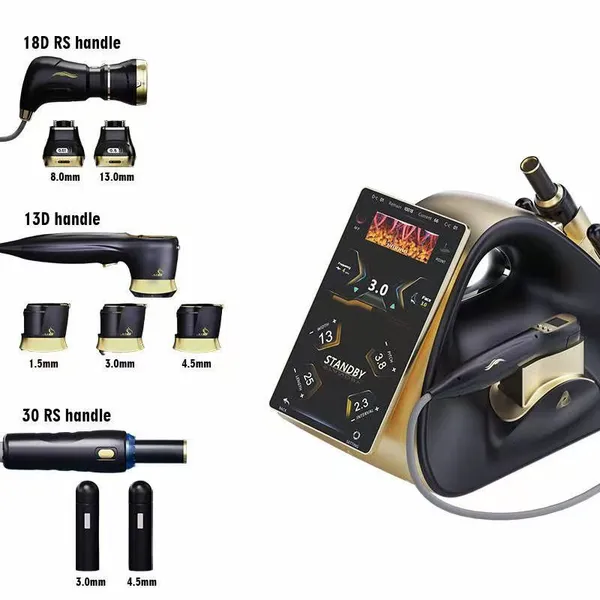
Latest 22D Ultramax Hifu Machine With Three Handles for Vaginal Rejuvenation Facelift Fat RemovalUS$ 1200 - 1250MOQ: 1 Unit
-
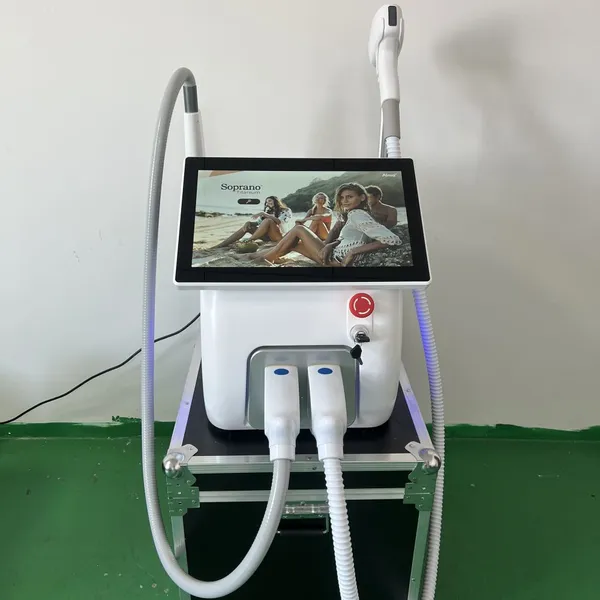
New 2 in 1 ND YAG Laser Three Wavelengths 808nm 755nm 1064nm Diode Laser Permanent Painfree Hair Removal Tattoo Removal MachineUS$ 900 - 950MOQ: 1 Unit
-
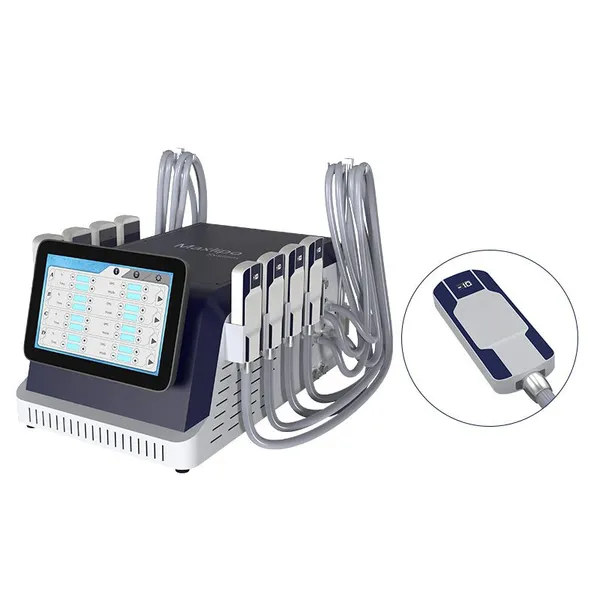
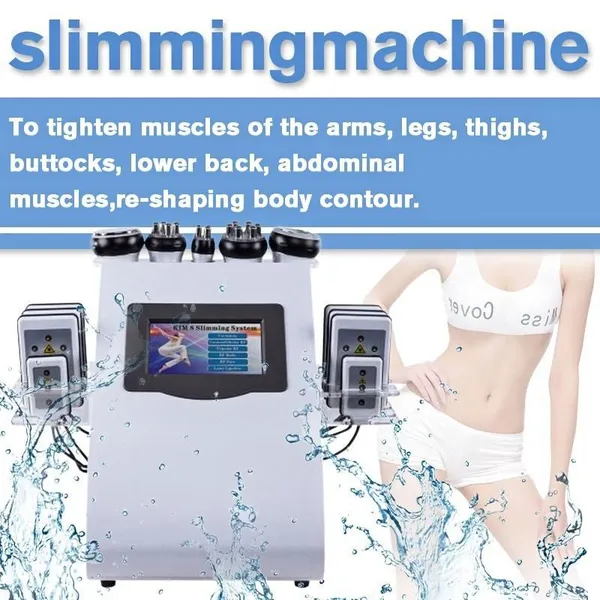
6-in-1 Body Shaping Machine With Technical Support and One-Year Warranty for Spa BusinessUS$ 200 - 250MOQ: 1 Unit
-
Venus Legacy Skin Tightening Machine Featuring 6 Applicator Heads for Full BodyUS$ 1600 - 1650MOQ: 1 Unit
-
Onda CoolWave Therapy for Targeted Adipose Tissue ReductionUS$ 1800 - 2000MOQ: 1 Unit
-
Skin Scanner With Scalp Analyzer for Dermatology Clinics and TrainingUS$ 800 - 900MOQ: 1 Unit
-
Portable TENS EMS Russian Wave Machine for Home Use With Rechargeable BatteryUS$ 85 - 90MOQ: 1 Unit
-
Industrial-Grade Portable Fractional CO2 Laser With Adjustable Pulse Energy 100-500mJUS$ 1500 - 1800MOQ: 1 Unit
-
6-in-1 Multi-Functional Slimming Equipment for Aesthetic Clinics: RF & Cavitation & UltrasoundUS$ 200 - 250MOQ: 1 Unit
-
Portable Infrared Physiotherapy Unit for Home Use, 50W OutputUS$ 400 - 460MOQ: 1 Unit
-
Industrial Grade Pneumatic Shockwave Machine for Physical Therapy Pain ReliefUS$ 750 - 830MOQ: 1 Unit
-
Endolaser Machine for Lipolysis Featuring 980nm and 1470nm WavelengthsUS$ 1700 - 1800MOQ: 1 Unit