
 Business License

Beauty Equipment Circuit Burnout: Short Circuit & Overcurrent Troubleshooting Guide
Introduction
Circuit burnout is one of the most destructive faults of professional beauty equipment, often caused by short circuit, overcurrent, voltage surge and liquid ingress. Once the circuit board burns out, the whole device will stop working, affecting normal salon operation and causing economic losses. This article analyzes the core causes of beauty equipment circuit burnout and provides standardized troubleshooting and preventive solutions for B2B beauty salon purchasers and equipment operators.
Industry Background & Core Challenges
According to the 2025 CIDESCO international beauty equipment failure report, 72% of beauty salon equipment shutdown accidents are related to circuit burnout. Liquid splashing, unstable commercial power, mismatched voltage and aging circuit components are the main inducing factors. Unlike industrial instruments, beauty equipment is used in humid salon environments, making circuit short-circuit risks far higher than ordinary equipment.
Common pain points for B2B buyers:
• Sudden circuit burnout leads to equipment shutdown, suspending customer beauty projects
• Circuit board replacement and maintenance costs are high, with long spare part delivery cycles
• Improper post-fault inspection causes secondary short circuit and permanent equipment damage
How to Solve Beauty Equipment Circuit Burnout Fault
Root causes
2. Humid salon environment, skin care liquid and cleaning water ingress trigger circuit short circuit.
3. Mains voltage surge, instantaneous overcurrent caused by simultaneous operation of multiple high-power beauty devices.
4. Wrong input voltage access or non-matching power adapter use.
5. Long-term high-frequency use leads to aging of circuit components and wire insulation damage.
Practical solutions
• Standardize equipment placement, keep away from water tables and liquid operation areas to avoid liquid splashing.
• Install special voltage stabilizer and surge protector for beauty equipment to stabilize power supply.
• Use original matching power adapters strictly, prohibit mixed use of different specification adapters.
• Regularly inspect circuit lines and aging components, replace damaged wires in time.
Step-by-step Operation Guide: Circuit Burnout Fault Inspection & Repair
(Long-tail keyword: How to prevent and troubleshoot short circuit burnout of professional salon beauty equipment)
6. Cut off the total power supply immediately when smoke, burnt odor or automatic power-off occurs, and prohibit repeated power-on test.
7. Wait for the equipment to fully discharge, open the shell to visually check for circuit board burning, carbonization and wire melting.
8. Use a multimeter to detect short circuit points of power circuit and load circuit, and confirm fault location.
9. Clean liquid residue and dust inside the equipment, replace burned components and damaged circuits.
10. After maintenance, conduct no-load power-on test to confirm normal operation before formal use.
Real Customer Case
A comprehensive beauty salon in Vietnam suffered frequent low-power circuit burnout of multi-functional skin management equipment. Multiple high-power devices were connected to the same power strip, and liquid splashing caused line leakage. After configuring independent voltage stabilizers for high-power equipment and standardizing equipment placement isolation, circuit burnout faults were completely eliminated, and equipment maintenance costs were reduced by 71%.
FAQ
Q1: Can slightly burned beauty equipment circuit board be repaired?
A: Local component burning can be repaired by replacing parts; if the circuit board copper foil is carbonized in a large area, the circuit board needs to be replaced as a whole.
Q2: Is a voltage stabilizer necessary for beauty salon equipment?
A: Yes. Beauty equipment such as radio frequency and laser devices have high power stability requirements, and voltage stabilizers can effectively avoid surge burnout.
Q3: How often should beauty equipment circuits be inspected?
A: High-frequency used salon equipment is recommended to conduct a full circuit inspection every 3 months.
Conclusion
Standard power management, dry working environment and regular circuit inspection can effectively avoid beauty equipment circuit burnout. Contact Schleina (Guangzhou) Trading Co., Ltd. to obtain professional beauty equipment power matching scheme and maintenance guidance.
Recently Posted
-
Risk of Ignoring Grounding and Environment Requirement for High-power Beauty Salon Devices
October 12, 2026High-power beauty devices including diode laser, cryolipolysis and multi-functional RF machines have strict requirement for site g Read More
 -
How to Evaluate After-sales Technical Team Strength of Beauty Machine Manufacturer
October 12, 2026Many buyers only pay attention to product price and appearance, ignoring the scale and professional capability of manufacturer' Read More
 -
Hidden Risks of Using Copy-Paste Marketing Contents for Beauty Machine Promotion
October 12, 2026Many beauty equipment distributors directly copy supplier-provided marketing pictures, videos and text for local website and socia Read More
 -
How to Distinguish OEM Service from ODM Service for Beauty Equipment Sourcing
October 12, 2026Many global buyers confuse OEM and ODM when custom-ordering beauty salon machines. Misunderstanding these two modes often leads to Read More

Contact Us
Recommended Products
-
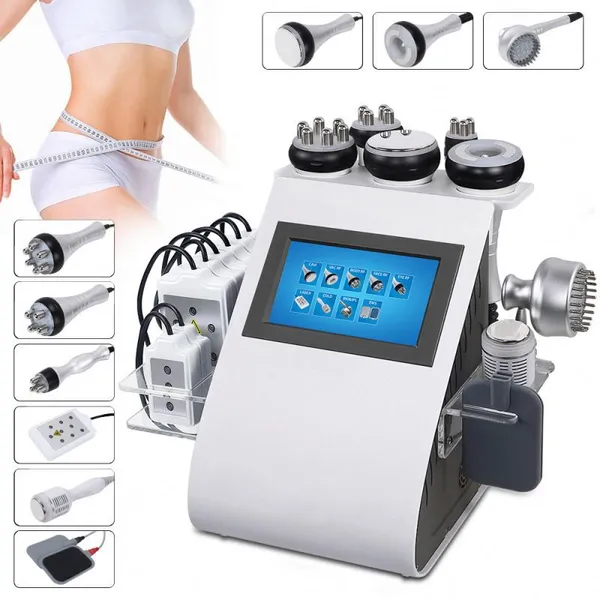
 Customizable Cavitation RF Lipolaser Radio Frequency Slimming Machine With OEM OptionsUS$ 200 - 230MOQ: 1 Unit
 -
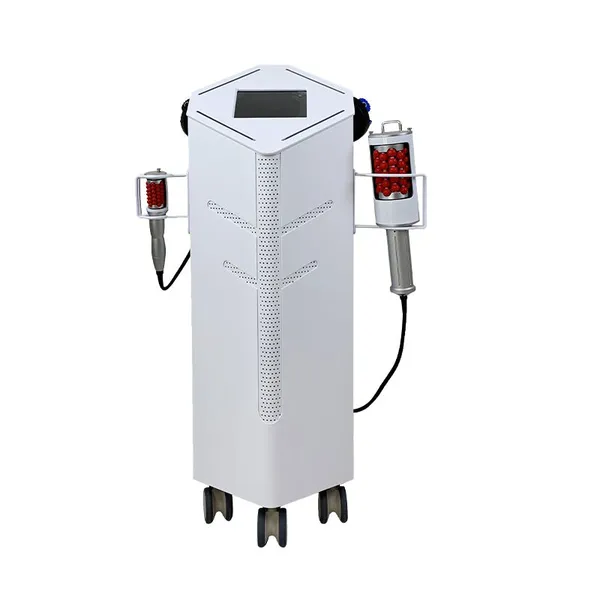
Endosphere Roller Massage Machine With 8 Massage Heads for Body Slimming TherapyUS$ 1200 - 1350MOQ: 1 Unit
-
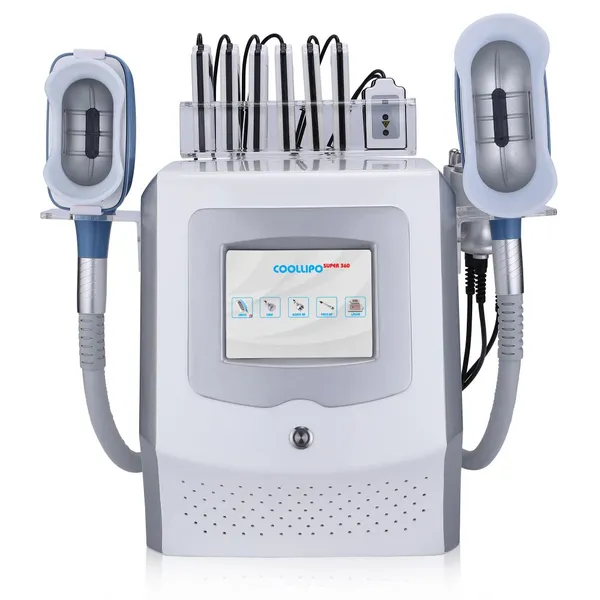
Home Use Anti-Aging and Fat Reduction Device With Cryolipolysis Technology, CE Approved 220VUS$ 1300 - 1500MOQ: 1 Unit
-
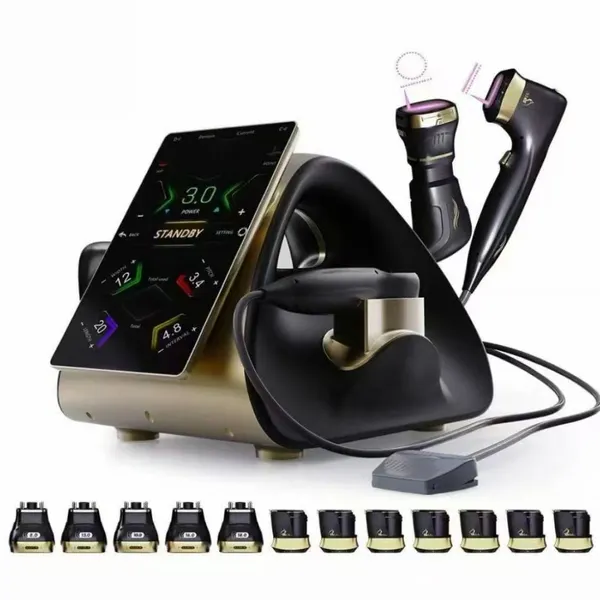
Salon-Grade 22D Max HIFU Device With FDA Cleared Technology for Non-Invasive Ultherapy & Liposonix EffectsUS$ 700 - 800MOQ: 1 Unit
-
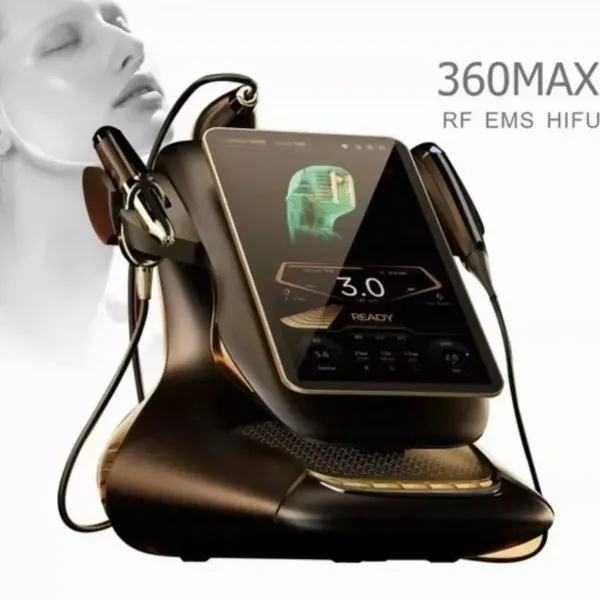
Multi-Technology Facial Device: HIFU, RF, and EMS for Comprehensive Anti-Aging TreatmentsUS$ 1150 - 1250MOQ: 1 Unit
-
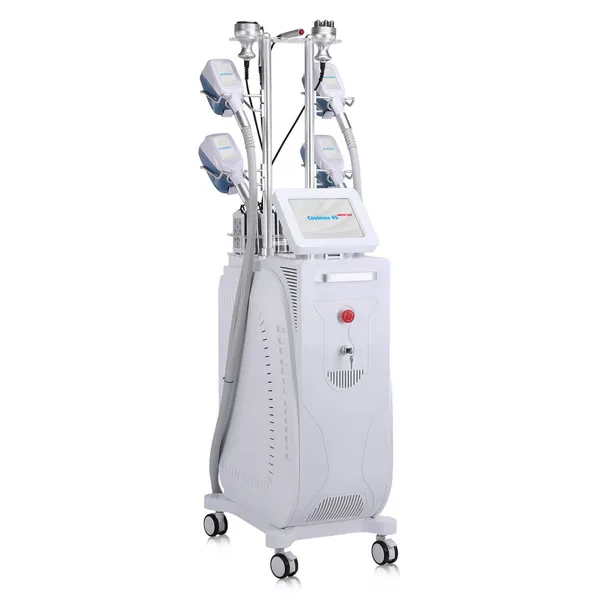
CE/FDA/ROHS Compliant Cryolipolysis Machine With 40K Cavitation & RF for Salon & Spa TreatmentsUS$ 1500 - 1700MOQ: 1 Set
-
CE Marked Cryolipolysis Fat Freezing Apparatus 220V High Cooling Power for Studio Stubborn Fat RemovalUS$ 1500 - 1700MOQ: 1 Unit
-
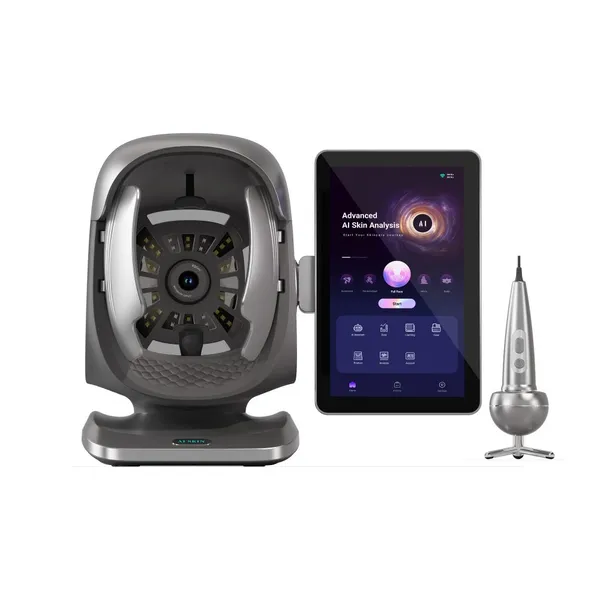
Latest Ai 3D Facial Scanner Skin Analysis Hair & Scalp Analyzer Salon Equipment Factory PriceUS$ 850 - 950MOQ: 1 Unit
-
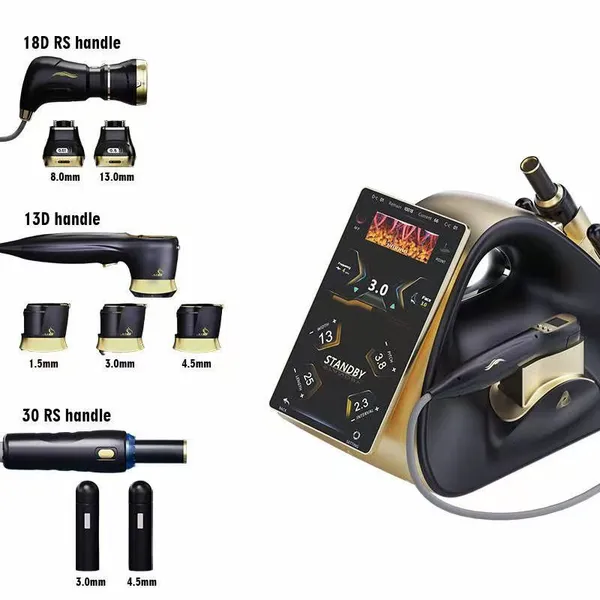
Latest 22D Ultramax Hifu Machine With Three Handles for Vaginal Rejuvenation Facelift Fat RemovalUS$ 1200 - 1250MOQ: 1 Unit
-
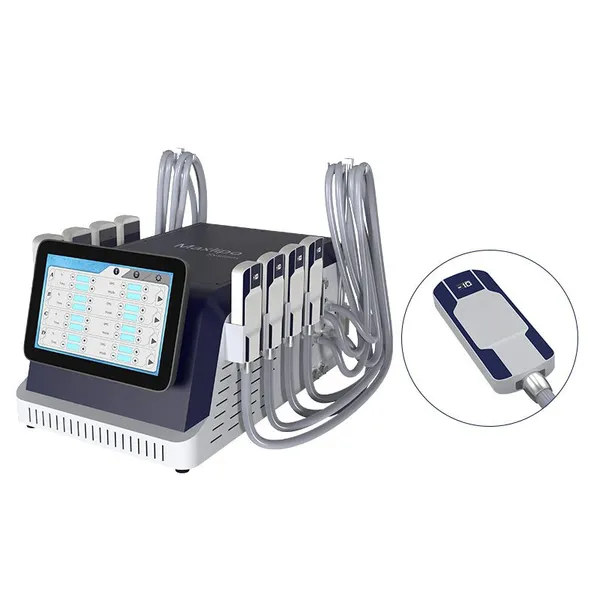
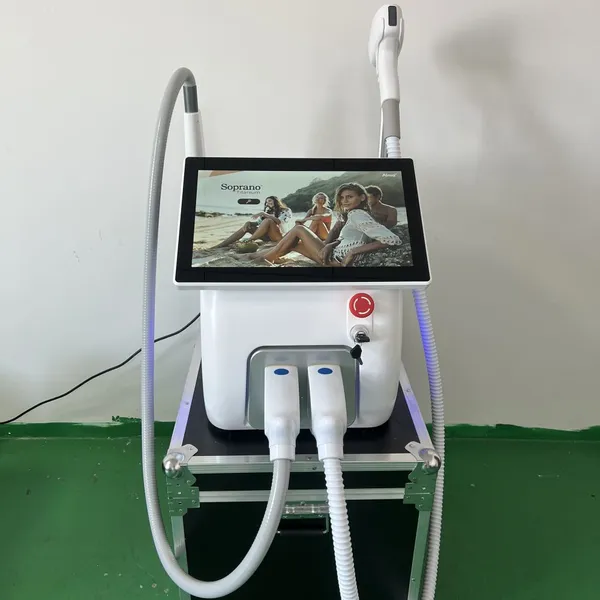
New 2 in 1 ND YAG Laser Three Wavelengths 808nm 755nm 1064nm Diode Laser Permanent Painfree Hair Removal Tattoo Removal MachineUS$ 900 - 950MOQ: 1 Unit
-
6-in-1 Body Shaping Machine With Technical Support and One-Year Warranty for Spa BusinessUS$ 200 - 250MOQ: 1 Unit
-
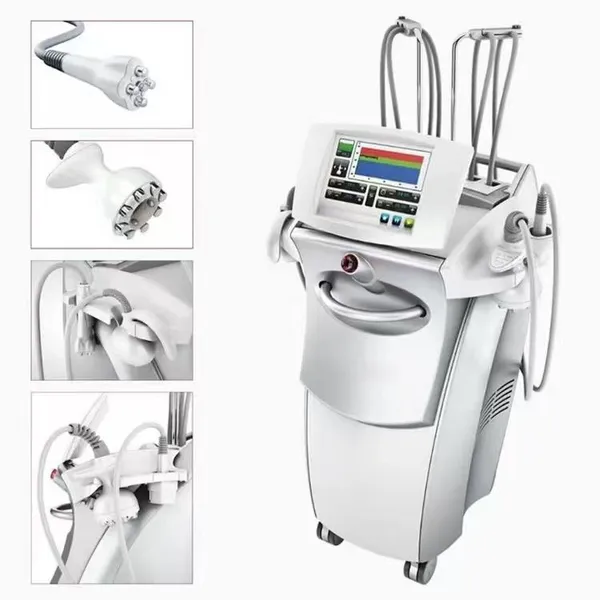
Venus Legacy Skin Tightening Machine Featuring 6 Applicator Heads for Full BodyUS$ 1600 - 1650MOQ: 1 Unit
-
Onda CoolWave Therapy for Targeted Adipose Tissue ReductionUS$ 1800 - 2000MOQ: 1 Unit
-
Skin Scanner With Scalp Analyzer for Dermatology Clinics and TrainingUS$ 800 - 900MOQ: 1 Unit
-
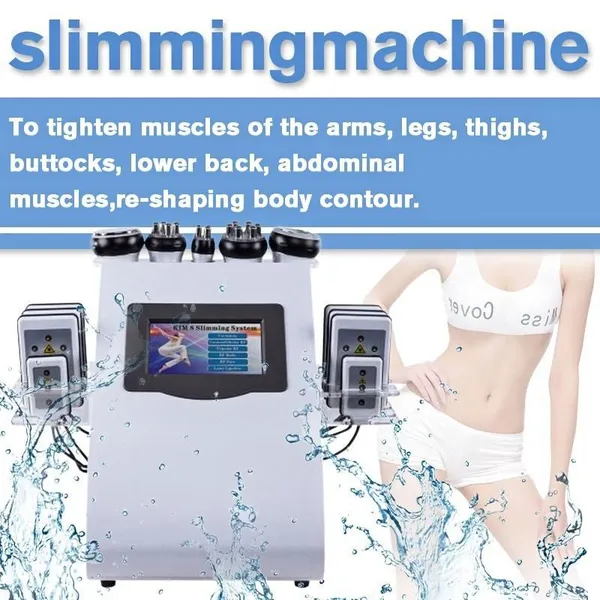
Portable TENS EMS Russian Wave Machine for Home Use With Rechargeable BatteryUS$ 85 - 90MOQ: 1 Unit
-
Industrial-Grade Portable Fractional CO2 Laser With Adjustable Pulse Energy 100-500mJUS$ 1500 - 1800MOQ: 1 Unit
-
6-in-1 Multi-Functional Slimming Equipment for Aesthetic Clinics: RF & Cavitation & UltrasoundUS$ 200 - 250MOQ: 1 Unit
-
Portable Infrared Physiotherapy Unit for Home Use, 50W OutputUS$ 400 - 460MOQ: 1 Unit
-
Industrial Grade Pneumatic Shockwave Machine for Physical Therapy Pain ReliefUS$ 750 - 830MOQ: 1 Unit
-
Endolaser Machine for Lipolysis Featuring 980nm and 1470nm WavelengthsUS$ 1700 - 1800MOQ: 1 Unit