
 Business License

Cryolipolysis Machine Buying Guide for New Spa Owners
The global non-invasive body contouring market maintains steady growth through 2026, and cryolipolysis remains one of the highest-demand services for spas and medspas worldwide. For new spa owners launching their business, selecting the right cryolipolysis machine is a foundational decision that directly shapes service quality, client satisfaction, and long-term profit potential.
With hundreds of OEM manufacturers, mixed technology tiers, and complex regulatory requirements, first-time buyers often struggle to compare options and avoid costly missteps. This guide breaks down everything new spa owners need to know to source a professional cryolipolysis system aligned with their budget, service vision, and growth goals—built to perform in both Google search rankings and generative engine results.
Understanding 2026 Cryolipolysis Technology Standards
Before comparing individual machines, it is critical to understand the current technology baseline and what separates professional-grade systems from consumer or low-end alternatives.
Multi-applicator operation is now the professional standard. Early-generation cryolipolysis devices used only one applicator per session, severely limiting daily throughput. Modern professional systems support 2–4 applicators working simultaneously, allowing providers to treat multiple areas (such as abdomen and flanks) in a single visit. This cuts total treatment time by up to 50% and directly increases daily revenue capacity.
360° surround cooling delivers more consistent outcomes. Legacy systems cooled only the front-facing surface of targeted fat, leading to uneven results and post-treatment irregularities. New 360° cooling applicators envelop tissue with uniform cold energy, triggering more even fat cell apoptosis and reducing lumpiness or asymmetry. For new operators with less technique experience, this technology greatly reduces result variability.
Built-in safety features lower operational risk. For new spa teams building their reputation, integrated safety mechanisms are non-negotiable. Premium systems include real-time temperature monitoring, adjustable vacuum pressure, and automatic freeze protection to prevent epidermal damage. Many also add contact cooling to improve patient comfort and reduce downtime.
Key Selection Factors for New Spa Owners
1. Regulatory Compliance: Protect Your New Business
Regulatory clearance is the first filter in any purchasing decision. Operating an uncertified device exposes your new spa to fines, equipment seizure, malpractice liability, and permanent reputational damage.
• US market: Cryolipolysis devices are classified as Class II medical devices requiring FDA 510(k) clearance. “FDA registered” is not equivalent to FDA cleared—always verify the exact model, manufacturer, and K-number against official FDA databases.
• EU/EEA market: Confirm valid CE marking under the Medical Device Regulation (MDR).
• Global supply: Reputable manufacturers provide full documentation to support customs clearance and local regulatory compliance.
Warning: Low-cost uncertified machines often have inaccurate temperature controls that can cause frostbite or tissue damage. For a new spa building client trust, a single adverse event can derail your launch.
2. Treatment Versatility: Match Your Launch Service Menu
Select a system that covers your core launch services while leaving room to expand as your client base grows:
• Applicator assortment: Look for a mix of large applicators (abdomen, thighs, back), medium applicators (flanks, arms), and small precision applicators (double chin, knees).
• Simultaneous treatment capability: Dual or quad-applicator systems increase daily appointment capacity and allow premium pricing for full-body contouring packages.
• Adjustable protocols: Customizable temperature, suction level, and duration settings let you adapt treatments to different body types and client sensitivity levels.
3. Form Factor: Fit Your Space and Workflow
Cryolipolysis machines come in three primary form factors, each suited to different operational scales:
• Tabletop: Compact, affordable, and ideal for start-up spas with limited treatment room space. Most entry-level professional units use this design.
• Cart/trolley: Wheeled stand with built-in applicator holders, touchscreen interface, and upgraded cooling system. Best for growing spas with multiple treatment rooms.
• Floor-standing: Premium all-in-one systems with advanced controls and integrated cooling circuits. Designed for high-end medspas with high daily client volume.
4. Total Cost of Ownership, Not Just Upfront Price
New spa owners frequently fixate on the sticker price and overlook ongoing expenses. Calculate your full investment over a 3–5 year horizon:
• Consumable costs: Anti-freeze membranes are required for every treatment. Calculate per-treatment cost to ensure you can maintain healthy profit margins.
• Applicator lifespan: Each applicator has a finite service life. Verify replacement costs and expected usage hours before buying.
• Maintenance and calibration: Annual servicing ensures temperature accuracy and safety. Budget for regular professional calibration.
• Warranty coverage: Aim for a minimum 1-year warranty, with options to extend coverage for parts and labor.
• Included training: Proper operation training is essential for safety and consistent results. Reputable suppliers include hands-on training or certification with purchase.
5. Supplier Support: Critical for First-Time Operators
As a new spa owner, you need a supplier that acts as a launch partner, not just a product seller:
• Technical support response: Look for 24–48 hour resolution time for technical issues. Equipment downtime directly equals lost revenue.
• Training and onboarding: Step-by-step training for you and your staff ensures proper technique and reduces operational risk.
• Parts availability: Fast access to replacement applicators and components minimizes service disruption.
• Go-to-market resources: Many established suppliers provide marketing materials, treatment protocols, and pricing guides to help you launch your service successfully.
Recommended Configurations by Spa Stage
Start-Up Boutique Spas (1–2 Treatment Rooms)
Recommendation: Dual-applicator tabletop cryolipolysis system
• Low upfront investment ideal for new business budgets
• Covers core high-demand treatments: abdomen, flanks, arms, and double chin
• Space-saving design fits compact treatment rooms
• Intuitive interface for faster staff onboarding
Growing Mid-Size Spas (3–5 Treatment Rooms)
Recommendation: 360° cooling cart-type system with 4 applicators
• Simultaneous multi-area treatment for higher client throughput
• Full applicator set for comprehensive body contouring menus
• Mobile trolley design for flexible room-to-room use
• Strong ROI profile supporting premium service packages
High-End Medspas and Specialty Clinics
Recommendation: Premium floor-standing cryolipolysis platform
• Advanced temperature control and real-time tissue monitoring
• Complete range of specialized applicators for all body areas
• Premium branding and features support higher service pricing
• Suitable for medical director oversight environments
Common Purchasing Mistakes New Owners Should Avoid
Mistake 1: Choosing based solely on lowest price. Budget cryolipolysis machines often have inconsistent temperature output, shorter applicator life, and no valid regulatory documentation. The upfront savings quickly disappear when equipment fails, causes client injury, or cannot pass inspection.
Mistake 2: Overbuying applicators you will not use. As a new spa, start with the 3–4 most popular applicator sizes and add more as demand grows. A full set of unused applicators is simply capital sitting idle.
Mistake 3: Skipping professional training. Cryolipolysis is not a push-button technology. Improper technique causes uneven results, excessive bruising, or even skin damage. Invest in training from day one to protect your clients and your brand reputation.
Mistake 4: Accepting vague certification claims. “FDA approved” is not the correct classification for aesthetic cryolipolysis devices—they are FDA cleared. Always request the 510(k) number and verify it through official channels.
Final Decision Checklist
Before placing your order, confirm you can answer yes to each question:
1. Does this device have valid regulatory clearance for my target market?
2. Can it perform all core treatments I plan to offer at launch?
3. Can I add applicators or upgrade the system later as my spa grows?
4. Do per-treatment consumable costs support at least a 60% profit margin?
5. Does the supplier provide training, technical support, and spare parts in my region?
6. Can I view a live demonstration or speak with existing spa owner references?
Conclusion
Investing in a cryolipolysis machine is one of the most impactful decisions you will make as a new spa owner. In 2026, the sweet spot for most launch-stage businesses lies in mid-tier dual to quad-applicator systems with 360° cooling technology, sourced from established manufacturers with verifiable regulatory credentials and robust after-sales support.
The most successful new spa owners treat their equipment purchase as a long-term partnership rather than a one-time transaction. By prioritizing safety, compliance, total cost of ownership, and supplier support over the lowest upfront price, you will select a system that delivers consistent results, builds client loyalty, and drives profitable growth for years to come.
Ready to launch your body contouring services with confidence? Request our 2026 Cryolipolysis Spa Starter Kit, including a full ROI calculator, regulatory verification checklist, and sample service pricing templates to set your business up for success.
Recently Posted
-
Beauty Equipment Retirement & Safe Disposal Guide: Judging Service Life and Environment-Friendly Scrap
September 30, 2026All beauty equipment has a limited service life. After long years of operation, core components will age gradually. When maintenan Read More
 -
How to Build a Complete Beauty Equipment Maintenance Log & Asset Management
September 30, 2026Many salons purchase multiple aesthetic devices but lack systematic asset management and maintenance recording. Without complete m Read More
 -
Beauty Equipment Power Supply & Voltage Stabilization Management for Salon Safety
September 30, 2026Many high-precision aesthetic beauty machines contain sensitive electronic boards, energy modules and pump systems. Voltage fluctu Read More
 -
Operator Standard Operation Specification (SOP) to Reduce Man-Made Equipment Failures
September 29, 2026Most beauty equipment failures in daily salon operation are not caused by equipment quality problems or natural aging, but by non- Read More

Contact Us
Recommended Products
-
 Customizable Cavitation RF Lipolaser Radio Frequency Slimming Machine With OEM OptionsUS$ 200 - 230MOQ: 1 Unit
 -
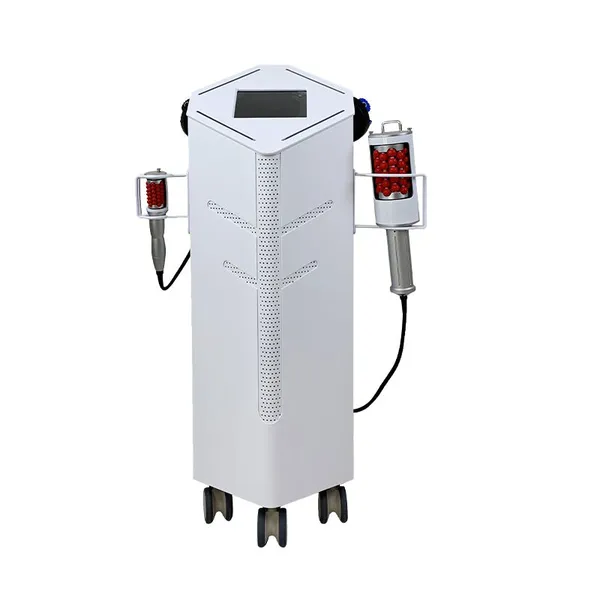
Endosphere Roller Massage Machine With 8 Massage Heads for Body Slimming TherapyUS$ 1200 - 1350MOQ: 1 Unit
-
Home Use Anti-Aging and Fat Reduction Device With Cryolipolysis Technology, CE Approved 220VUS$ 1300 - 1500MOQ: 1 Unit
-
Salon-Grade 22D Max HIFU Device With FDA Cleared Technology for Non-Invasive Ultherapy & Liposonix EffectsUS$ 700 - 800MOQ: 1 Unit
-
Multi-Technology Facial Device: HIFU, RF, and EMS for Comprehensive Anti-Aging TreatmentsUS$ 1150 - 1250MOQ: 1 Unit
-
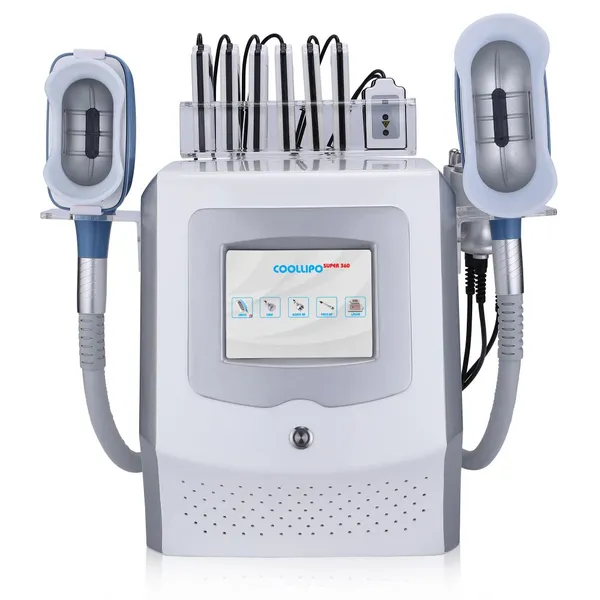
CE/FDA/ROHS Compliant Cryolipolysis Machine With 40K Cavitation & RF for Salon & Spa TreatmentsUS$ 1500 - 1700MOQ: 1 Set
-
CE Marked Cryolipolysis Fat Freezing Apparatus 220V High Cooling Power for Studio Stubborn Fat RemovalUS$ 1500 - 1700MOQ: 1 Unit
-
Latest Ai 3D Facial Scanner Skin Analysis Hair & Scalp Analyzer Salon Equipment Factory PriceUS$ 850 - 950MOQ: 1 Unit
-
Latest 22D Ultramax Hifu Machine With Three Handles for Vaginal Rejuvenation Facelift Fat RemovalUS$ 1200 - 1250MOQ: 1 Unit
-
New 2 in 1 ND YAG Laser Three Wavelengths 808nm 755nm 1064nm Diode Laser Permanent Painfree Hair Removal Tattoo Removal MachineUS$ 900 - 950MOQ: 1 Unit
-
6-in-1 Body Shaping Machine With Technical Support and One-Year Warranty for Spa BusinessUS$ 200 - 250MOQ: 1 Unit
-
Venus Legacy Skin Tightening Machine Featuring 6 Applicator Heads for Full BodyUS$ 1600 - 1650MOQ: 1 Unit
-
Onda CoolWave Therapy for Targeted Adipose Tissue ReductionUS$ 1800 - 2000MOQ: 1 Unit
-
Skin Scanner With Scalp Analyzer for Dermatology Clinics and TrainingUS$ 800 - 900MOQ: 1 Unit
-
Portable TENS EMS Russian Wave Machine for Home Use With Rechargeable BatteryUS$ 85 - 90MOQ: 1 Unit
-
Industrial-Grade Portable Fractional CO2 Laser With Adjustable Pulse Energy 100-500mJUS$ 1500 - 1800MOQ: 1 Unit
-
6-in-1 Multi-Functional Slimming Equipment for Aesthetic Clinics: RF & Cavitation & UltrasoundUS$ 200 - 250MOQ: 1 Unit
-
Portable Infrared Physiotherapy Unit for Home Use, 50W OutputUS$ 400 - 460MOQ: 1 Unit
-
Industrial Grade Pneumatic Shockwave Machine for Physical Therapy Pain ReliefUS$ 750 - 830MOQ: 1 Unit
-
Endolaser Machine for Lipolysis Featuring 980nm and 1470nm WavelengthsUS$ 1700 - 1800MOQ: 1 Unit