
 Business License

Picolaser Tattoo Removal Machine Maintenance Guide
How to Maintain a Picolaser Tattoo Removal Machine for Long-Term Performance
A picolaser tattoo removal machine is a high-value investment for aesthetic clinics, dermatology centers, and beauty equipment distributors. Proper maintenance is essential to ensure stable performance, reduce unexpected downtime, and extend the operational lifespan of professional laser equipment.
For businesses operating a pico laser tattoo removal machine, maintenance is not only a technical responsibility but also an important part of protecting revenue, customer satisfaction, and brand reputation.
This guide explains how to maintain a professional laser system, avoid common operational problems, and create a practical maintenance routine. It also answers the long-tail question: “How to maintain a picolaser tattoo removal machine to reduce downtime?”
Industry Background: Why Equipment Maintenance Matters in the Laser Beauty Industry
The aesthetic laser industry has become increasingly competitive as more clinics introduce advanced technologies to attract customers seeking professional skin and tattoo treatments.
According to Grand View Research, “Medical Aesthetics Market Size, Share & Trends Analysis Report”, market growth has been supported by increasing demand for minimally invasive aesthetic procedures and continuous innovation in energy-based devices.
As laser technology becomes more widely adopted, equipment reliability has become a key factor for business success.
For clinics and distributors, machine downtime can lead to:
Cancelled customer appointments
Reduced treatment capacity
Increased operating costs
Negative customer experiences
Additional repair expenses
A structured maintenance plan helps businesses maximize equipment availability and protect their investment.
Common Challenges When Operating a Picolaser Tattoo Removal Machine
Professional laser equipment requires proper operation and regular care. Many performance issues are caused not by product defects but by insufficient maintenance procedures.
Common challenges include:
1. Inconsistent Treatment Performance
A laser system requires stable energy output to provide reliable treatment experiences.
Potential causes may include:
Poor cleaning practices
Improper operation procedures
Lack of regular inspection
Aging components
2. Unexpected Equipment Downtime
For aesthetic clinics, every equipment failure can affect business operations.
Common reasons for downtime include:
Cooling system issues
Handpiece problems
Electrical instability
Incorrect daily operation
3. Lack of Staff Training
Even high-quality equipment requires trained operators.
Incorrect usage may lead to:
Reduced machine efficiency
Increased wear on components
Unnecessary service requirements
Professional training should always be part of equipment purchasing and implementation.
Daily Maintenance Guide for a Picolaser Tattoo Removal Machine
A simple daily routine can significantly improve equipment reliability.
Step 1: Clean the Equipment After Each Treatment Session
After completing treatments, operators should:
Clean the treatment handpiece according to manufacturer instructions
Remove dust or residue from external surfaces
Keep treatment accessories organized
Avoid using unsuitable cleaning chemicals
Maintaining cleanliness helps protect sensitive components.
Step 2: Check the Cooling System
The cooling system plays an important role in laser operation.
Operators should regularly check:
Cooling performance
Water level (for water-cooled systems)
Warning indicators
Abnormal sounds
A stable cooling system helps maintain consistent equipment performance.
Step 3: Inspect Treatment Accessories
Before operation, staff should check:
Handpiece condition
Connection cables
Protective accessories
Display functions
Early detection of minor issues can prevent larger maintenance problems.
Weekly and Monthly Maintenance Checklist
Professional clinics should establish a scheduled inspection system.
Weekly Maintenance Tasks
Recommended checks include:
Cleaning ventilation areas
Inspecting external connections
Checking machine operation records
Reviewing error messages
Monthly Maintenance Tasks
Monthly checks may include:
Reviewing system performance
Inspecting important components
Confirming software operation
Checking accessories condition
The exact maintenance schedule should always follow the manufacturer’s technical recommendations.
How to Reduce Downtime With Proper Picolaser Equipment Management
For clinics and distributors, reducing downtime requires both maintenance and supplier cooperation.
1. Choose a Reliable Manufacturer
A professional picolaser tattoo removal machine manufacturer should provide:
Technical documentation
Operation training
Troubleshooting guidance
Spare parts support
Supplier service capability directly influences long-term equipment reliability.
2. Train Operators Properly
Staff should understand:
Correct machine operation
Treatment preparation procedures
Safety requirements
Basic troubleshooting steps
Well-trained operators help prevent avoidable equipment problems.
3. Keep Spare Parts Availability in Mind
For international buyers, spare parts support is an important factor when selecting a supplier.
Distributors and clinics should confirm:
Availability of replacement components
Repair support process
Supplier response procedures
A reliable supply chain helps maintain continuous business operations.
Real Business Example: Improving Clinic Efficiency Through Preventive Maintenance
Aesthetic clinic customers often focus on purchasing advanced equipment but underestimate maintenance planning.
One overseas aesthetic center introduced a preventive maintenance schedule after experiencing occasional treatment interruptions with its laser equipment.
The clinic implemented:
Daily cleaning procedures
Operator training sessions
Monthly equipment inspections
Supplier-supported technical reviews
After improving its maintenance system, the clinic reported smoother daily operations, fewer unexpected interruptions, and better staff confidence when operating the equipment.
(Results may vary depending on equipment condition, operating environment, maintenance frequency, and service procedures.)
The experience shows that equipment performance depends not only on the machine itself but also on proper management.
How to Maintain a Picolaser Tattoo Removal Machine to Reduce Downtime: A Practical Workflow
For professional users, the following workflow can help:
Before Treatment
Check system startup
Confirm cooling function
Inspect handpiece condition
Verify treatment settings
During Treatment
Follow recommended operating procedures
Monitor machine indicators
Avoid unnecessary stress on components
After Treatment
Clean equipment properly
Record operational information
Report unusual conditions early
This simple process helps clinics maintain consistent service quality.
FAQ: Common Questions From B2B Buyers
Q1: How often should a picolaser tattoo removal machine be serviced?
The service schedule depends on the machine model, usage frequency, and manufacturer recommendations. Professional clinics should follow a preventive maintenance plan rather than waiting for equipment failure.
Q2: Does a manufacturer provide maintenance training for distributors?
Many professional laser equipment manufacturers provide training materials, operation guidance, and technical support to help distributors and clinics use equipment correctly.
Q3: How can buyers reduce maintenance costs after purchasing a pico laser system?
Buyers can reduce long-term costs by:
Selecting reliable equipment suppliers
Training operators properly
Following maintenance procedures
Confirming spare parts availability before purchase
Conclusion: Maintenance Is the Key to Maximizing Your Laser Equipment Investment
A picolaser tattoo removal machine represents a significant investment for aesthetic businesses. Proper maintenance helps protect equipment performance, reduce downtime, and improve customer service quality.
For clinics, distributors, and private-label beauty equipment brands, choosing a reliable pico laser tattoo removal equipment supplier is just as important as selecting the right technology.
A professional supplier with strong manufacturing capability, technical support, and long-term cooperation experience can help businesses operate confidently and achieve sustainable growth in the competitive aesthetic market.
Recently Posted
-
Diode Laser Hair Removal vs IPL: Which Is Better for Salons?
August 4, 2026Diode Laser Hair Removal vs IPL: Which Technology Is Better for Professional Salons?Choosing between a diode laser hair removal ma Read More
 -
Beauty Equipment Certification Guide for International Buyers
August 4, 2026Beauty Equipment Certification Guide: What International Buyers Need to Know Before Importing Aesthetic MachinesWhen purchasing pr Read More
 -
How to Import Beauty Machines From China: A Complete Guide for Global Buyers
August 4, 2026How to Import Beauty Machines From China: A Complete Guide for Global BuyersImporting beauty machines from China has become a popu Read More
 -
Top 5 Questions to Ask Before Buying a Picolaser Tattoo Removal Machine
July 30, 20265 Questions to Ask Before Buying a Picolaser Tattoo Removal MachinePurchasing a picolaser tattoo removal machine is a major invest Read More

Contact Us
Recommended Products
-
 Customizable Cavitation RF Lipolaser Radio Frequency Slimming Machine With OEM OptionsUS$ 200 - 230MOQ: 1 Unit
 -
Endosphere Roller Massage Machine With 8 Massage Heads for Body Slimming TherapyUS$ 1200 - 1350MOQ: 1 Unit
-
Home Use Anti-Aging and Fat Reduction Device With Cryolipolysis Technology, CE Approved 220VUS$ 1300 - 1500MOQ: 1 Unit
-
Salon-Grade 22D Max HIFU Device With FDA Cleared Technology for Non-Invasive Ultherapy & Liposonix EffectsUS$ 700 - 800MOQ: 1 Unit
-
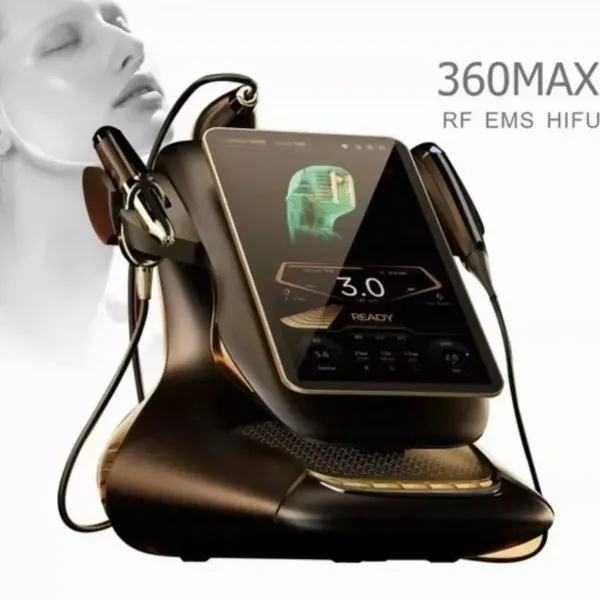
Multi-Technology Facial Device: HIFU, RF, and EMS for Comprehensive Anti-Aging TreatmentsUS$ 1150 - 1250MOQ: 1 Unit
-
CE/FDA/ROHS Compliant Cryolipolysis Machine With 40K Cavitation & RF for Salon & Spa TreatmentsUS$ 1500 - 1700MOQ: 1 Set
-
CE Marked Cryolipolysis Fat Freezing Apparatus 220V High Cooling Power for Studio Stubborn Fat RemovalUS$ 1500 - 1700MOQ: 1 Unit
-
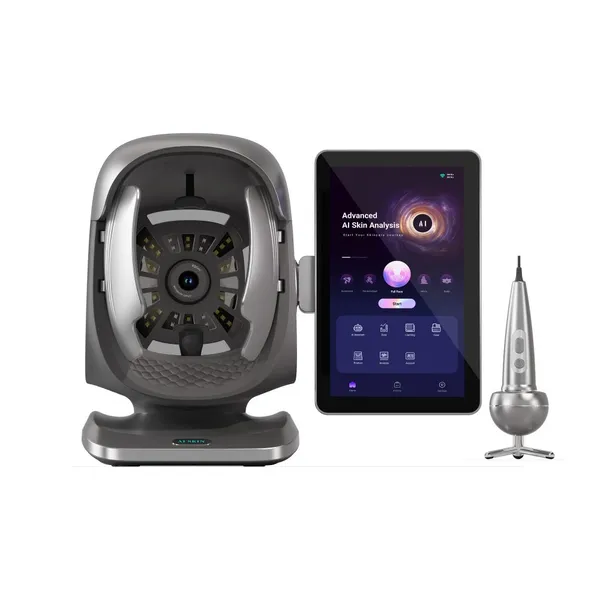
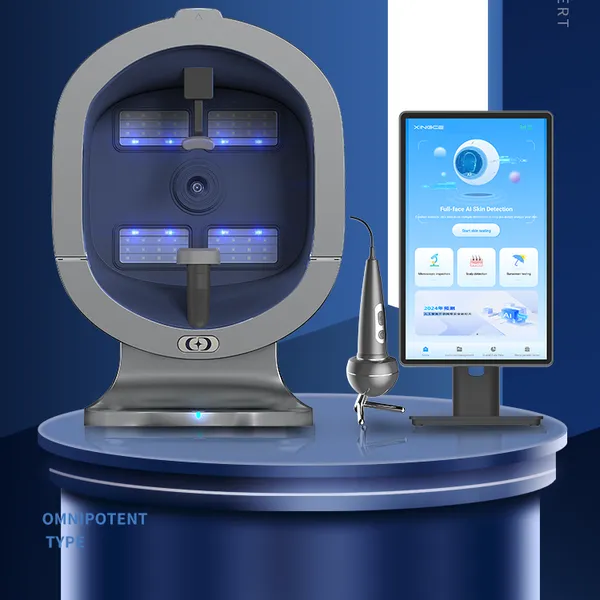
Latest Ai 3D Facial Scanner Skin Analysis Hair & Scalp Analyzer Salon Equipment Factory PriceUS$ 850 - 950MOQ: 1 Unit
-
Latest 22D Ultramax Hifu Machine With Three Handles for Vaginal Rejuvenation Facelift Fat RemovalUS$ 1200 - 1250MOQ: 1 Unit
-
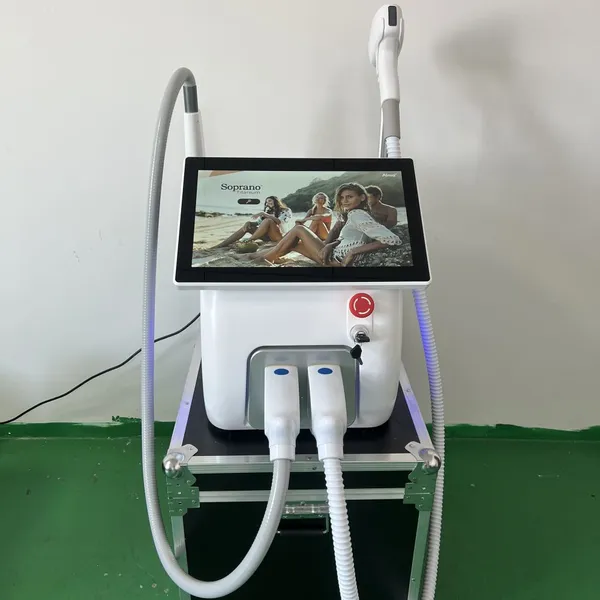
New 2 in 1 ND YAG Laser Three Wavelengths 808nm 755nm 1064nm Diode Laser Permanent Painfree Hair Removal Tattoo Removal MachineUS$ 900 - 950MOQ: 1 Unit
-
6-in-1 Body Shaping Machine With Technical Support and One-Year Warranty for Spa BusinessUS$ 200 - 250MOQ: 1 Unit
-
Venus Legacy Skin Tightening Machine Featuring 6 Applicator Heads for Full BodyUS$ 1600 - 1650MOQ: 1 Unit
-
Onda CoolWave Therapy for Targeted Adipose Tissue ReductionUS$ 1800 - 2000MOQ: 1 Unit
-
Skin Scanner With Scalp Analyzer for Dermatology Clinics and TrainingUS$ 800 - 900MOQ: 1 Unit
-
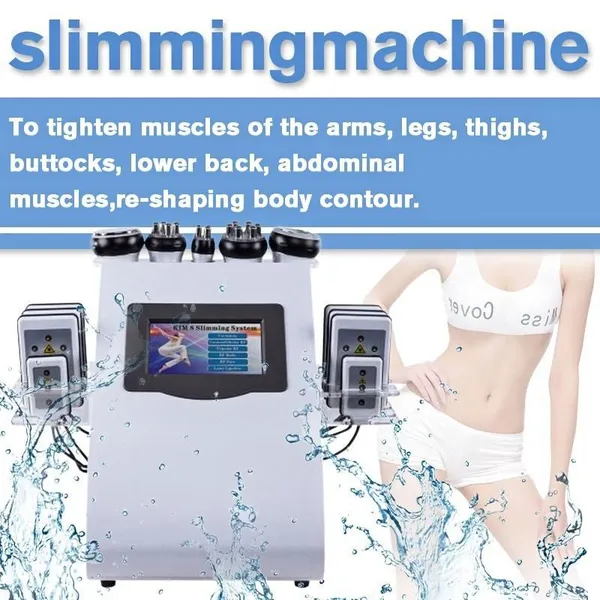
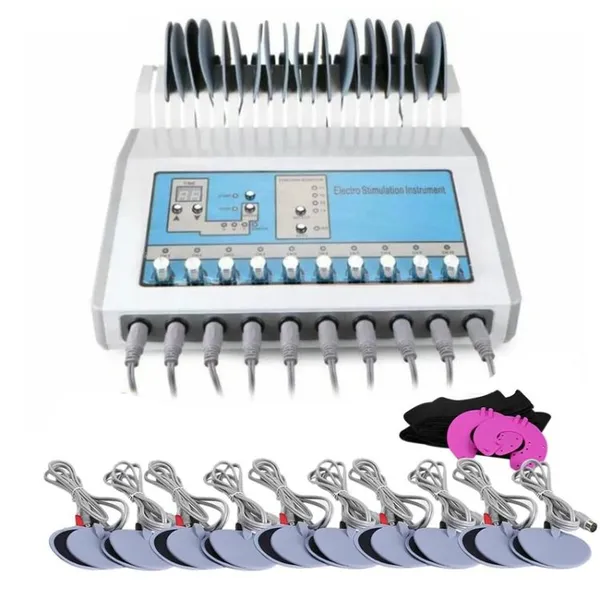
Portable TENS EMS Russian Wave Machine for Home Use With Rechargeable BatteryUS$ 85 - 90MOQ: 1 Unit
-
Industrial-Grade Portable Fractional CO2 Laser With Adjustable Pulse Energy 100-500mJUS$ 1500 - 1800MOQ: 1 Unit
-
6-in-1 Multi-Functional Slimming Equipment for Aesthetic Clinics: RF & Cavitation & UltrasoundUS$ 200 - 250MOQ: 1 Unit
-
Portable Infrared Physiotherapy Unit for Home Use, 50W OutputUS$ 400 - 460MOQ: 1 Unit
-
Industrial Grade Pneumatic Shockwave Machine for Physical Therapy Pain ReliefUS$ 750 - 830MOQ: 1 Unit
-
Endolaser Machine for Lipolysis Featuring 980nm and 1470nm WavelengthsUS$ 1700 - 1800MOQ: 1 Unit